YouMind
Sign in

A thought worth sharing. A conversation worth starting.

Turn notes, discoveries and everyday observations into X posts, threads and images. Find a clear opening, develop your point and keep your own voice.

What are you sharing today?

A quick thought, a story in parts, or something worth a closer look.

Short posts

Give an observation, product update or small discovery a clear opening and a point people can respond to.

Start creating

Threads

Break a guide or story into connected posts. Give each one a purpose, from the opening to the final takeaway.

Start creating

Long-form posts

Develop an idea with context, examples and sources. Shape the structure before polishing the opening.

Start creating

Image posts

Turn a point into a visual, or give a photo a thoughtful caption. Let the words and the image work together.

Start creating

Creation walkthrough

A quieter desk. A story worth sharing.

Start with a few observations, turn them into a connected thread, and create images that make the idea tangible. Scroll to follow the process.

A quieter desk · Field notes

An example brief for a creator sharing a desk reset. The aim is to show a few small choices, not to promise a perfect productivity system.

Start with what is in front of you

A notebook, loose cables and several unfinished tasks all compete for space. The starting question: which things actually need to stay within reach?

Keep the story concrete

Keep the current task visible, put occasional tools in a tray, and reset the space when you finish. Use photos or notes to show each choice.

The post should invite people to share their own habits. Do not invent productivity numbers or results.

01 / 03

A quieter desk · Field notes

An example brief for a creator sharing a desk reset. The aim is to show a few small choices, not to promise a perfect productivity system.

A quieter desk · Field notesDocument

Help me find an angle for an X thread from these desk-reset notes. Keep it personal and concrete. Do not invent results or productivity statistics.

The angle could be fewer decisions, rather than more storage. Each step gives the reader something concrete to try or discuss.

My desk did not need more storage. It needed fewer decisions.

1/ I started with a smaller question: what do I actually use while working? That made it easier to decide what should stay in front of me.

2/ Give the rest a place to go.

A tray for the occasional tools. A drawer for the next task. The goal is a space that supports what you are doing now, not a desk that looks untouched.

3/ Before leaving, make tomorrow easy to start. What is one thing you always keep on your desk?

02 / 03

My desk did not need more storage. It needed fewer decisions.

Break a guide or story into connected posts. Give each one a purpose, from the opening to the final takeaway.

A quieter desk · Field notesDocument

Turn this idea into a three-post X thread. Open with a clear observation, explain the small choices, and end with a genuine question. Keep each part readable on its own.

  1. A quieter desk · Field notes
  2. My desk did not need more storage. It needed fewer decisions.
  3. Done

The draft connects a clear opening, a practical detail and an invitation to respond. Review the wording and adjust it to your own experience before sharing.

My desk did not need more storage. It needed fewer decisions.

1/ I started with a smaller question: what do I actually use while working? That made it easier to decide what should stay in front of me.

3/ Before leaving, make tomorrow easy to start. What is one thing you always keep on your desk?

03 / 03

Make the steps visible.

Three images follow the same thread: clear the space, keep what you use, and reset before leaving.

My desk did not need more storage. It needed fewer decisions.Document

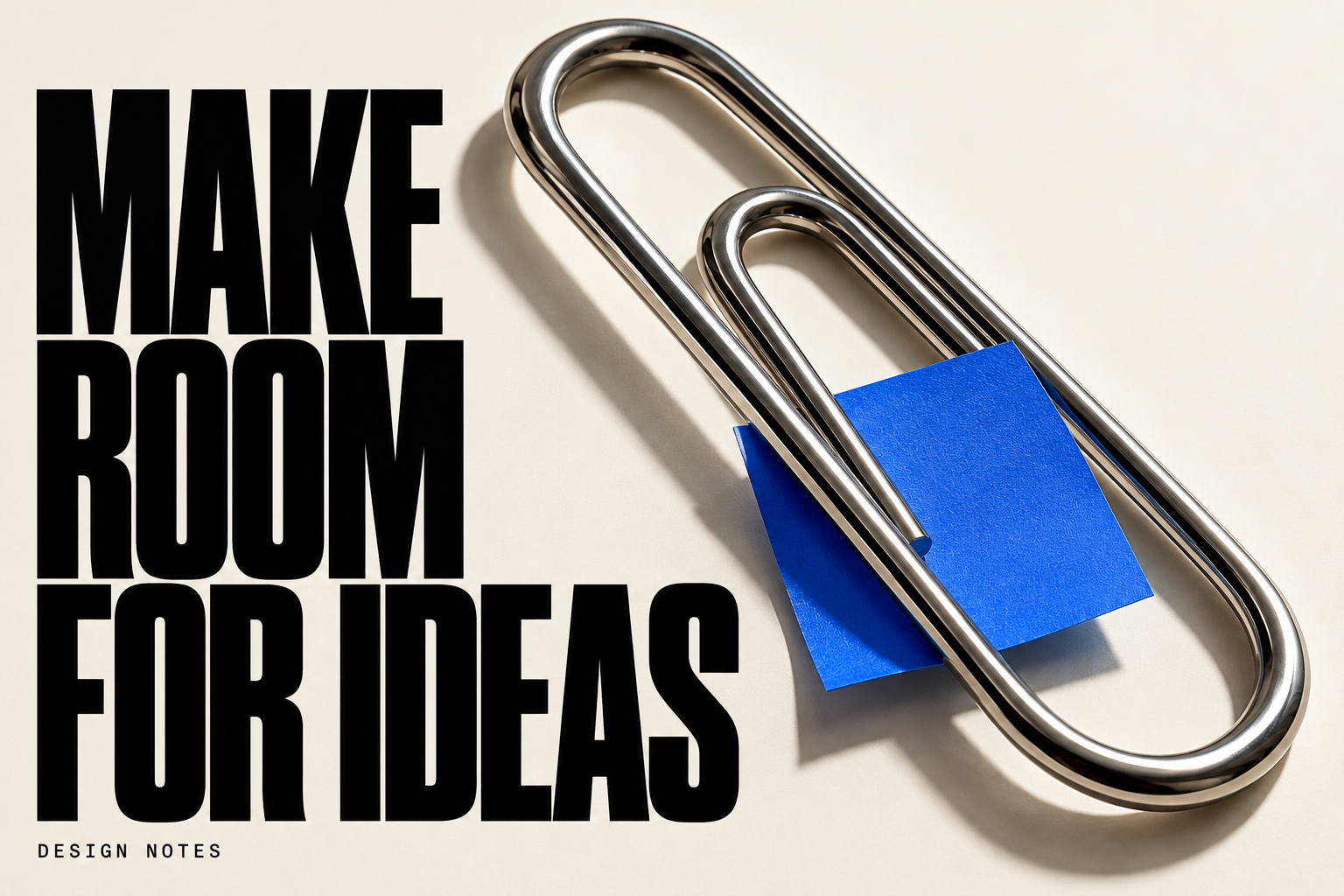
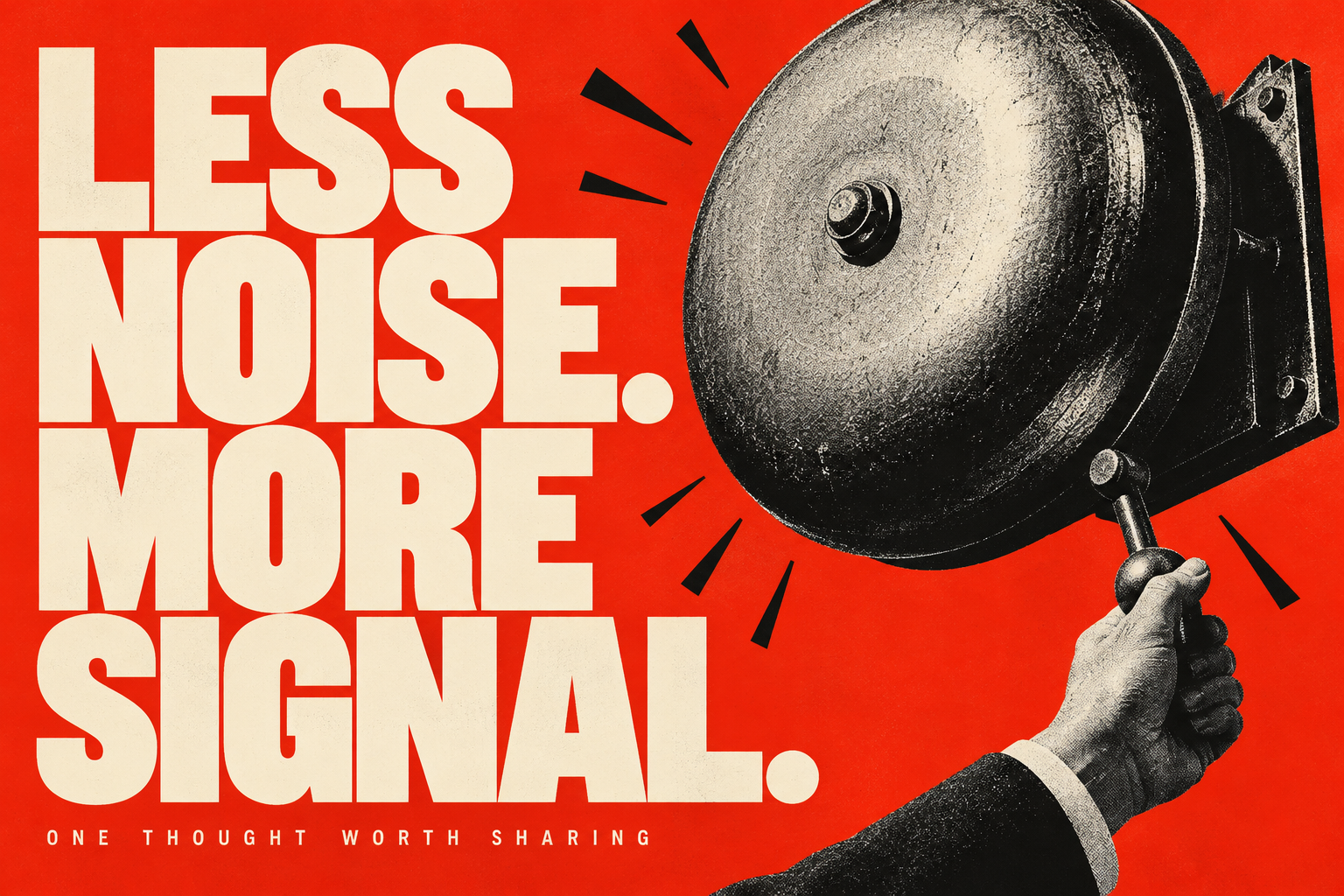
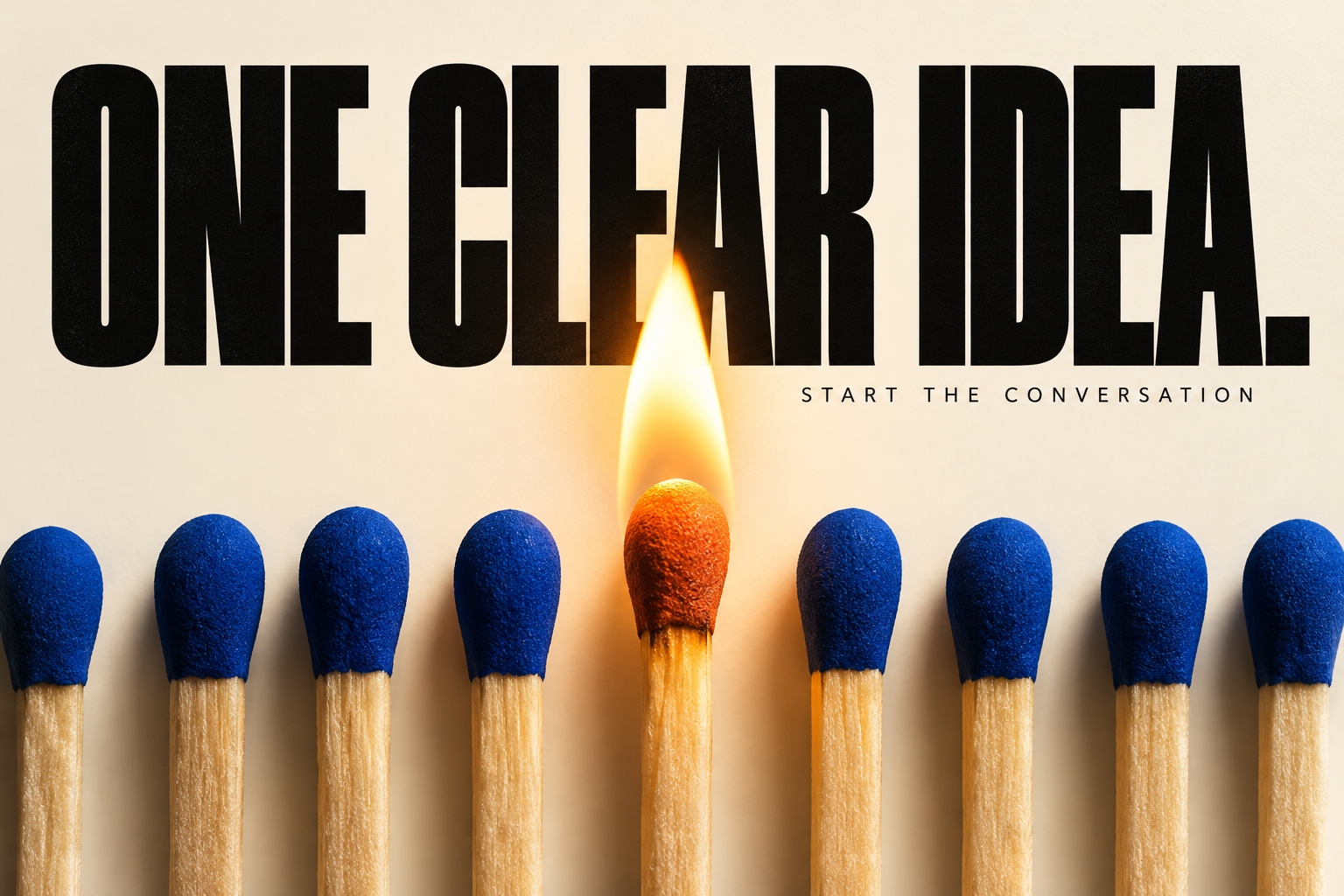
Create three landscape images for this thread: a quieter desk, a tray of everyday tools, and a reset for tomorrow. Use cobalt, cream and orange, with short readable English headlines.

  1. My desk did not need more storage. It needed fewer decisions.
  2. Make the steps visible.
  3. Done

The three visuals share a palette and a simple headline treatment. Check the text and framing, then download the images and attach them to the appropriate posts on X.

Explore X creation Skills

Find a skill for the post, thread or visual you want to create.

Loading…

Keep the idea going.

Frequently asked questions

Can I start with just an idea?
Yes. Describe your point, your audience and the format you want. Add a personal observation or example to give the draft something specific to work with.
Can I turn an article or video into posts?
Add the source to YouMind, choose the idea you want to discuss and ask for a post or thread. Check quotes and source details, and add your own perspective before publishing.
Will it still sound like me?
Share examples of your writing and describe the tone you want. Ask for shorter sentences, a more direct opening or a specific example, then edit the final wording yourself.
How do I turn a long idea into a thread?
Start with a takeaway, divide the explanation into connected points and give each post one job. Review the sequence, remove repetition and copy the finished parts into X.
Can I prepare longer posts or Articles?
Yes. YouMind can help develop an outline, draft and matching cover. The publishing format and length available to you depend on your X account; check the X editor before posting.
Can I create images to go with the text?
Yes. Use the draft to plan an image, provide a visual reference and refine the result. Check the words inside the image and its crop before downloading it.
Can I write for audiences in other languages?
Tell YouMind the language and audience. Adapt the examples and phrasing as well as the words, and review names, terminology and image text before sharing.
Does YouMind publish or schedule posts on X?
This workflow helps you prepare and review the content. Copy the text and download the images, then publish or schedule them using the tools available in your X account.

Learn deeper. Create bolder.