Start with the material that matters
Use relevant notes and documents as the basis for writing or analysis. Distinguish source evidence from your instructions, and ask for uncertainty to stay visible when the material does not support a conclusion.
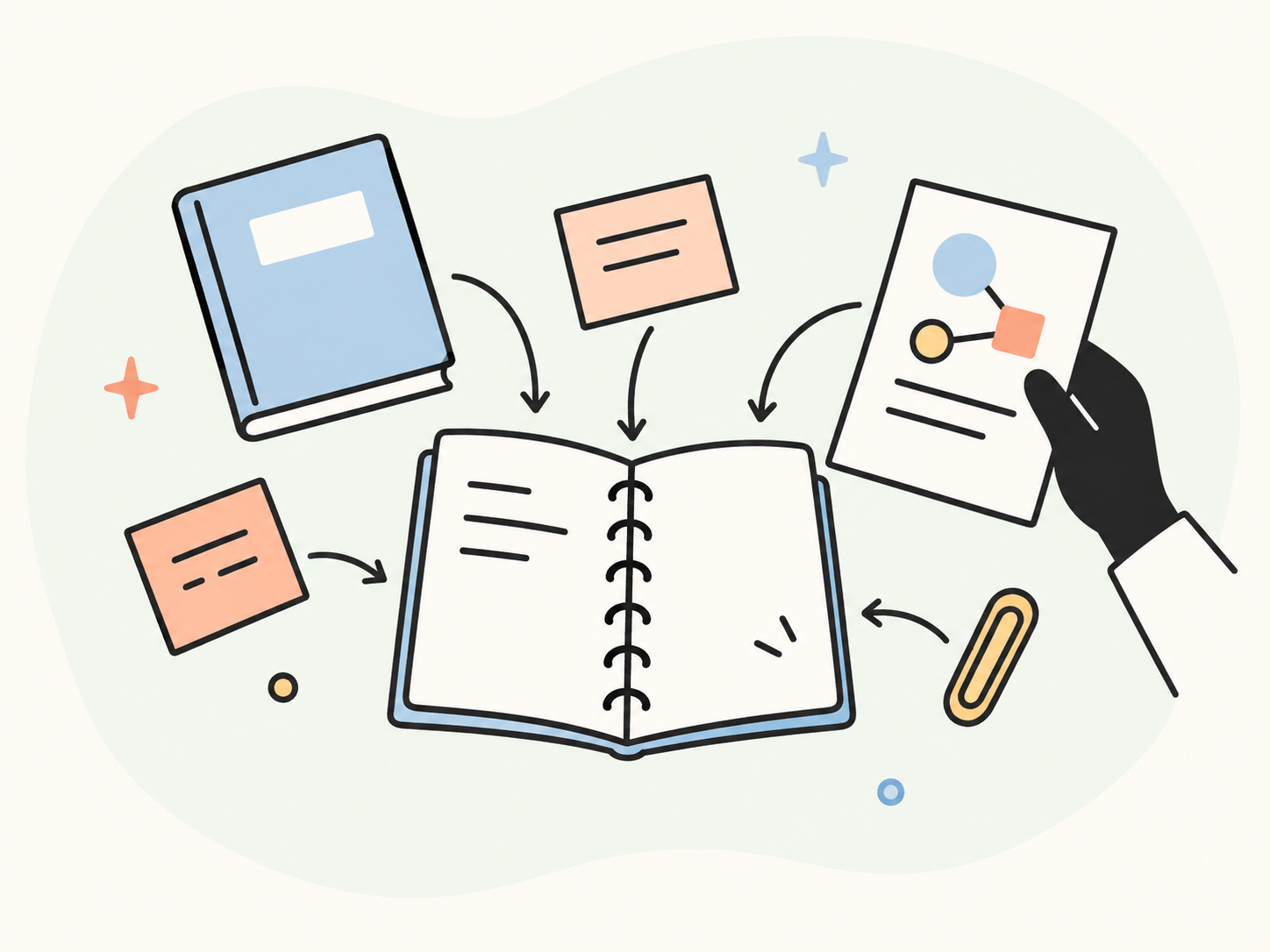
Turn ideas and source material into work you can use. Develop an article, reason through a decision, build a webpage or explore motion in code, then refine the result in conversation.
Give the task a foundation, choose a useful output and refine it with specific feedback.
Use relevant notes and documents as the basis for writing or analysis. Distinguish source evidence from your instructions, and ask for uncertainty to stay visible when the material does not support a conclusion.
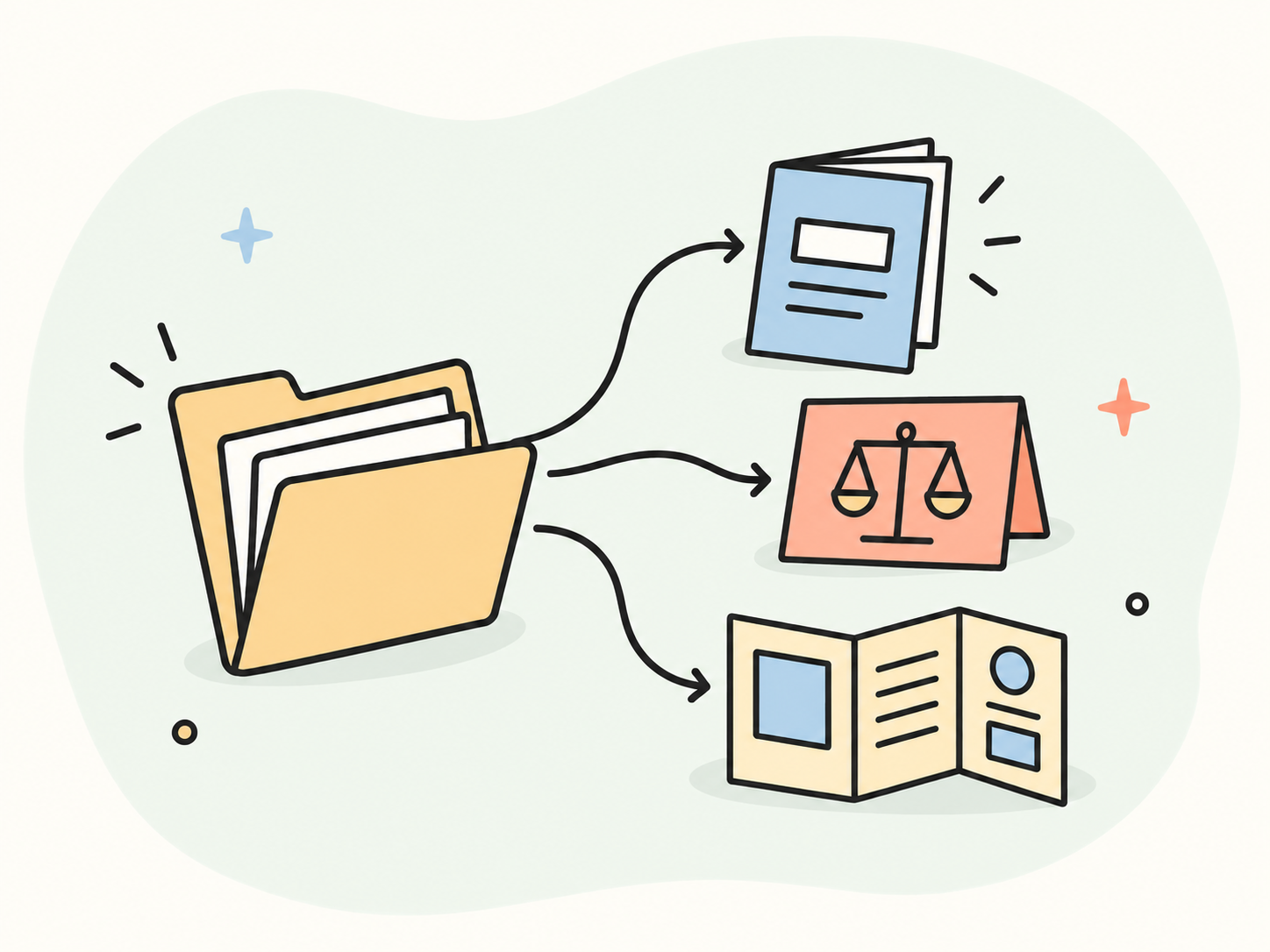
An article explains an idea, a decision brief weighs options and a webpage makes a concept usable. Ask for the output you actually need and name the parts that will make it useful to the next reader.
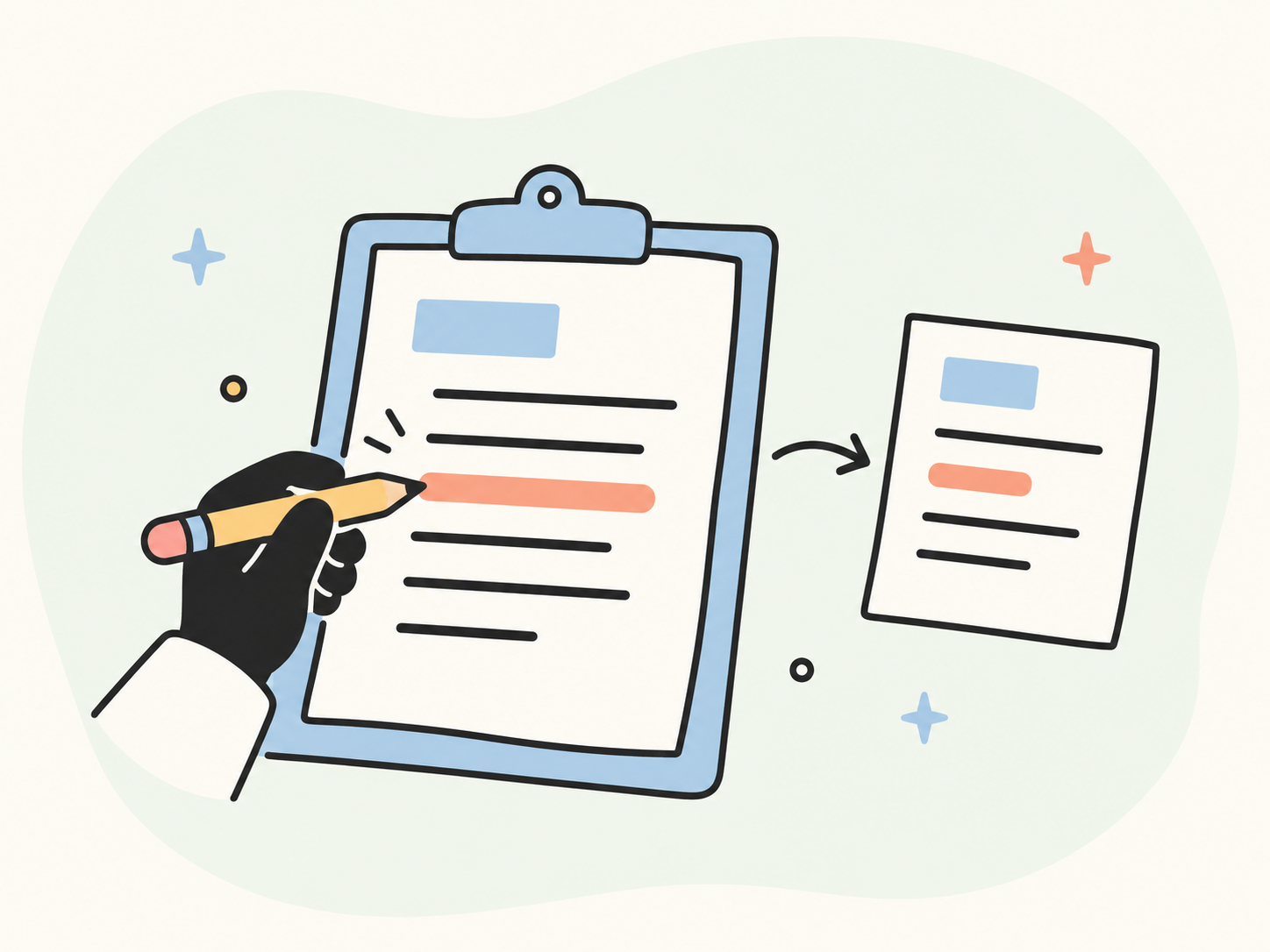
Ask for a shorter argument, a clearer structure or a different interaction. Explain what should stay as well as what should change so each revision moves the same piece of work forward.
Describe what you want to make, who it is for and what a useful result should contain. Include the purpose and constraints in your starting brief.
Choose Try in YouMind to open the task with this model and your brief. Add the notes or documents you need there, then ask for a specific deliverable such as an article, decision brief or webpage.
Read the argument, check the sources or open the rendered artifact. Give feedback on a specific part, then verify the revised work before sharing it.
Explore related workflows for articles, webpages, presentations and motion design.
Both models support writing, analysis and coding with text and image input. Compare Anthropic's stated focus and response categories; context figures are API limits.
Scroll horizontally to compare all models