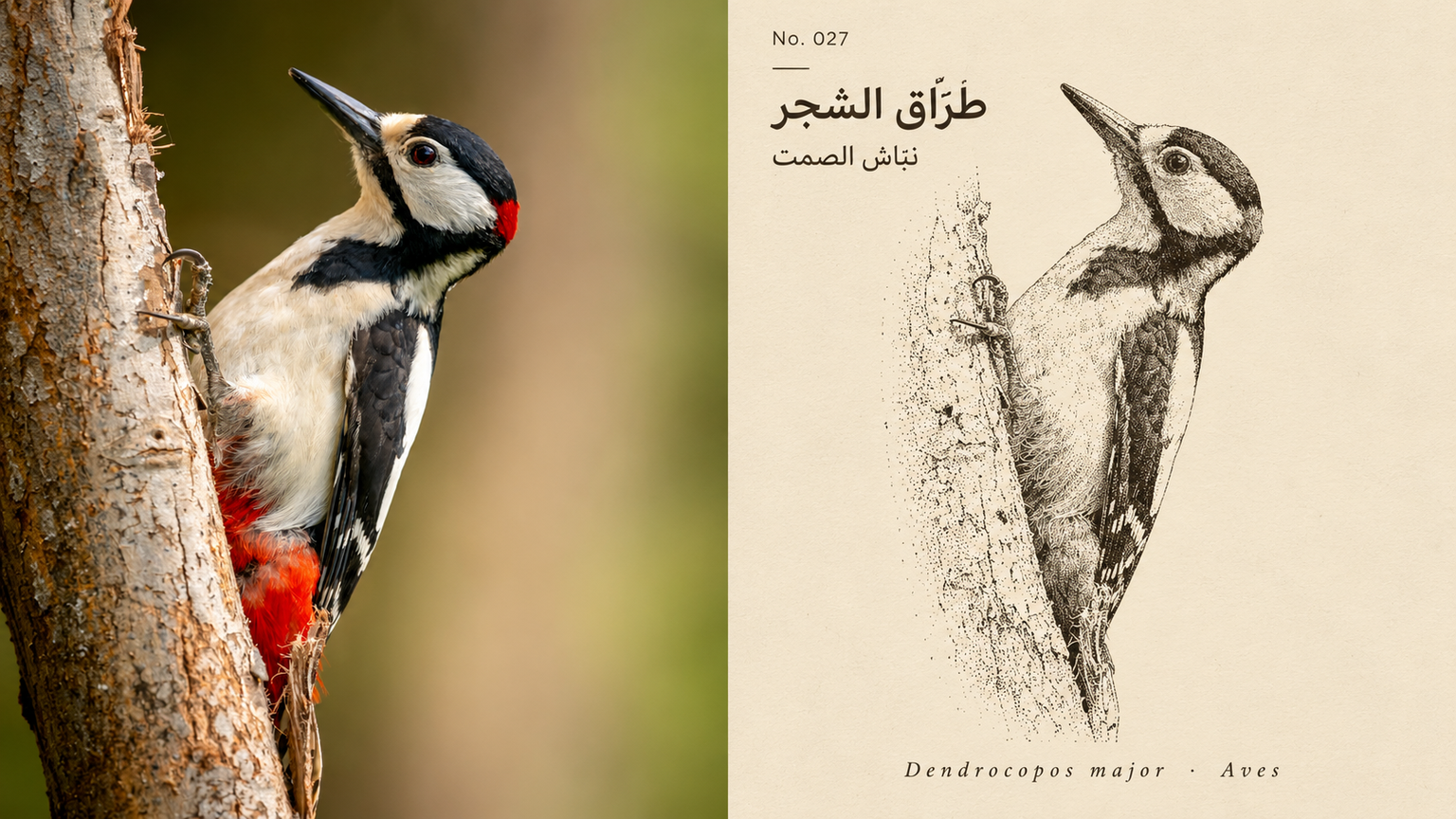
Ink Dot Specimen
By xiaoxiaodong
Ink Dot Specimen
By xiaoxiaodong
Showcase
Description
Perfect for placing your photo subject inside a vintage natural history encyclopedia. The top half shows the original photo; the bottom half transforms the subject into a recognizable side specimen pose, rendered entirely with near-black ink dots. The shaded areas are dense enough to nearly merge, while lit areas are left blank without a single continuous solid line. The dots are nearly uniform in size with a handcrafted uneven arrangement, and the subject is placed diagonally across a lightened background derived from the photo, with no color other than black ink. The text follows encyclopedia entries: a small code and common names in two languages in the upper left, and a line of italicized serif Latin-style scientific names at the bottom, hiding a touch of humor within seriousness. Avoid photos that rely on color or frontal expressions to be recognizable, whole streets, multi-person scenes, as well as color realism, gray washes, line drawing outlines, and neat halftone dots.
Recommended by
Dancang
Why we love this skill
Using your photo as the sole inspiration, this Skill reconstructs the subject into a restrained, precise monochrome stippled specimen plate. Diagonal composition, negative space, and bilingual labels create an authentic specimen board aesthetic that captures form and lighting through dot density.
Best for
Great for content creators who want to turn photo subjects into vintage natural history illustration styles.
How to use this Skill
Provide your input
Provide a photo or an image catalog.
Run the Skill
Transforms the photo subject into a vintage natural history encyclopedia style side specimen layout made of monochrome near-black ink dots, accompanied by concise entry text.
Review your result
Receive a completed PNG illustration.
Related Skills
View all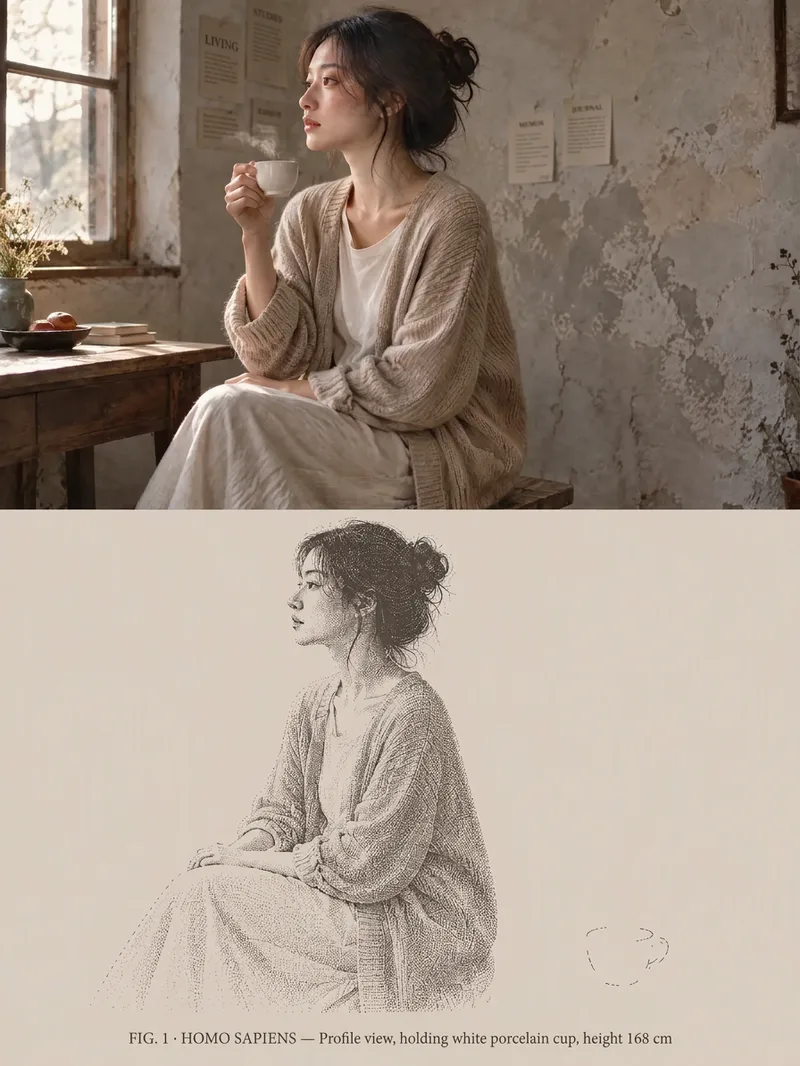 Image
Photo to Stippled Specimen
Transforms a photo into a 3:4 vertical split-section guide page: the upper half preserves the original photo with very light color grading, keeping the subject uncropped and undistorted. The lower half places the same subject into an antique natural history specimen book, rendered in a strictly side-profile stippled pose built entirely from uniform dark ink dots that cluster densely in shadows and space out along highlights with no continuous solid lines. A companion object is outlined with broken dotted lines, set against a light solid background derived from the photo, finished with a tiny serif catalog entry at the bottom. Suitable for portraits, pets, and still lifes requiring a restrained, minimalist specimen look with generous whitespace.
 Image
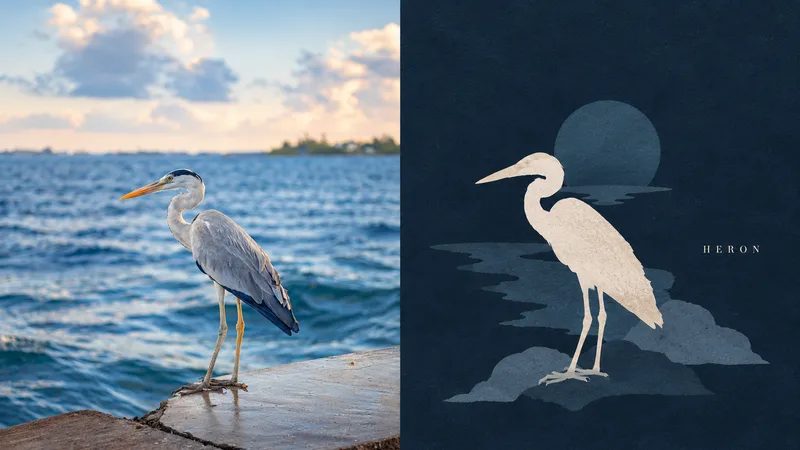
Dark Silhouette by xiaoxiaodong
Ideal for turning a main subject and a few nearby items into a dark-background silhouette still life. The top half shows the original photo; the bottom half converts them into front-facing or profile flat silhouettes with no outlines and almost no internal details, staggered in height and overlapping in a cluster like quiet objects on a tabletop. The background color deepens the darkest tone of the photo, and the silhouettes are rendered as low-saturation pink-gray blocks with only one accent brightened to near warm white as if illuminated. The entire surface features fine, dry-gouache-like textures. The silhouette group leans slightly to one side, leaving empty space on the other side featuring a slender serif uppercase word. Avoid photos requiring perspective, 3D lighting, or clear facial features, as well as entire streets, full rooms, bright backgrounds, pure black backgrounds, gradients, outlines, and high-saturation colors.
 Image
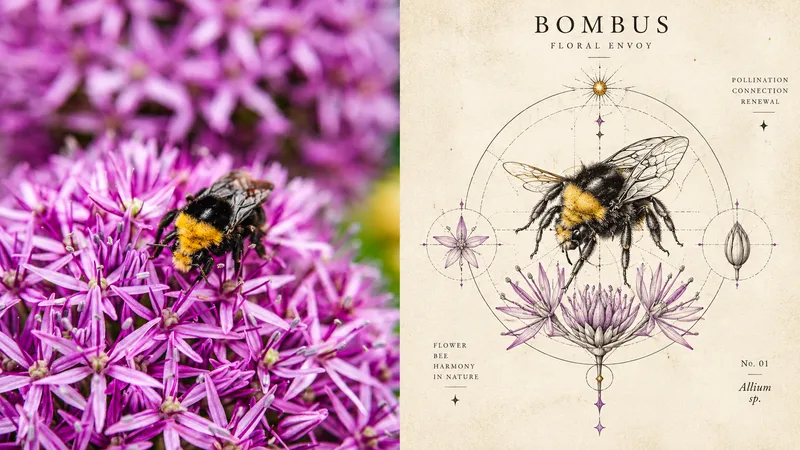
Archive Emblem | xiaoxiaodong P288
Turn an ordinary photo into the small imprint beside a museum collection number. The upper half shows the original image; the lower half keeps only an outline, a set of structural relationships, and one memorable detail, rendered in fine-pen engraved lines on warm ivory or parchment tones, with an optional halo or axis. Use warm ivory, parchment, ochre, dark brown, and ink black as the main colors. Cobalt blue, vermilion, or teal should appear only as very limited research markings. Let the lettering feel like an index from an old book or a museum label. Avoid pages filled with handwriting, commercial icons, tech interfaces, cartoons, and complete photorealism.
Information
- Version
- v3
- Last updated
- Runtime credits
- Usage-based
- Models
- Auto
- Use cases
- Images & design
- What you get
- Image
- Visual styles
- Black and whitePrintmaking