
Photo to Stippled Specimen
Turn a photo into a dual-section natural history guide
Photo to Stippled Specimen
Turn a photo into a dual-section natural history guide
Showcase
Description
Transforms a photo into a 3:4 vertical split-section guide page: the upper half preserves the original photo with very light color grading, keeping the subject uncropped and undistorted. The lower half places the same subject into an antique natural history specimen book, rendered in a strictly side-profile stippled pose built entirely from uniform dark ink dots that cluster densely in shadows and space out along highlights with no continuous solid lines. A companion object is outlined with broken dotted lines, set against a light solid background derived from the photo, finished with a tiny serif catalog entry at the bottom. Suitable for portraits, pets, and still lifes requiring a restrained, minimalist specimen look with generous whitespace.
Recommended by
Dancang
Why we love this skill
Rigorously translates a photo into a split-half natural history specimen page: the top preserves the original, and the bottom reconstructs the same subject using uniform monochrome stippling. Its uniqueness lies in the strict review of profile poses, negative space, broken dotted lines, and caption text, balancing retro plate-making logic with portrait recognition.
Related Skills
View all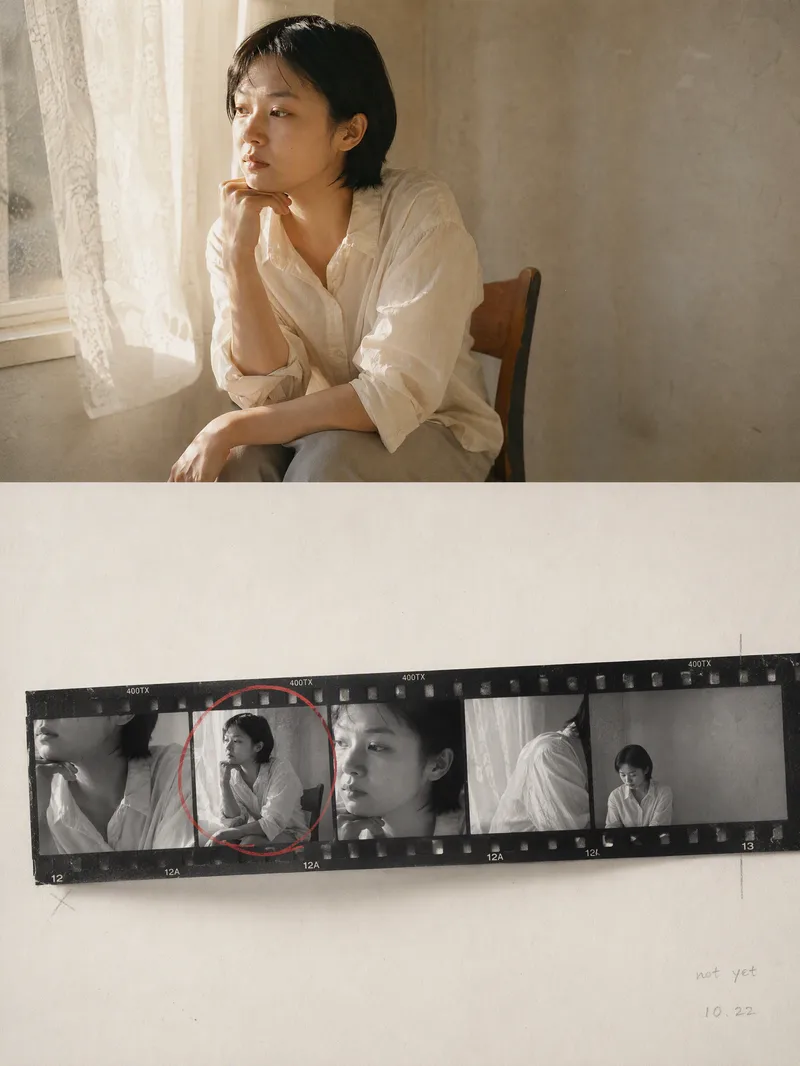 Image
Contact Sheet Poster
Transform one or more photos into contact sheet posters with a darkroom storytelling feel: each photo becomes an independent layout without collage. The top half preserves the original subjects, poses, clothing, settings, lighting, and colors with only subtle darkroom texture adjustments. The bottom half uses a warm white silver halide photo paper background with continuous black-and-white negative frames from the moments right before and after, revealing the documentary process leading up to the final shot. The negative strips expand around the original photo with close-ups, near-final compositions, slightly out-of-focus gazes, empty transition shots, and wide environmental views, with a single red wax pencil circling the best-matched frame. The overall style features silver-halide black, charcoal gray, warm gray, and paper white, complemented by realistic film bases, sprocket holes, grain, paper fibers, and minimalist handwritten frame numbers, avoiding templated collages and unnecessary decoration. Great for portraits, indoor documentaries, lifestyle photography, and storytelling single photos. You can replace characters, scenes, handwritten words, and dates, or request a two-strip negative structure. Multiple photos are processed sequentially into independent posters, complete with layout logic, selected frame notes, and adjustable elements.
 Image
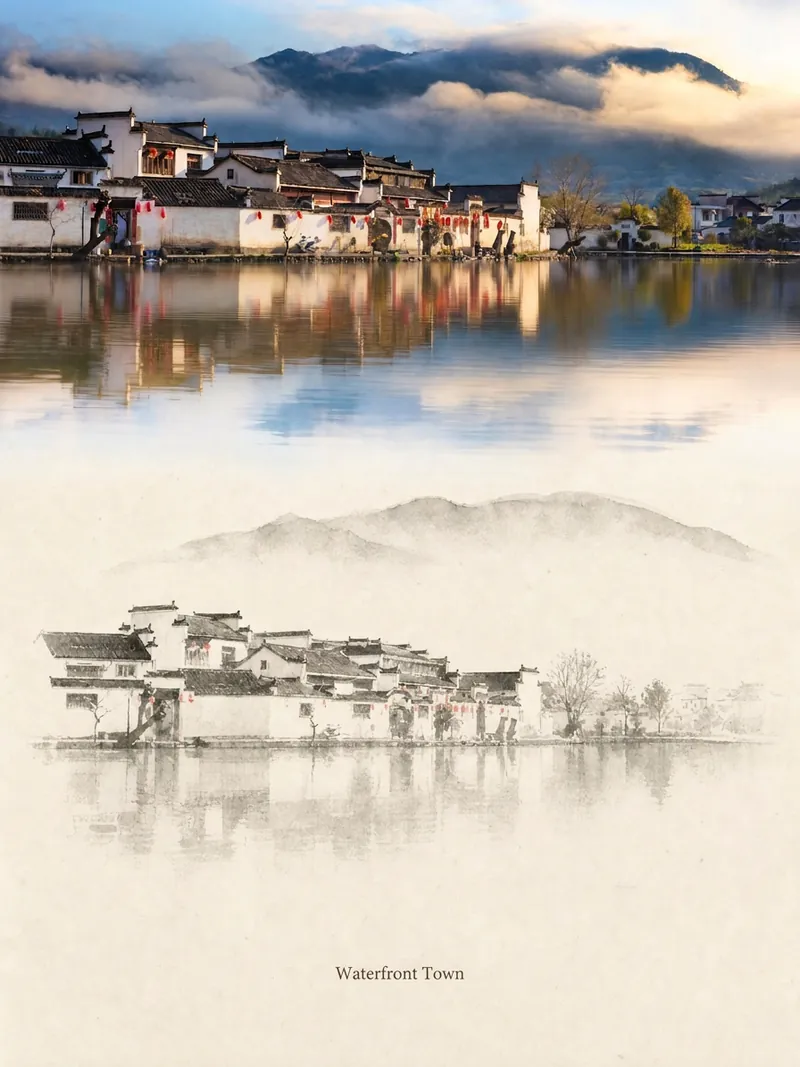
Relic Art
Transform a real photo into a vertical "relic art" poster that blends documentary value with artistic expression: the upper part keeps the original photograph untouched, while the lower part uses warm paper or restrained light and shadow to compress a memory-derived graphic from the image. It's not a typical illustration or decorative poster; instead, it uses sparse ink blocks, softened edges, white-space cuts, and sparse lines to distill architectural, urban, water, road, human-scale, horizon, and light-shadow relationships, so the subject remains recognizable even in thumbnails. The overall feel is quiet, restrained, and like a modern print. Colors are taken from the source photo, primarily deep blue, ink black, gray-green, stone, or low-saturation warm tones, with a small warm accent added when fitting. The title is kept very small, poetic, and similar to an exhibition label, never overwhelming. This is suitable for minimalist art posters, photographic relic series, architectural and urban image posters, abstract editorial photography, gallery-style photo covers, and visual series for mobile platforms like Douyin. The final output preserves the authentic content of the original photo while adding a consistent "memory imprint" below, giving each photo its own mood and an expandable visual identity.
 Image
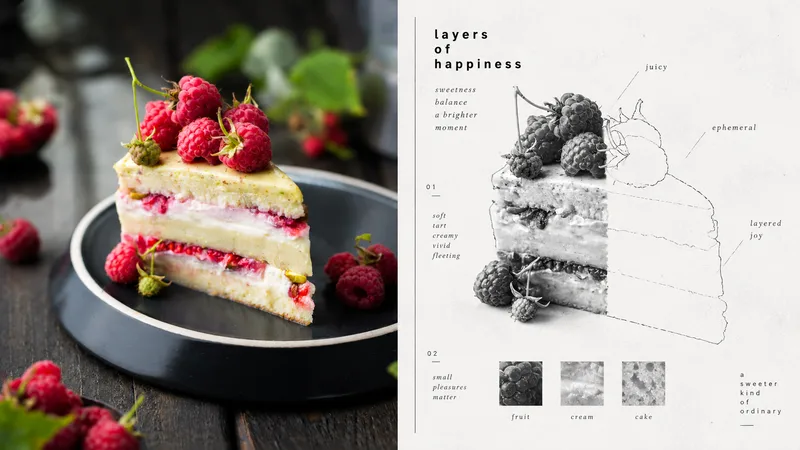
GPT2 x Specimen Poetics Atlas
Ideal for turning an object into a poetic classification page styled like a museum publication: visual research, exhibition catalogs, and concept posters. The image shows only a precise black-and-white photograph of part of the subject; the missing portion is completed with a large area of untouched blank space and a fragile, imperfect hand-drawn outline. A few square material samples serve as evidence. Feeling words label intangible qualities, not anatomical details. Extreme negative space, restrained asymmetry, small, coarse lowercase sans serif type, a fine border line, black-and-white photographic grain, and slight printing errors. Quiet, cerebral, gentle, archival. Avoid full-color illustrations, dense catalog grids, cute stickers, smooth vector graphics, and explanatory infographics. The original is in English and is preserved verbatim in zh-CN.md.
Information
- Version
- v2
- Last updated
- Runtime credits
- Usage-based
- Models
- Auto
- Use cases
- Images & design
- What you get
- Image
- Visual styles
- MinimalistPrintmaking