Organize research evidence
Give Claude Fable 5.1 labeled source excerpts and a research question. Ask it to group claims, evidence and disagreements, then examine whether different conditions explain conflicting findings.
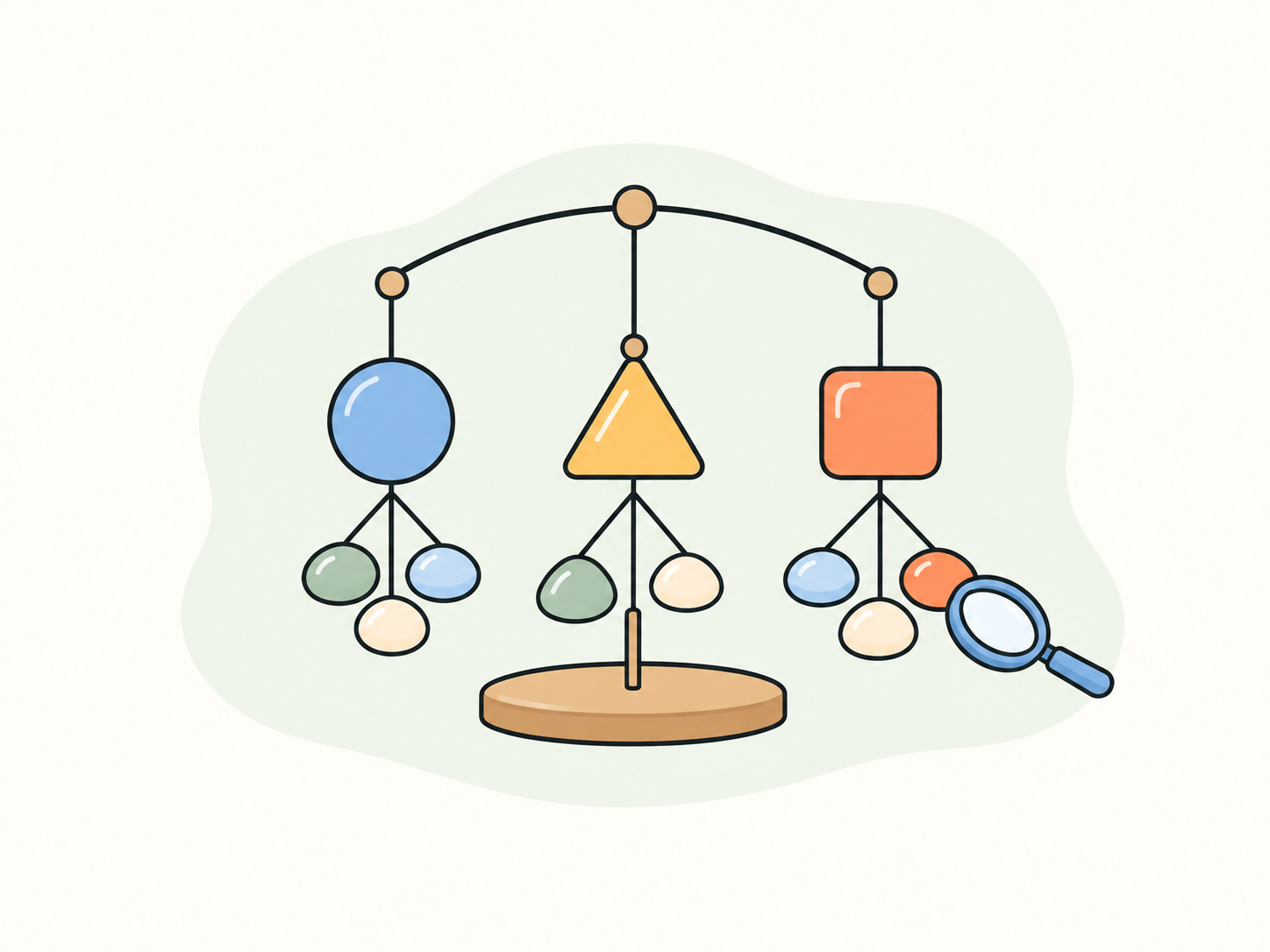
Bring research excerpts, code, logs or diagrams to Claude Fable 5.1. Connect the evidence, investigate possible causes and turn a complex question into a workable plan.
Claude Fable 5.1 offers a 1M-token context for substantial source material, conversation and task background. Bring related arguments together to explore connections, disagreements and gaps in the evidence.
Claude Fable 5.1 has a maximum output budget of 128K tokens, leaving room for extended arguments, code explanations and sectioned reports. Start with the structure, then develop the parts that need detail.
Claude Fable 5.1 accepts text and images and produces text. Include a chart, interface screenshot or process diagram to explain relationships, discuss a design or add context that is hard to describe in words.
Give Claude Fable 5.1 labeled source excerpts and a research question. Ask it to group claims, evidence and disagreements, then examine whether different conditions explain conflicting findings.
Provide code, logs, expected behavior and recent changes. Ask Claude to list possible causes and a check for each, turning a vague failure into smaller questions you can test.
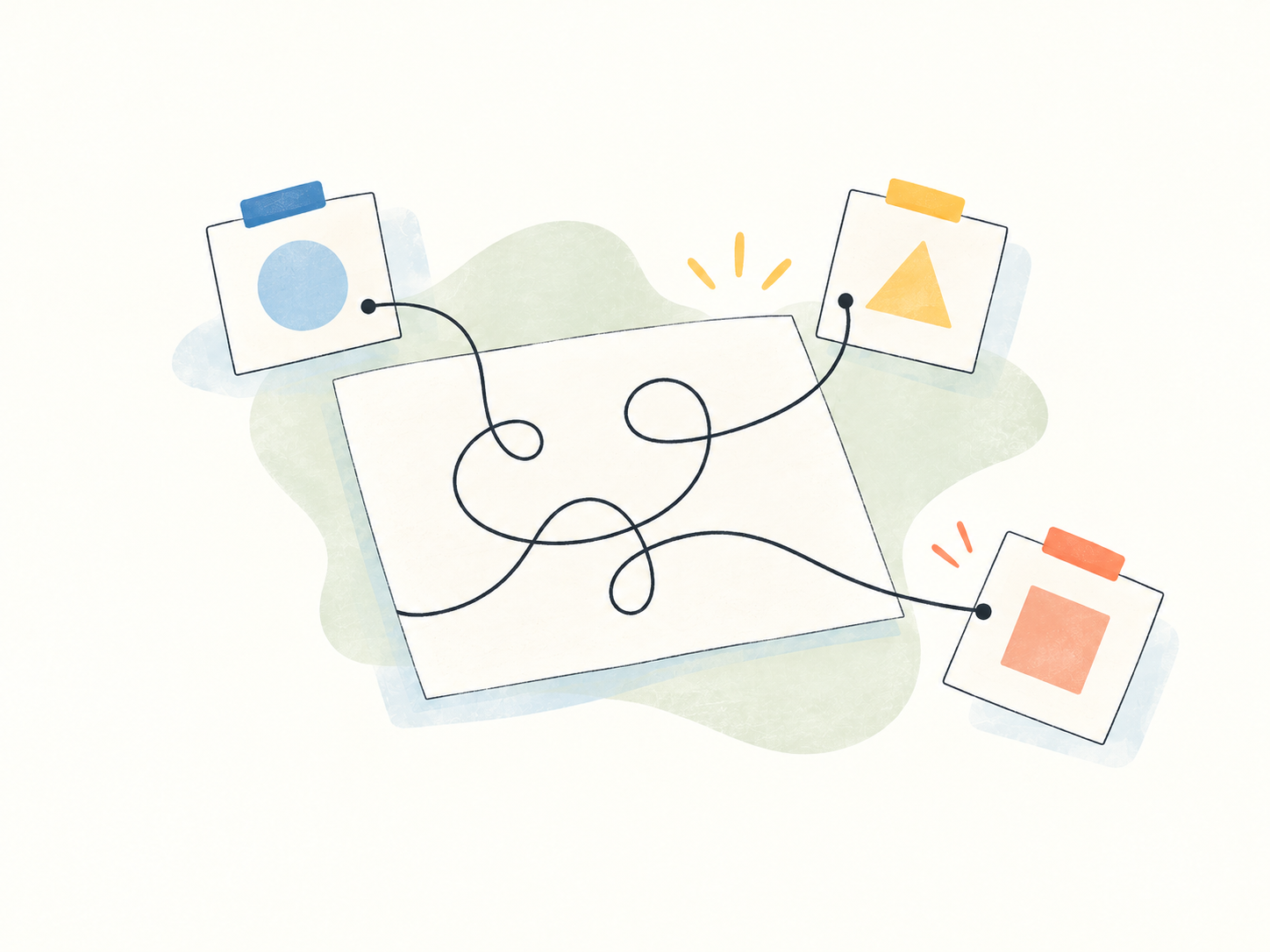
Use Claude Fable 5.1 to break a complex project into tasks, prerequisites and decisions. Identify what can happen in parallel and what needs an answer first, so the next step is easier to plan.
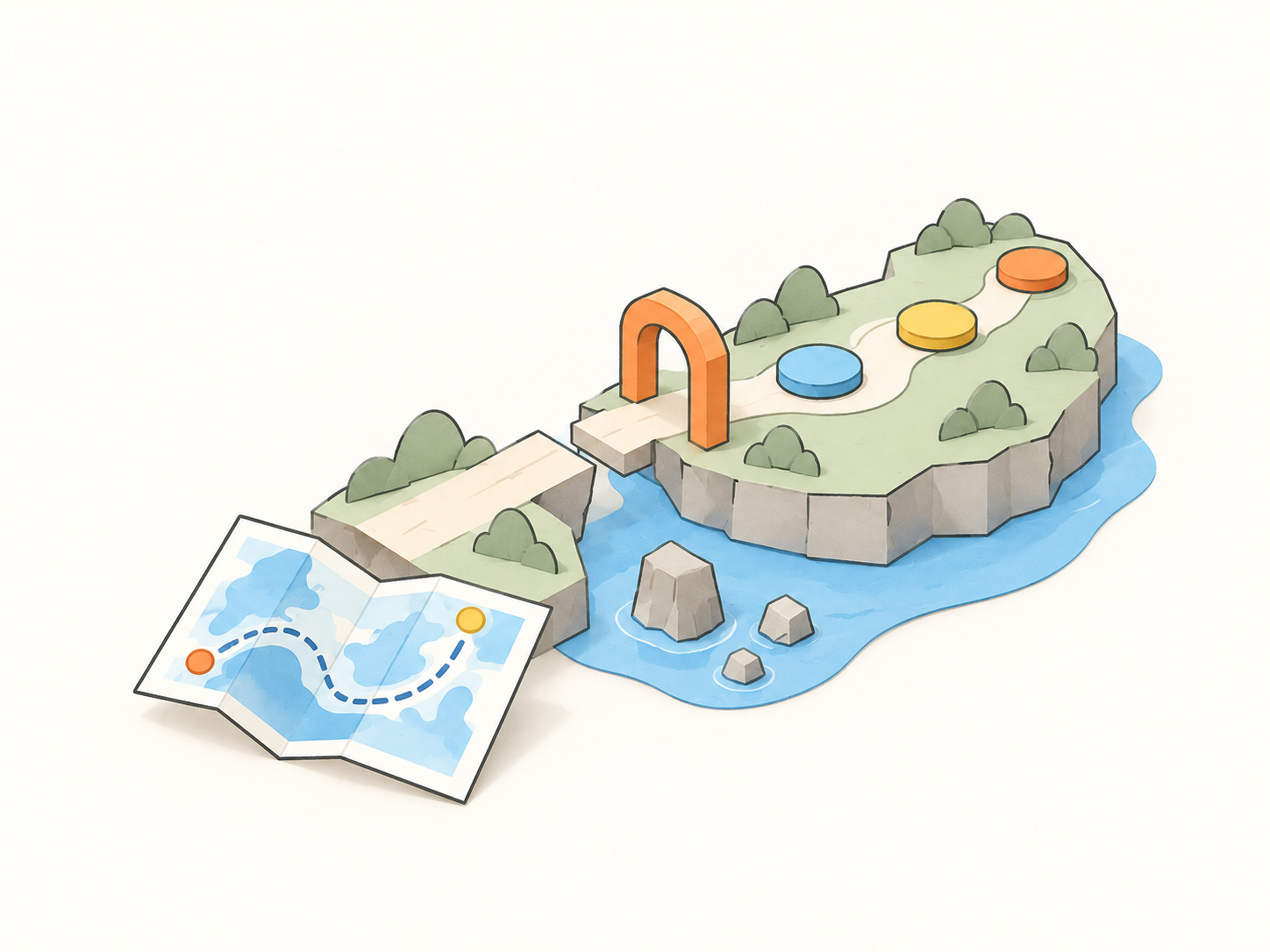
State the question, what is already known and what would count as a useful answer. Paste the relevant source material and label any reference images you attach.
Choose Continue in YouMind to open chat with Claude Fable 5.1. Your prompt and any attached reference images carry over; the work continues in chat rather than on this page.
Ask for the strongest counterargument and check the cited material. Resolve missing evidence before treating a draft explanation or proposed plan as a decision.
All three models understand text and images and produce text. Compare their context, output capacity and task focus for the problem in front of you.
Scroll horizontally to compare all models