Woodcut Print Graphic Design Poster
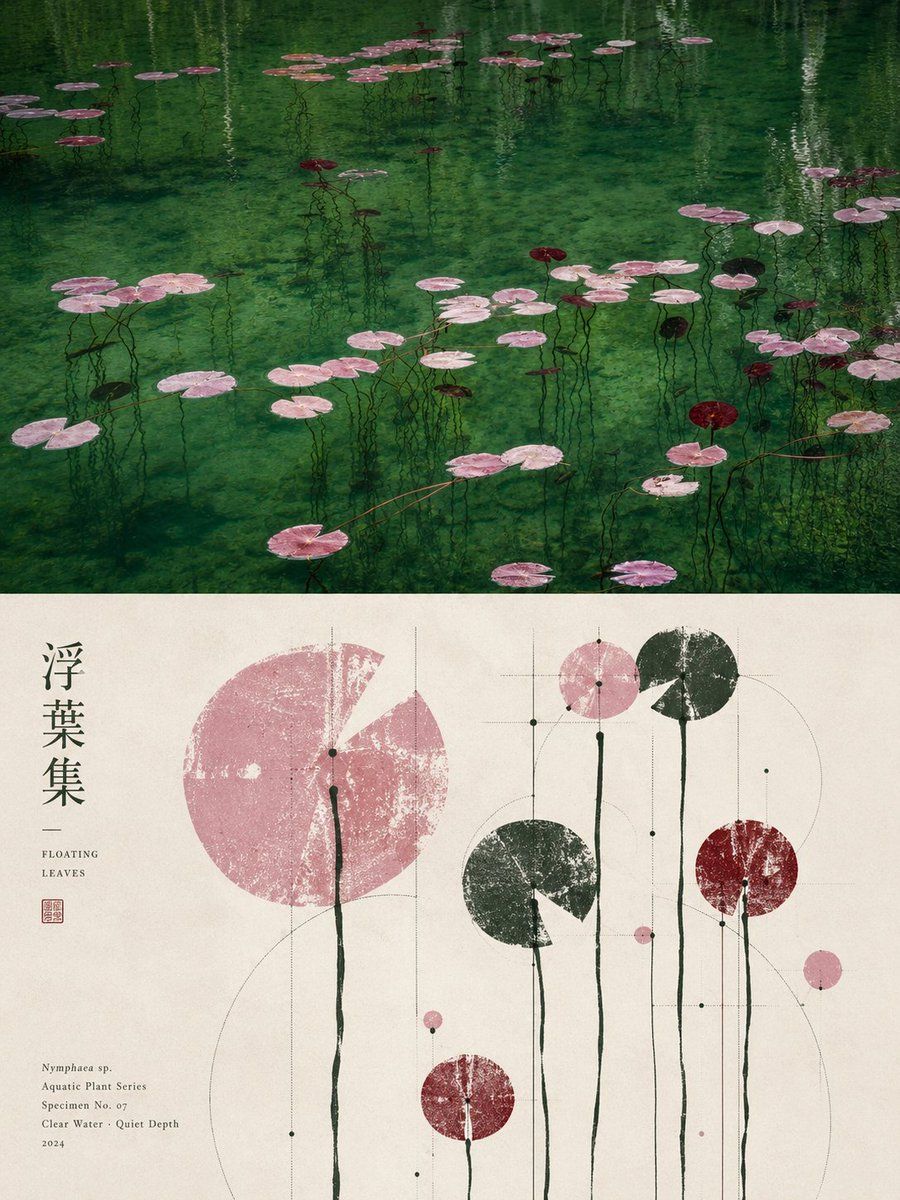
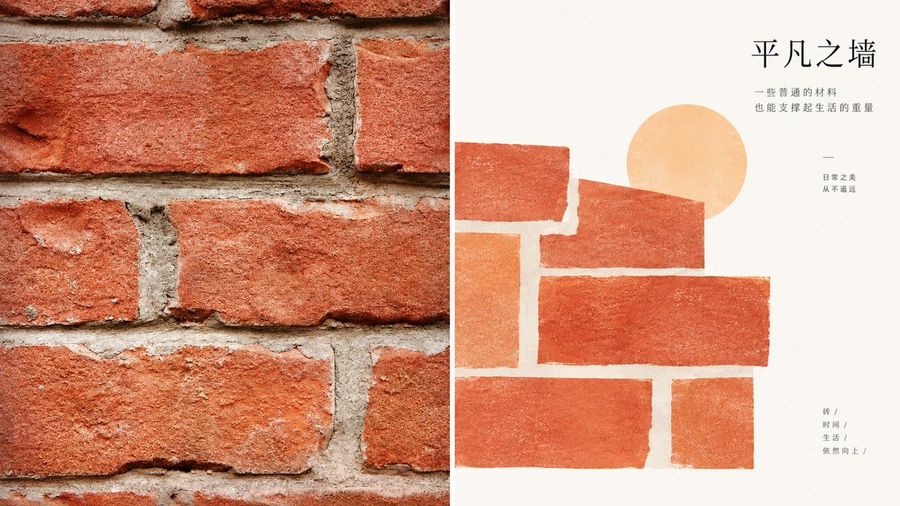
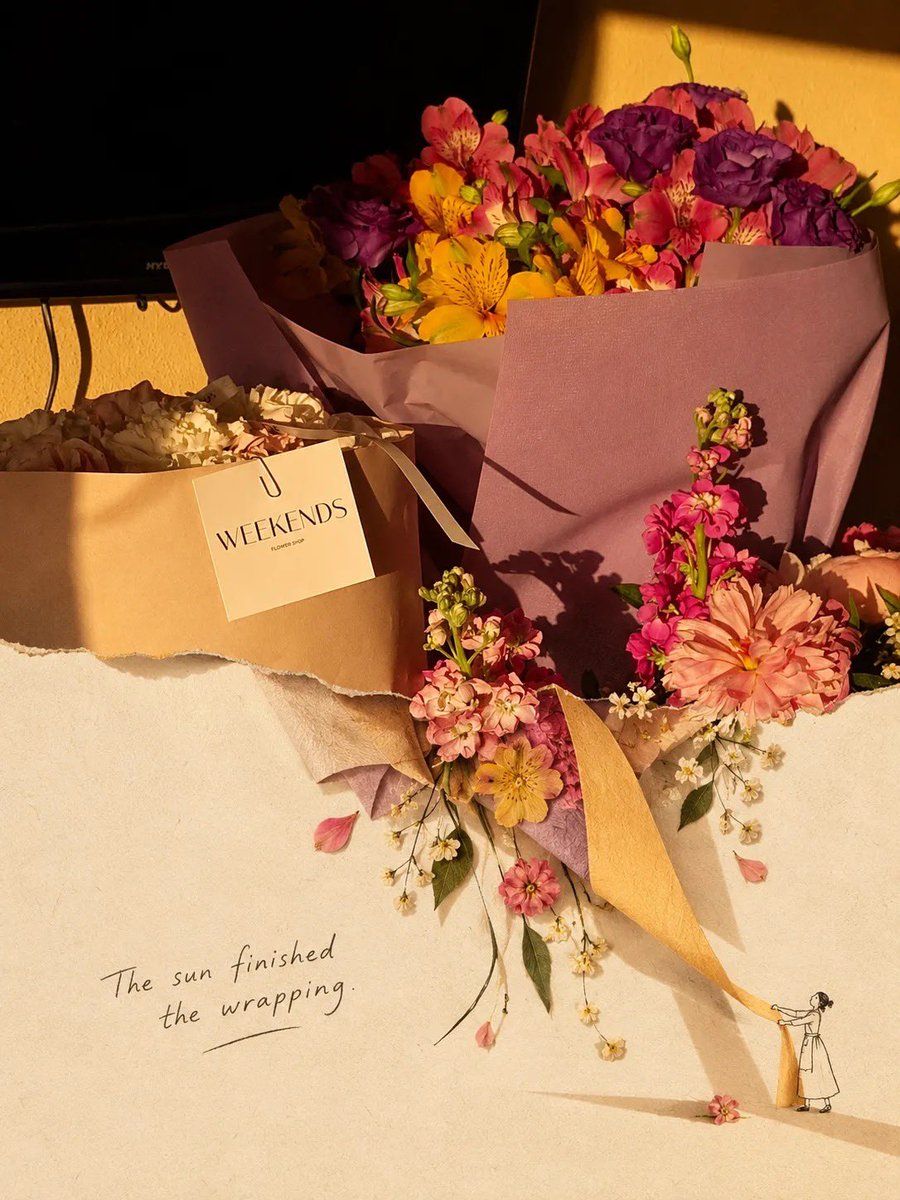
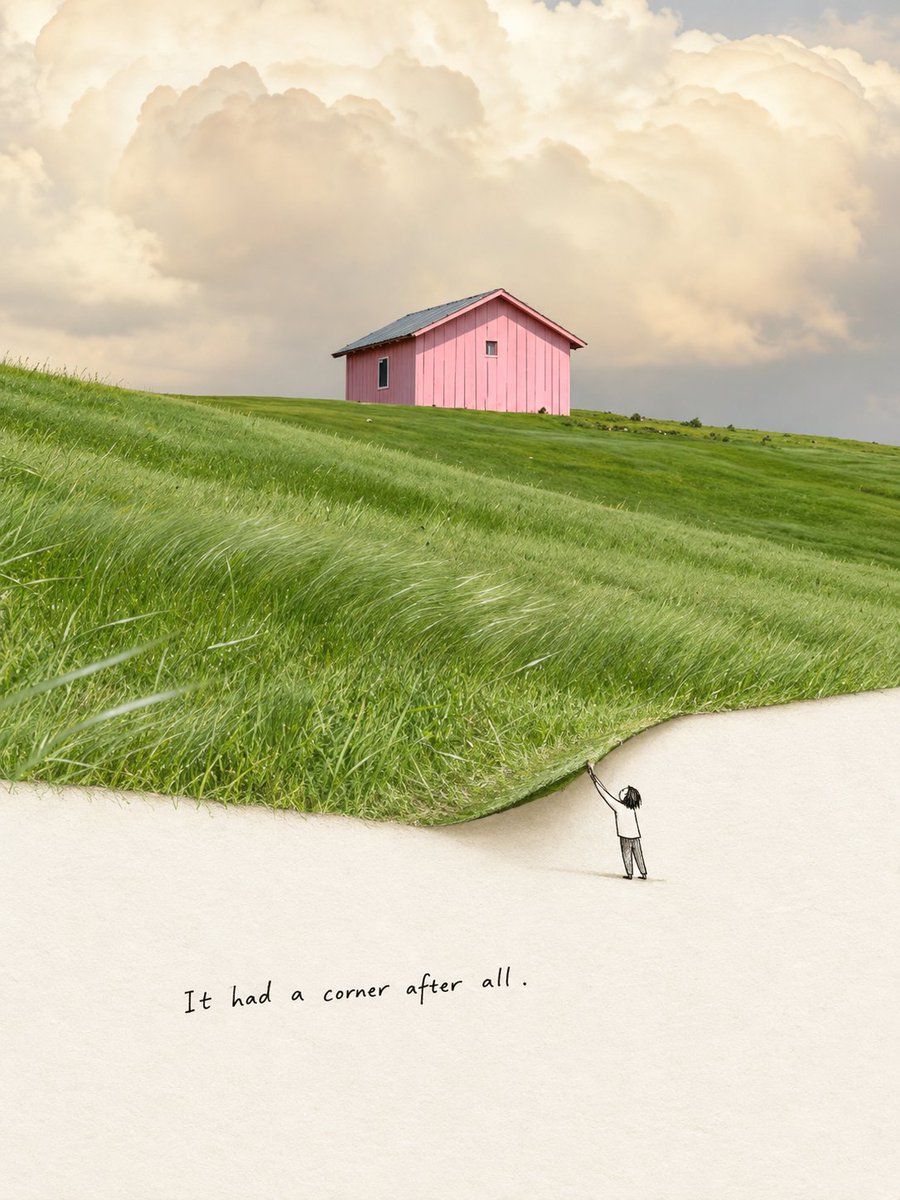
This prompt creates a sophisticated editorial poster that combines a photo upper half with a graphic, geometric reconstruction in the bottom half. The lower section uses woodcut, dry brush, and screen print textures to re-interpret the subject's cultural and narrative essence into a minimalist graphic motif.

Prompt
Please turn each photo I upload into a separate high-end design poster, avoiding multi-photo stitching, and output each photo individually. Use a 3:4 vertical composition overall, where the top and bottom sections are strictly 1:1 in height, each occupying 50% of the frame. The upper part retains the original photo, preserving its main structure, realistic texture, natural light/shadow, and original color atmosphere, with only slight high-end photographic color grading for an art publication and exhibition quality. To fit the frame, the sky, ground, or environment may be naturally extended, but the subject must not be stretched, distorted, or altered. The lower part extracts the most recognizable **subject, silhouette, posture, and narrative relationship** from the photo. First, interpret its core meaning, cultural attributes, or emotional connection, then reconstruct it into a graphic image with the aesthetic of folk catalogs, ancient artifact rubbings, and modern graphic design. Do not translate photo elements literally, and avoid generic traditional patterns; retain only **one core visual motif and a few truly narrative auxiliary forms**. Through silhouettes, negative shapes, local zooming, merging of forms, and symbolic translation, ensure the graphics both reflect the original object and convey its underlying meaning. The composition is built on a rigorous **geometric skeleton and proportion system**. Based on the subject's structure, extract circles, squares, triangles, curves, axes, or repeating proportions as the 'geometric matrix.' All subjects, auxiliary graphics, text, and negative space should then interact with this matrix through alignment, tangency, co-axiality, nesting, mirroring, proportional progression, or boundary cropping. The layout can be free-form, off-center, boundary-crossing, or asymmetric, but it must share the same structural logic, creating a clear visual focus, hierarchy, rhythm, and negative space. The order should be clear from a distance, while traditional imprints and detailed variations are visible up close, avoiding random scattering and decorative clutter. The color scheme extracts the most recognizable and vital colors from the photo, summarizing them into a clean and restrained print color palette. Use a bright, light paper base to create 'breathing room,' a dark color for the visual skeleton, and 1–2 theme colors from the original image for the subject and minor accents. Establish layers through area ratios, overprinting, and value relationships; colors should be clean and spirited, avoiding muddy aging, fixed folk palettes, and cluttered multi-colors. The texture uses a mix of **woodcut rubbing, dry-brush screen printing, and old-style catalog printing**. Ink gaps, scratches, and uneven ink distribution should primarily occur within the graphics, while geometric boundaries, key outlines, and the overall layout remain sharp and precise, creating a contrast of 'raw materiality × rigorous geometric order.' Text serves only as auxiliary information. Extract minimal titles and micro-annotations based on the photo's theme, meaning, or cultural attributes. These can be arranged along geometric axes, negative shapes, or graphic boundaries, aligning with or nesting within the subject without competing for the visual center. The overall presentation is **meaning-led, graphically restrained, geometrically rigorous, with raw rubbings, clear white space, and a coexistence of traditional culture and modern design order**. Every graphic element must have a source, a meaning, and a structural purpose. Remove decorative elements that do not enhance thematic understanding, avoiding material collages, random traditional symbols, uniform layouts, realistic illustrations, and a templated look.

How to use this prompt

  1. 1

    Copy the full prompt above.

  2. 2

    Open a platform that supports GPT Image 2, such as YouMind, and paste the prompt in.

  3. 3

    Swap the subject, style, or details to fit your idea, then generate.

This is a free AI prompt from YouMind's prompt library. Explore thousands more image prompts, all free to copy and adapt.

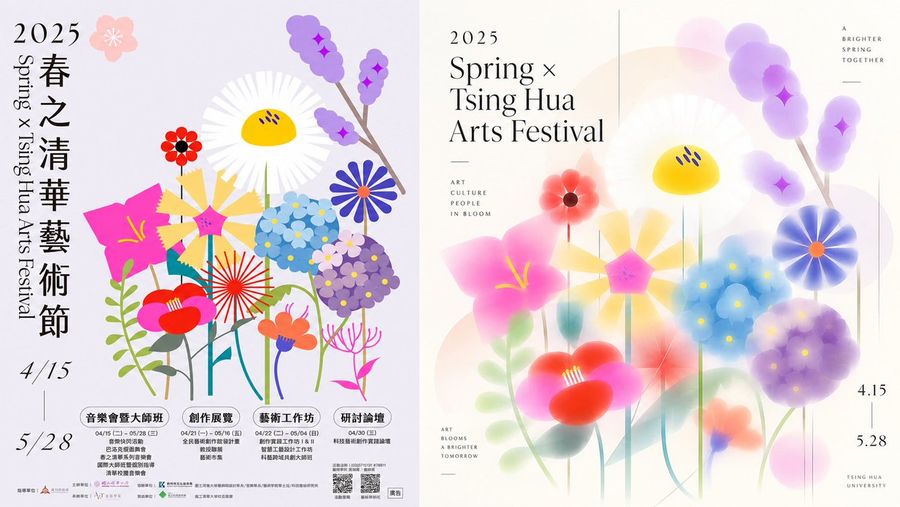
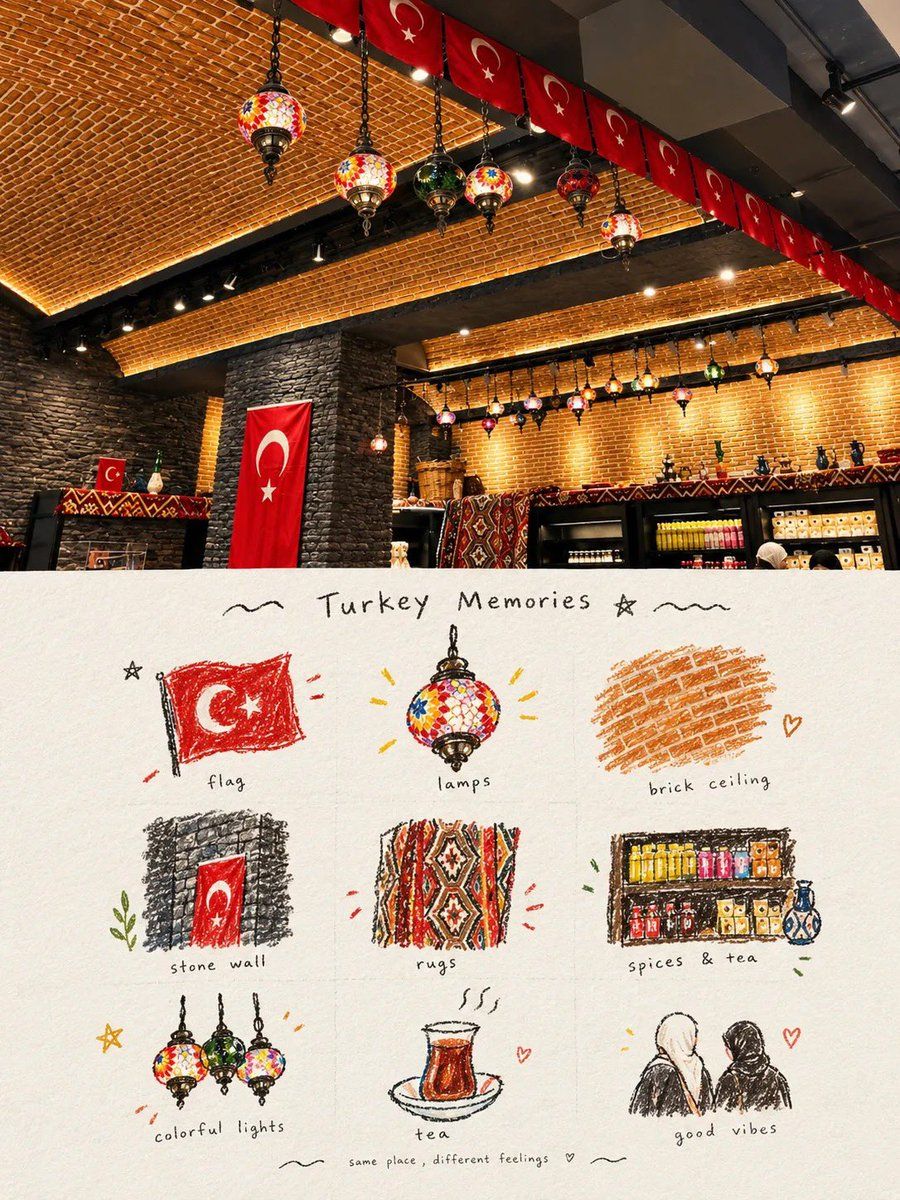
Explore more image prompts
More Prompt Features

AI Library

AI prompt search

Let AI search through tens of thousands of prompts. Filter by model, time range, keywords, and sort by engagement — views, bookmarks, reposts and more.

Vision Tools

Image to Prompt

Turn any photo into a detailed AI image prompt. The free image to prompt converter analyzes composition, style, and lighting so you can recreate any look in seconds.

Built for creators. Free forever.

YouMind is the AI creative copilot trusted by millions of creators worldwide. Every prompt here is curated to help you create better, faster.

Explore more prompts