
No prompts found
TRY SEARCHING FOR SOMETHING ELSE
Try These AI Skills Instead
Discover featured tools that can help you generate amazing content.
Virtual Avatar Style Guide
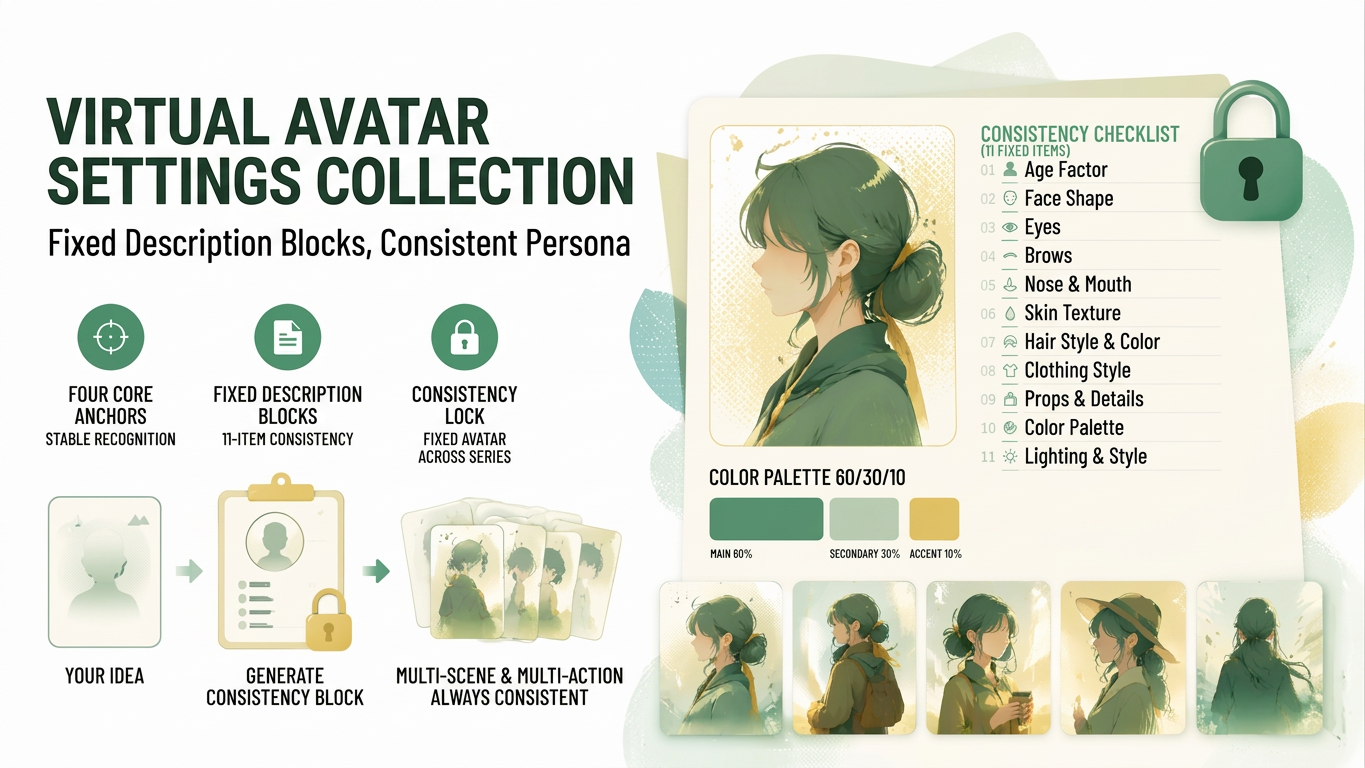
One of the hardest parts of creating a virtual avatar is this: the first image looks great, but the second looks like a different person, making it impossible to build a series. The 【Virtual Avatar Style Guide】 is designed to solve that problem. It first defines four "repeatable identifying features" (a hairstyle anchor, facial anchor, clothing anchor, and prop anchor), then creates a **fixed consistency description block**—with eleven elements written in a set order (perceived age, face shape, eyes, eyebrows, nose and mouth, skin texture, hairstyle and hair color, clothing, props, color tone, lighting and art style). Copy it exactly each time and change only the sentence describing the scene and action, so five images placed together look like the same person. It also provides five first-image concepts to test consistency, a color palette (60/30/10), and avatar usage guidelines (keep the anchors unchanged; only change the clothing and scene). Strict rules: the avatar must be completely original; it must not resemble any existing cartoon, anime, game, or film character, or any real person; no face swapping; reference images may be used only to extract color palette and overall feel; no minors; no revealing or sexualized designs; and no plans intended to impersonate a real person. Suitable for people who want to build a virtual IP, avoid showing their face, or create a series-based illustration account.
【S.032】Yearwalker | Photo Skill · Starryear
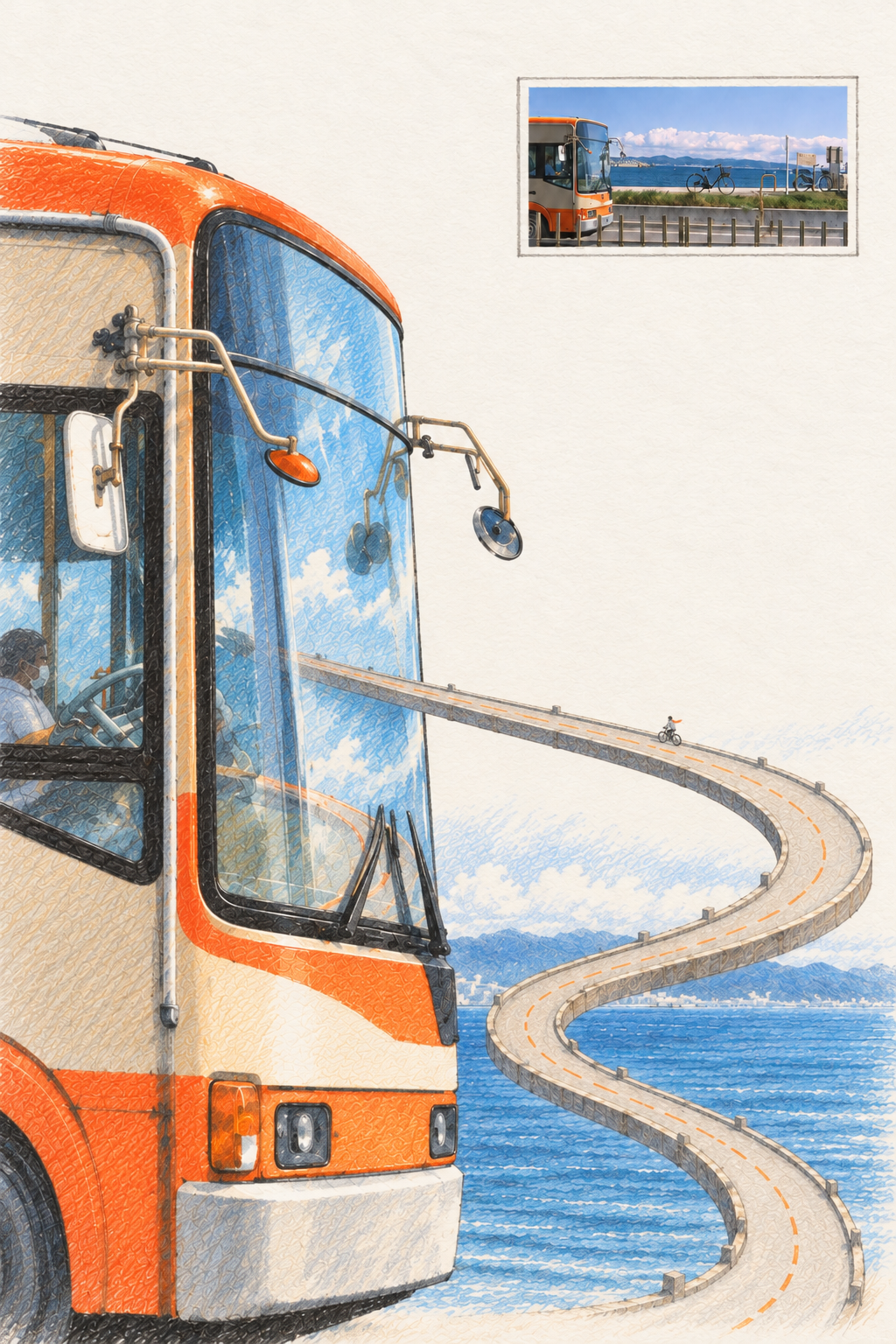
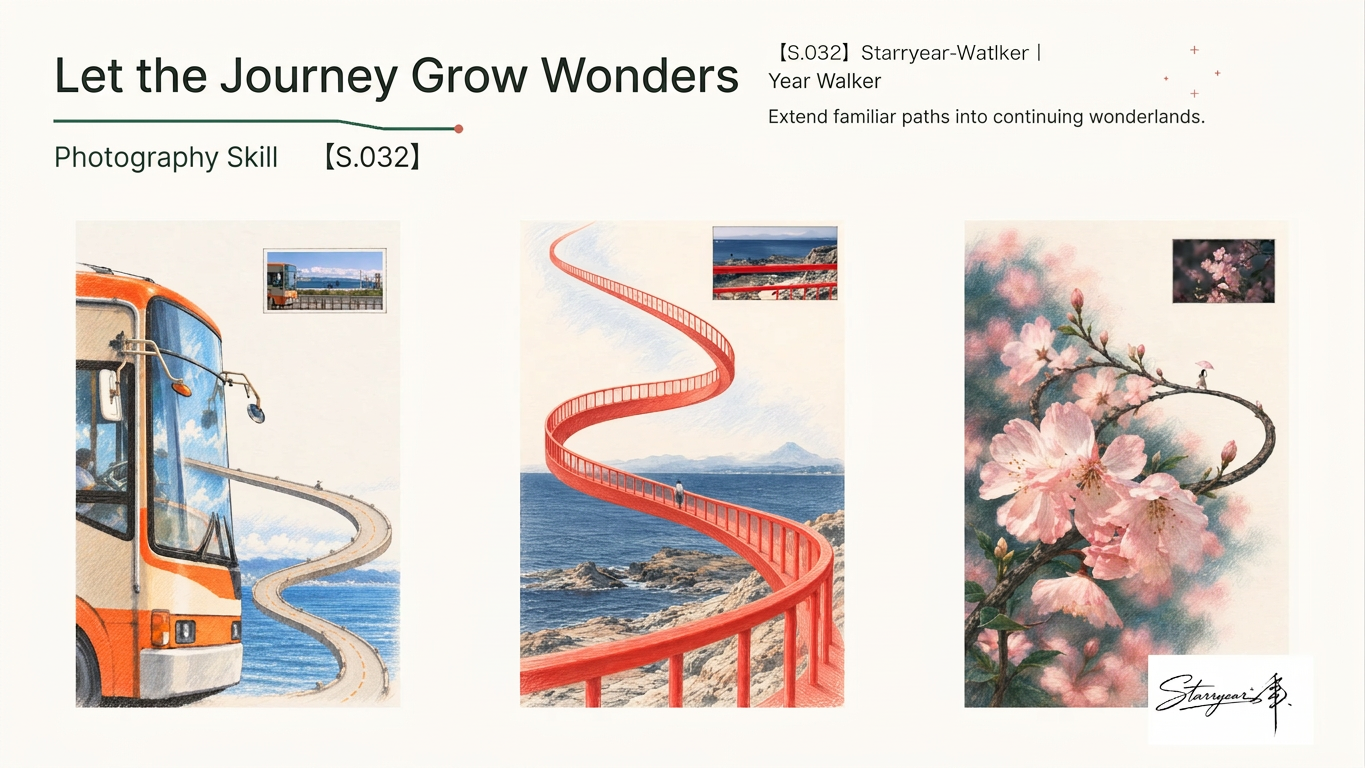
Transforms the main subject in a user-provided photo into an absurd giant scene with colored-pencil paper texture and hand-drawn linework. The work preserves the subject’s most recognizable outline, colors, pose, or spatial relationships, then extends the real photo into a quiet, clearly defined surreal event—presenting a familiar object at an exaggerated scale while maintaining visual coherence. A tiny human figure creates a strong contrast in scale, forming a simple narrative relationship between the giant subject and the person. A small version of the original photo, framed with a fine border, remains in the upper-right corner as visual evidence of the source. The original color palette is retained, with the image built through colored-pencil hatching, layered color, paper texture, and hand-drawn contours. No fixed giant type is imposed, and no unrelated decorative elements are added. The default output is a single 2:3 portrait-format work, retaining approximately 40% clean white paper space so the subject, miniature figure, and surreal event stand out more clearly. Ideal for creators who want to transform documentary photography, everyday objects, or natural landscapes into visual works with a sense of scale, imagination, and handcrafted texture.
S.031 Year-Vein · Starryear
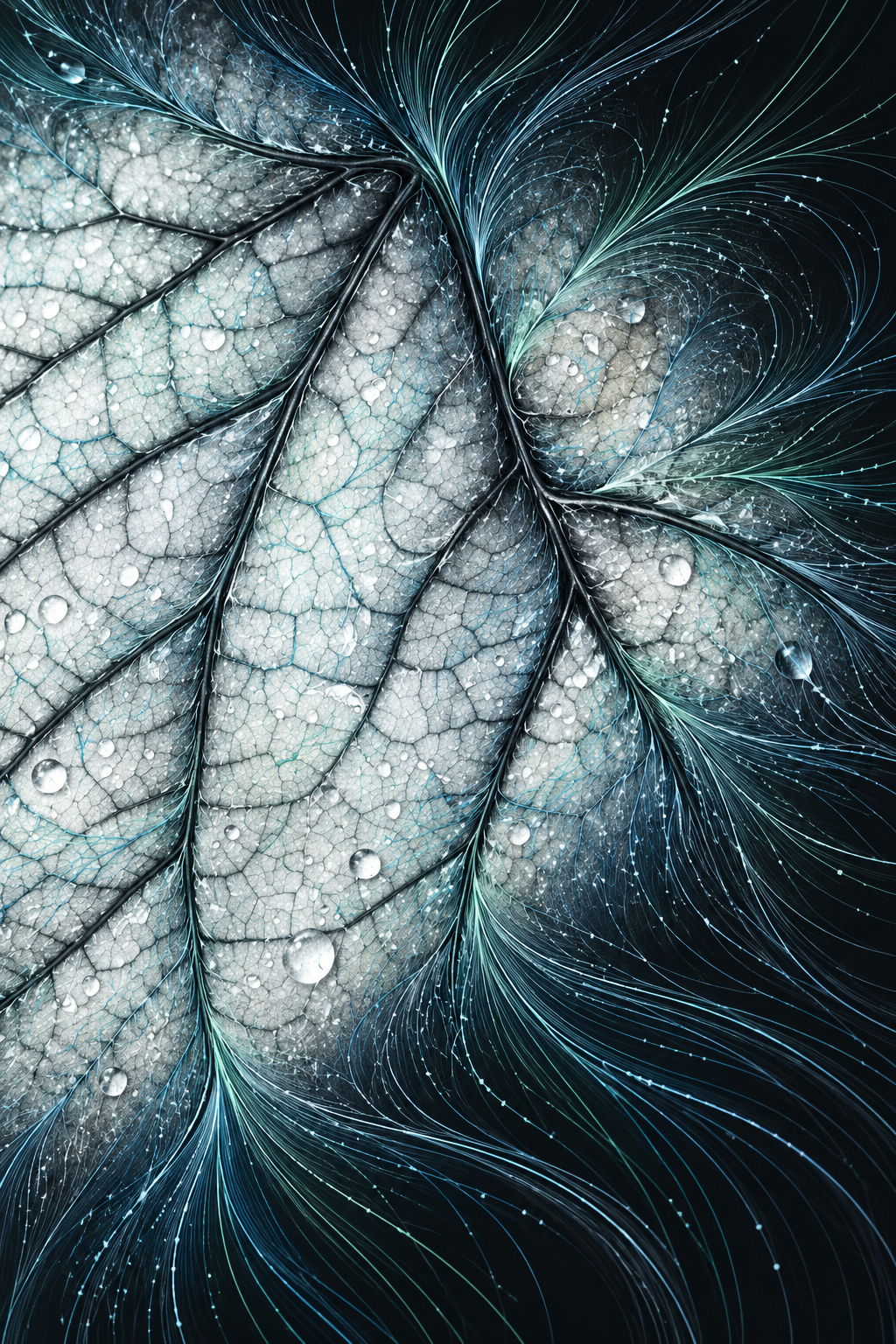
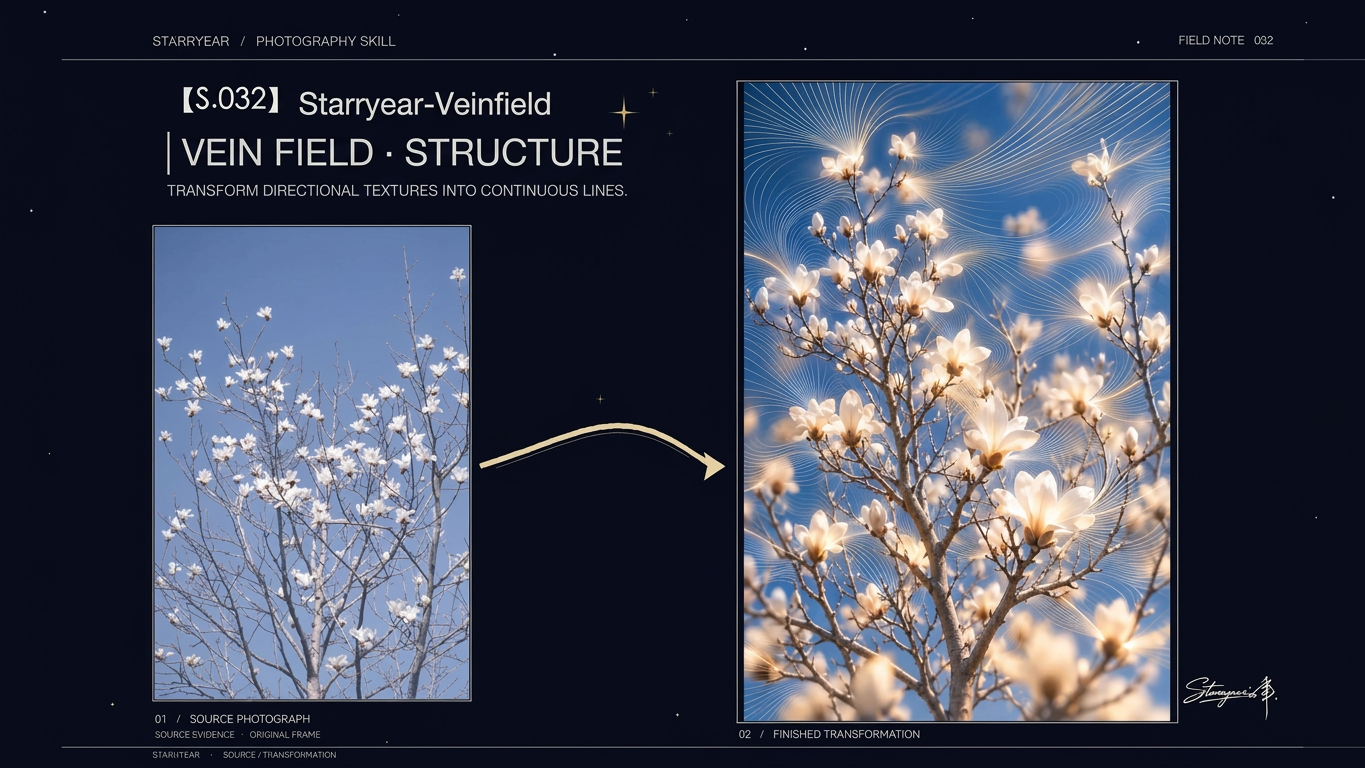
Reconstruct a photo into a distinctive 2:3 portrait artwork that naturally blends photographic details, the subject’s form, and continuous colorful line fields. The work is based on the original subject identity, composition, perspective, lighting, and color relationships, preserving key photographic details as recognition anchors while extending structured line fields from real textures such as radiating patterns, branches, folds, twigs, flowing water, architectural lines, or directions of movement found in the photo. Colorful lines grow along the original forms, spatial relationships, and lighting, creating gradient transitions within the subject, along its edges, and between the subject and background—not simply adding decorative lines or collaging abstract areas. The original image’s dark foundation, subject colors, lit colors, and environmental colors carry through the photographic anchors, reconstructed forms, and line fields, preserving the source image’s warm-cool relationships and spatial depth. This is suited to translating photos of nature, people, architecture, cities, or other subjects with directional textures into portrait artworks that combine photographic texture with a linear visual language. By default, no text, logos, watermarks, or promotional elements are added.
xiaoxiaodong P320 Silhouette
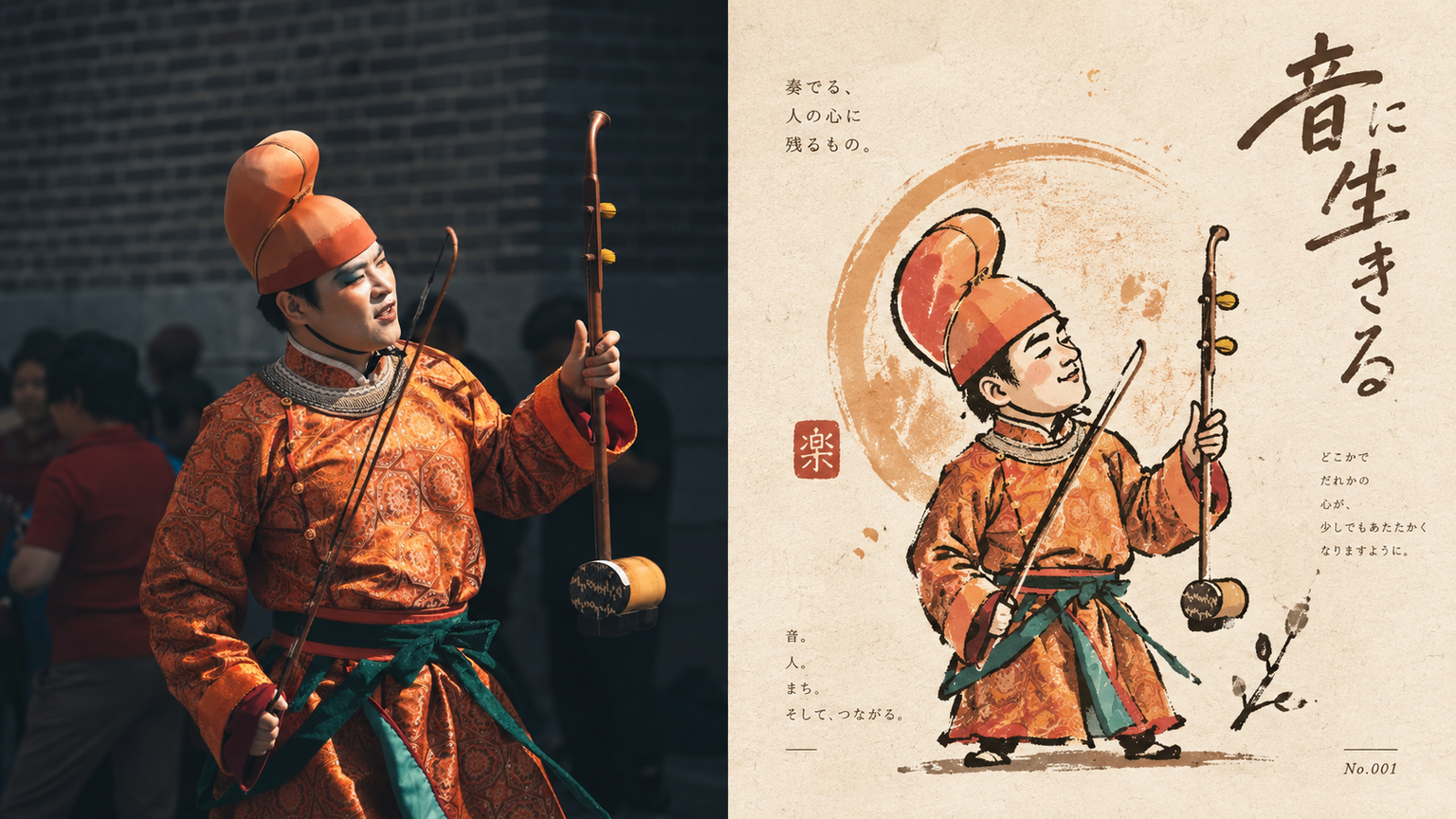
For turning an ordinary photo into a distinctive character captured by an artist—not a commercial mascot. The top half is the original image; the bottom half first establishes a silhouette, then layers broken, overflowing, and not-quite-closed gesture lines over it. Proportions may be rounded or slightly distorted. A circle, star, or sprig of a plant can support the identity, but must not become the background. Ink lines sit on paper, loose yet controlled, forming a small collectible icon. Use a warm, limited palette: warm yellow, ochre, soft orange, off-white, dark brown, and deep red, with a small amount of cool color for balance. Avoid smooth vector shapes, excessive retouching, cute IP, and complete scenes.
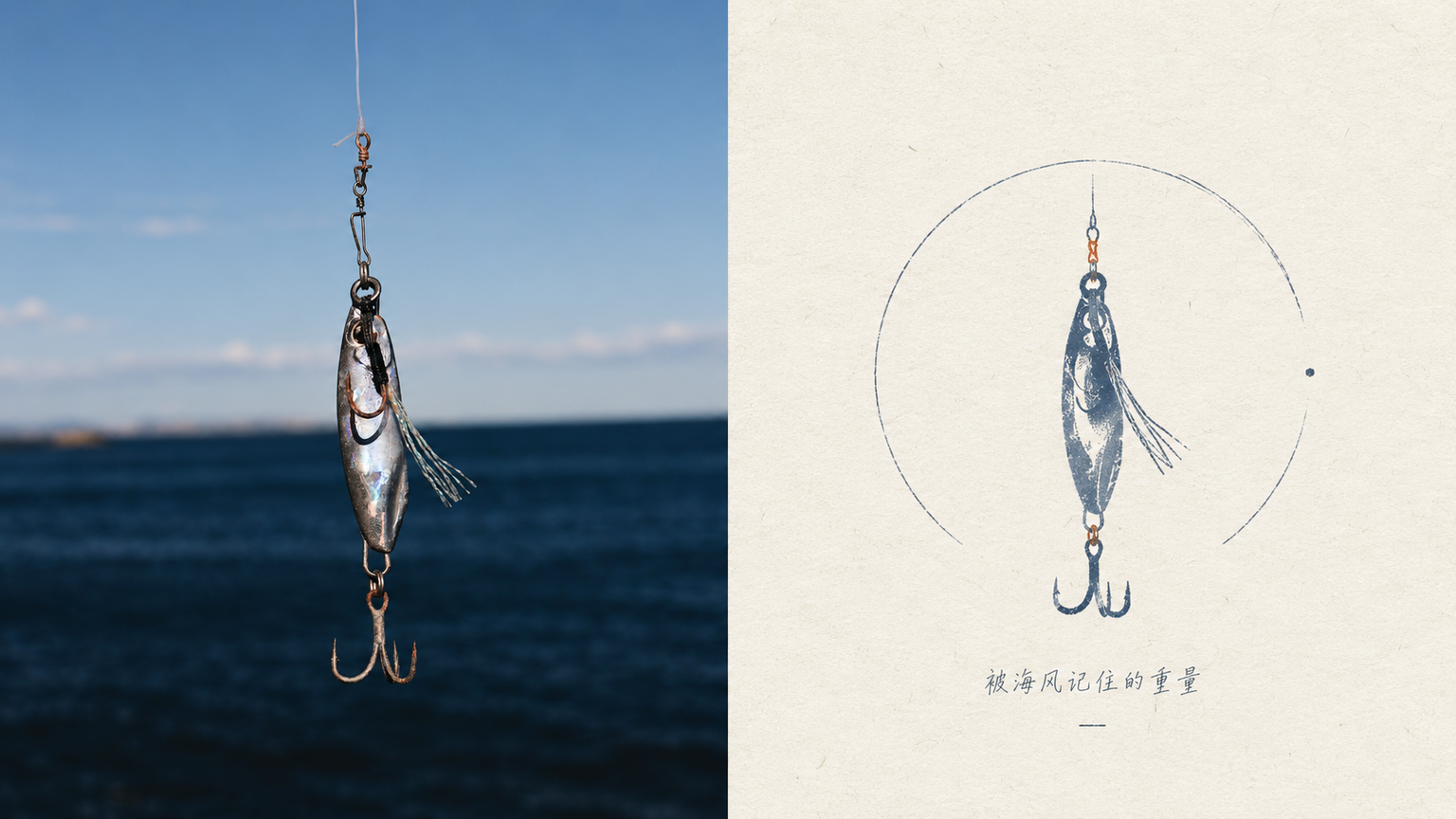
Poetic Mark | xiaoxiaodong P319
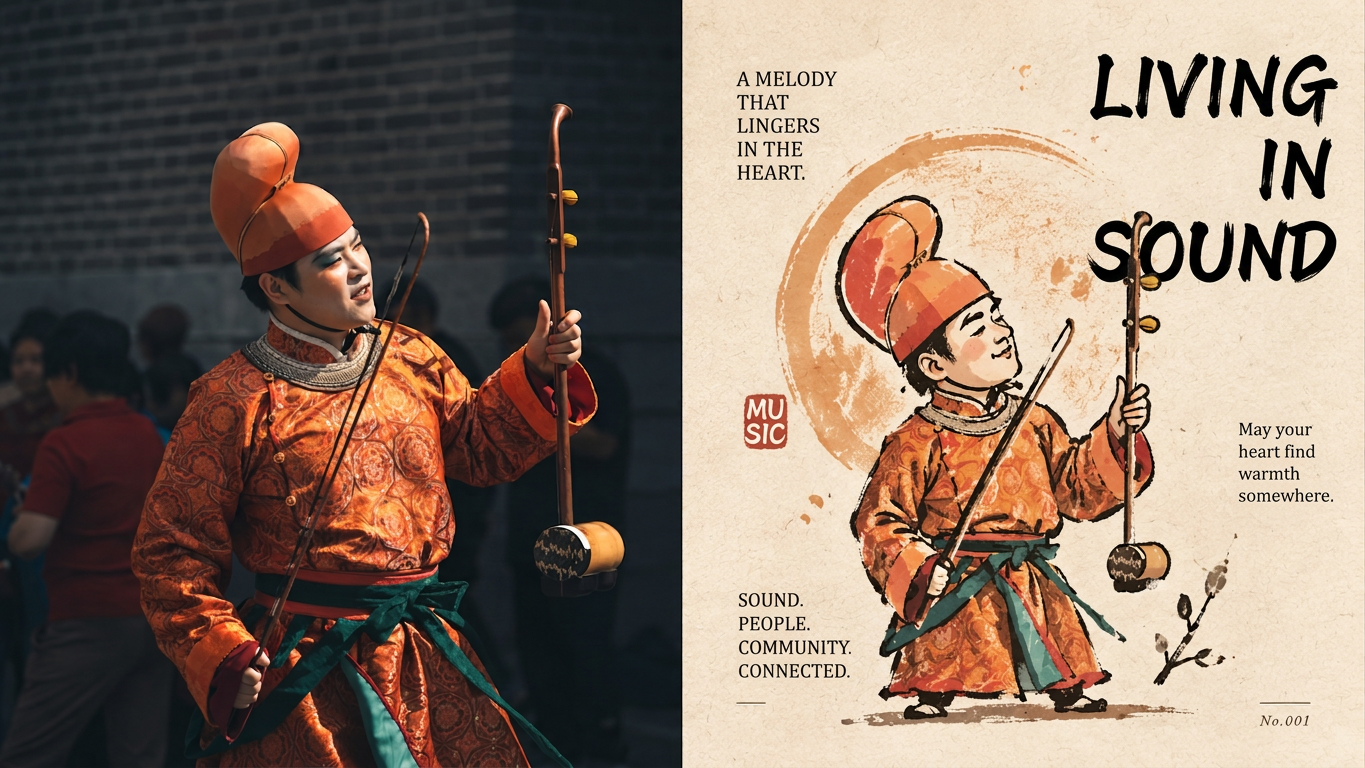
Ideal for turning an ordinary photo into a private poetic mark on white paper. The upper half shows the original image; the lower half keeps only a silhouette, a set of proportions, or a gesture. It can be pared back to near abstraction, with a quiet touch of surrealism. A very small label, number, or handwritten word may appear as a second layer of metaphor rather than an explanation. The materials are colored pencil, crayon, and paper grain. The palette uses warm white with one main color and one supporting color for a low-stimulation effect. Keep the symbol small and place it within a broad field of psychological space. Avoid complete scenes, piles of annotations, perfect geometry, and noisy colors.
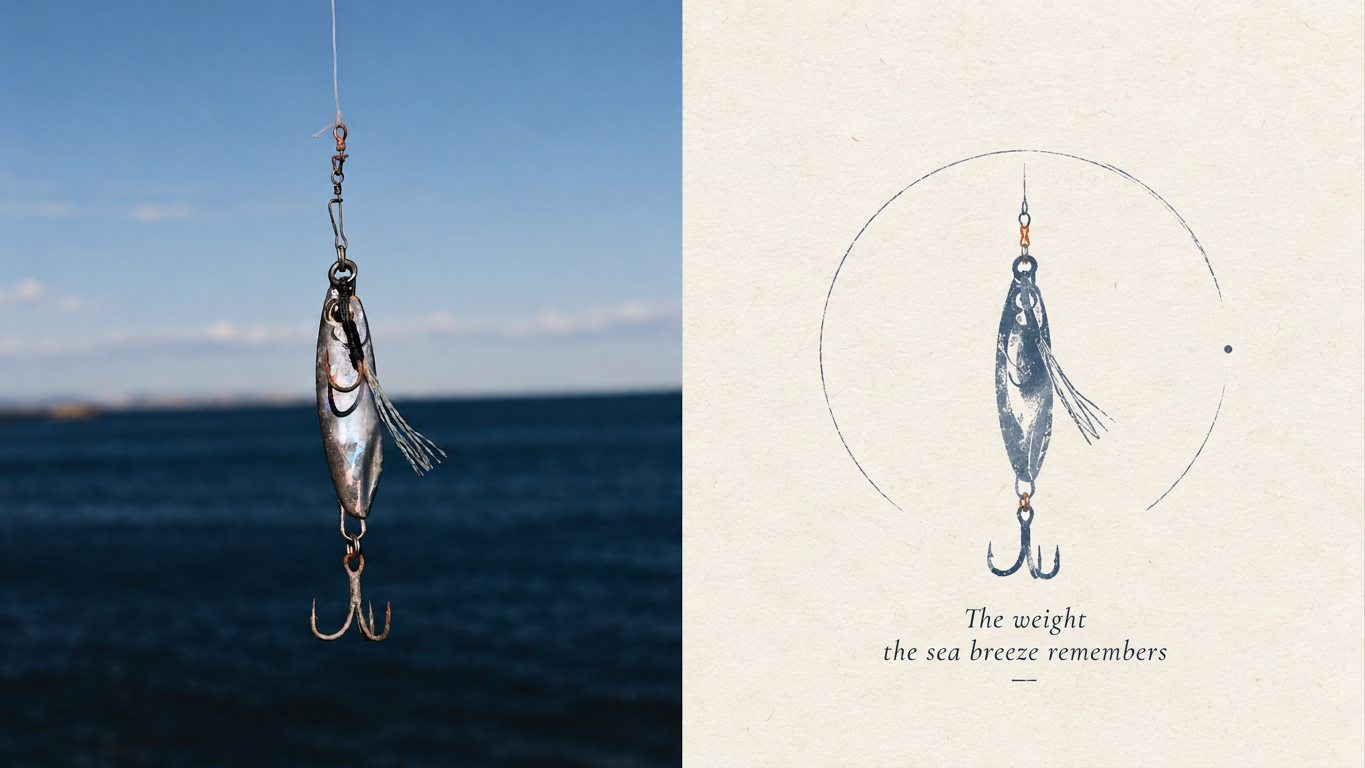
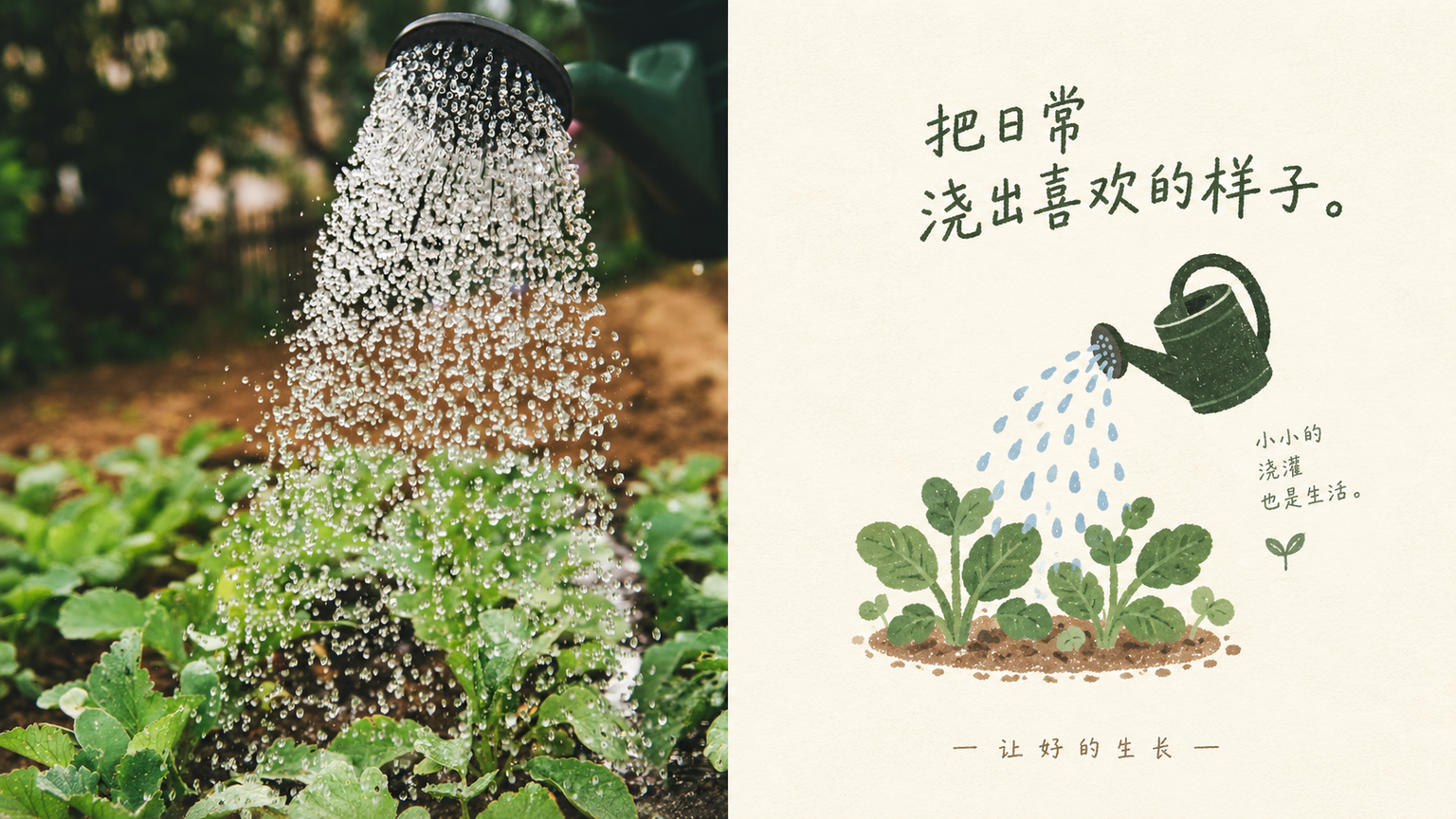
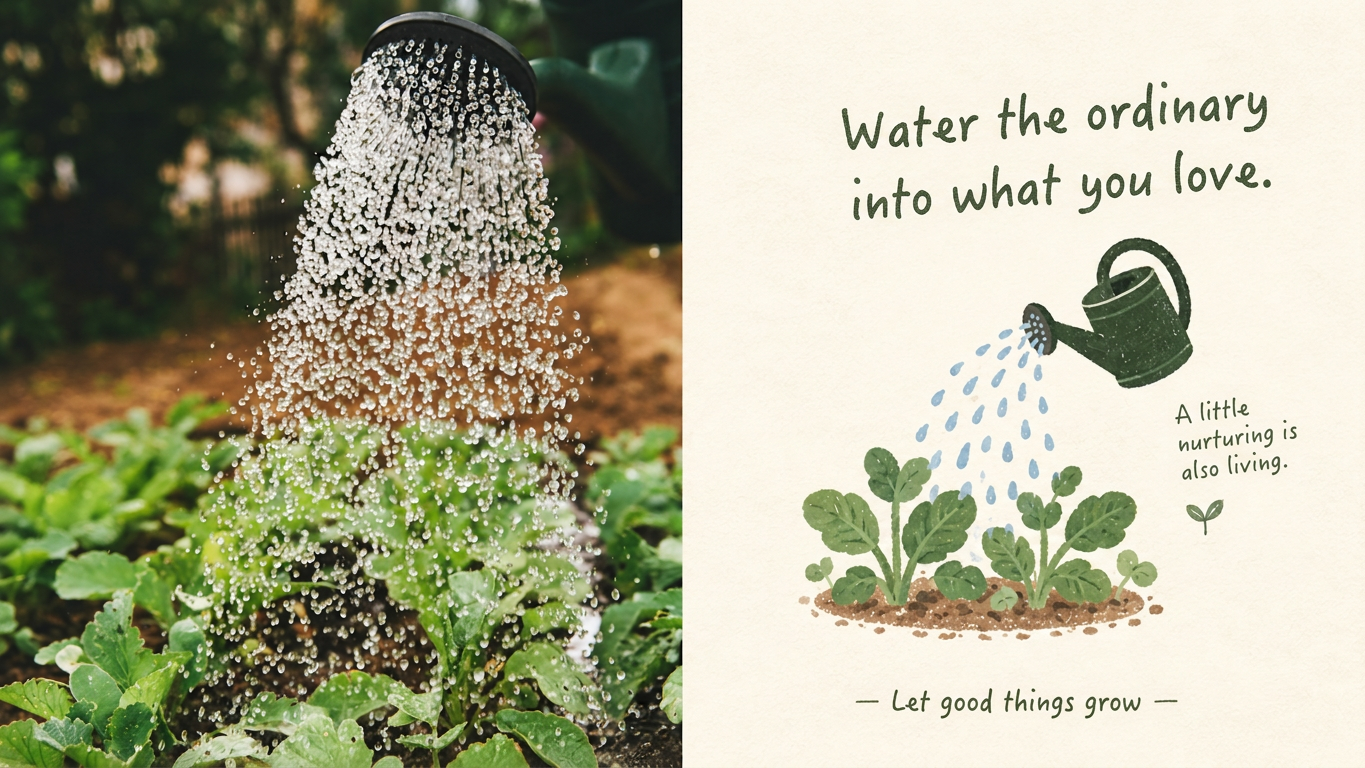
Life Trace | xiaoxiaodong P318
Designed to turn an ordinary photo into a visual expression of everyday life worth remembering. The upper half shows the original photo; the lower half distills a pose, plant, pet, architectural detail, or household object into a clear, rounded little emblem with a subtle handmade feel. Soft gouache, naive linework, colored-pencil grain, and paper texture coexist. The symbols are small, floating in clean negative space, while the text resembles a small label from a lifestyle brand. The palette is fresh and warm: warm cream, light beige, plant green, misty blue, dusty pink, soft coral, and light apricot. Avoid complete stories, complex backgrounds, excessive cuteness, and template-like icons.
Common Questions
Ready to create with
YouMind?
Turn these prompts into images with the models available in YouMind.
LET YOUR IMAGINATION SOAR