YouMind
Sign in

Minimalism

Explore free Minimalism image prompts from YouMind's AI prompt library, grouped under styles. Every prompt is curated from real creative workflows and ready to copy, adapt, and reuse.

Prompt to ImageImage to Prompt
GPT Image 2
Premium Editorial Poster with Cut-Paper Collage
View full prompt & copy

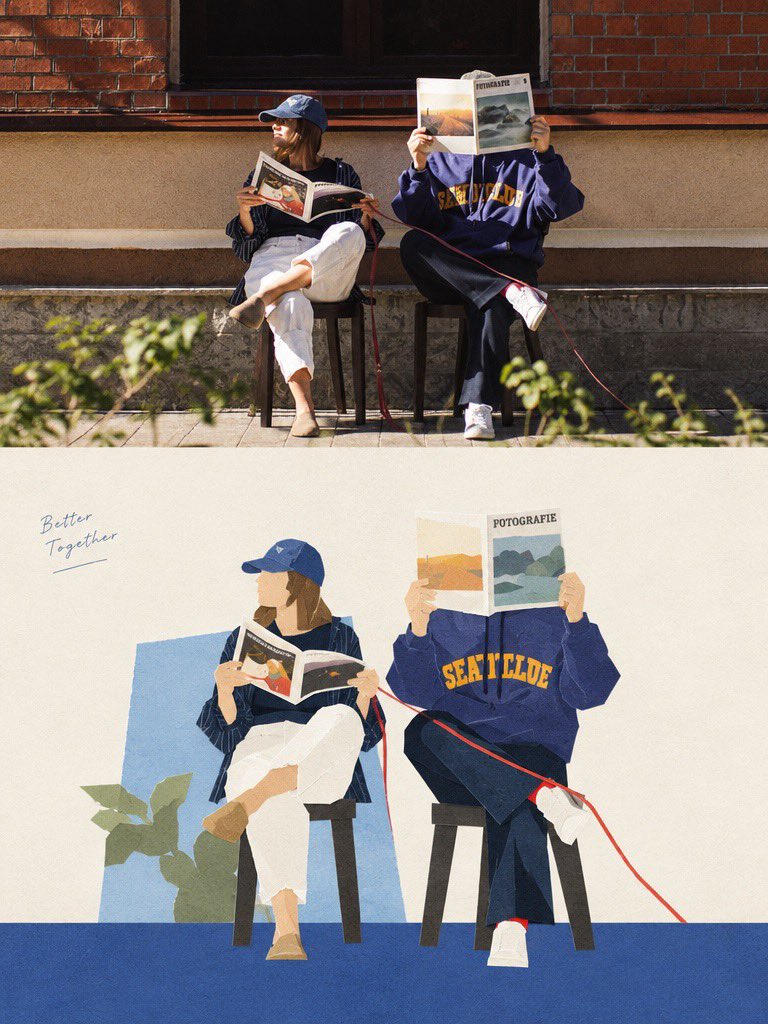
Create one premium editorial poster for each uploaded photo, outputting each separately without combining images or reusing other photos’ designs. FORMAT: Strict vertical 3:4 composition, divided into two equal horizontal halves. The upper 50% preserves the original photograph’s subject, identity, pose, colors, textures, and natural lighting, with only subtle editorial color grading. Never distort the subject. LOWER HALF: Transform the main subject into a minimalist cut-paper collage using simplified silhouettes, geometric shapes, layered paper, and subtle grain. Remove unnecessary background details while preserving the subject’s recognizable identity and story. COMPOSITION: Use a split color-field layout with generous near-white negative space above and a solid-color base spanning the entire bottom width. Position the subject near the boundary, optionally adding a simple geometric background panel. Maintain clean horizontal edges, asymmetrical balance, and strong visual hierarchy. COLORS & TEXTURES: Extract 2–4 colors from the original photo and refine them into a soft, bright pastel palette. Use subtle paper grain, handcrafted edges, and delicate layering. Create depth through overlapping shapes rather than realistic shadows or perspective. TYPOGRAPHY: Use minimal, elegant editorial text only when appropriate, placed discreetly within the negative space or near the composition’s edges. STYLE: Sophisticated art-magazine aesthetic combining authentic photography, minimalist paper-art collage, clean color blocks, generous negative space, and refined editorial design. AVOID: Clutter, complete scene redraws, gradients, heavy shadows, excessive details, distorted subjects, cartoon styles, 3D effects, and generic template-like layouts. Goal: Create a distinctive, gallery-worthy poster that preserves the original photograph above and artistically reinterprets its essence below.

Generate image
GPT Image 2
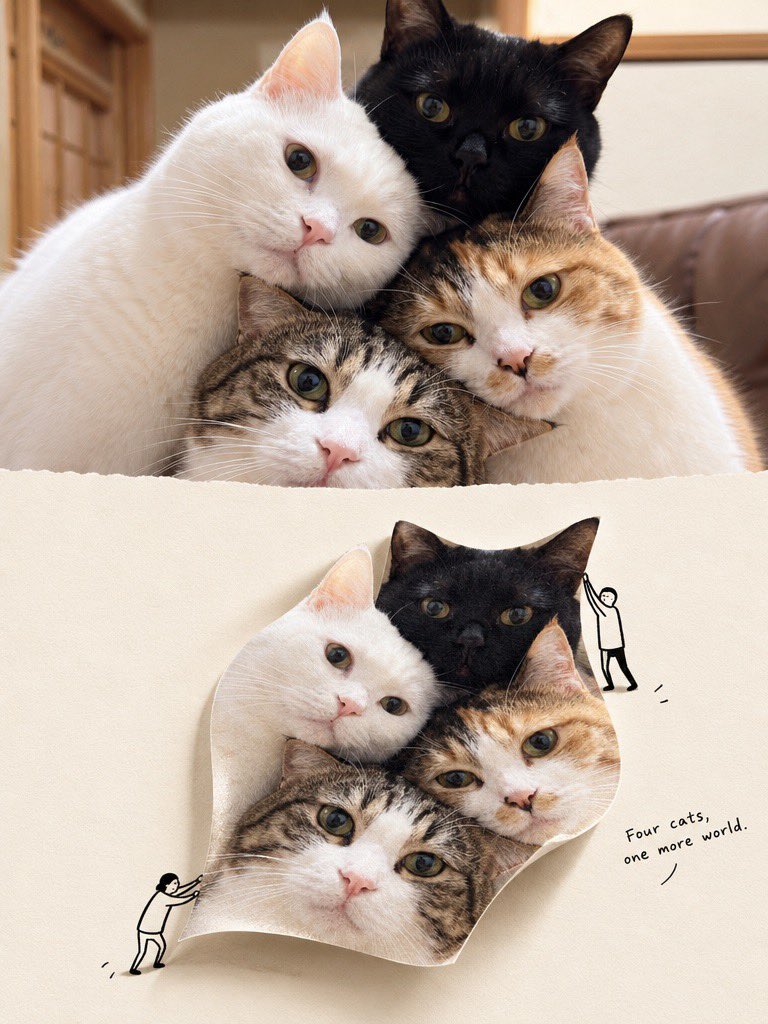
3D Scrapbook Composition with Floating Paper Cutouts
View full prompt & copy

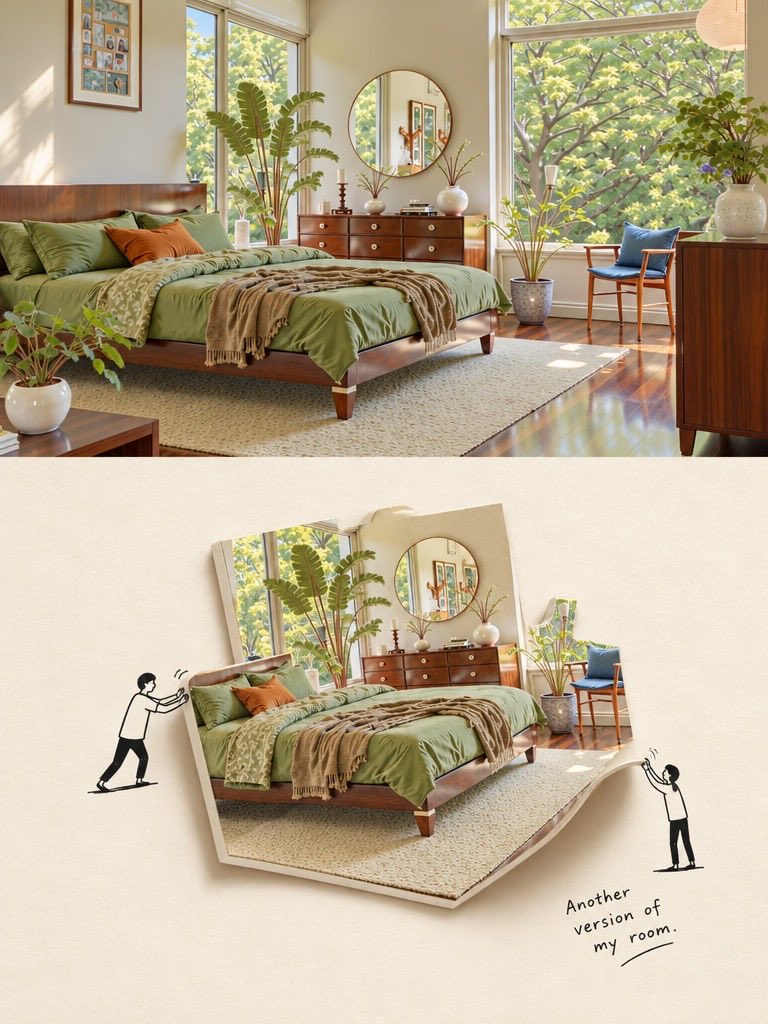
Create a creative minimalist 3D scrapbook composition featuring a realistic photograph transformed into a thick, floating paper cutout on a warm ivory textured background. For the first scene, showcase a beautiful sunlit modern bedroom with an olive-green bed, walnut furniture, large windows, lush indoor plants, a round mirror, and soft natural sunlight. For the second scene, depict dramatic white coastal cliffs covered in vibrant green grass, deep blue ocean waves, and a striking red-and-white lighthouse beneath a cloudy sky. Make the photograph appear as a curved, folded sheet of thick paper with realistic depth, visible layered edges, soft shadows, and a floating effect. Add tiny hand-drawn black stick-figure characters interacting with the paper, pushing, lifting, or holding its edges, alongside playful handwritten captions such as "Another version of my room" and "Same place, different layer. Elegant editorial photography, realistic textures, subtle imperfections, minimalist art direction, soft beige palette, creative visual storytelling, premium design magazine aesthetic, crisp details, balanced composition, vertical poster layout.

Generate image
GPT Image 2
Second World Editorial Photography Poster
View full prompt & copy

Create a vertical 3:4 “Second World” editorial photography poster based on the uploaded photo. ### COMPOSITION Divide the image into two perfectly equal horizontal halves. Upper Half: Preserve the original photograph exactly, allowing only proportional cropping. Keep the original subject, colors, composition, natural lighting, and realistic textures. No redraws or illustrations. Lower Half: Use a warm ivory-white paper background with generous negative space. ### CORE CONCEPT Identify the photograph’s most recognizable visual structure and transform it into a tangible, three-dimensional photographic object in the lower half. The object must retain the original photographic textures and look physically real, with visible thickness, subtle folds or curves, natural shadows, perspective, and realistic contact with the paper. Subject preservation is essential: If the photo contains a recognizable person, building, animal, landmark, or distinct object, make it the centerpiece of the lower half. Preserve its identity, realistic texture, and most of its complete silhouette. Never replace the main subject with background elements. The lower half must clearly display a substantial photographic object, not merely torn paper or a tiny character. ### CHARACTERS & CAPTION Include 0–2 minimalist black line-art characters interacting meaningfully with the photographic object, such as lifting, unfolding, pushing, repairing, or entering it. Add one short, casual, slightly humorous handwritten English caption. Avoid motivational quotes and clichés. ### VISUAL STYLE Realistic photography + warm ivory paper + minimalist black doodles + subtle handmade collage + independent magazine aesthetics. Keep the design clean, bright, minimal, and visually striking. ### AVOID Full-image illustration, generic torn-paper templates, tiny decorative characters, unrelated ornaments, clutter, complex illustrations, and commercial aesthetics. FINAL RULE: The lower half must feel like a real, three-dimensional piece of the original photograph brought into a second world. The main subject must remain immediately recognizable at first glance, even if its physical properties are creatively transformed.

Generate image
GPT Image 2
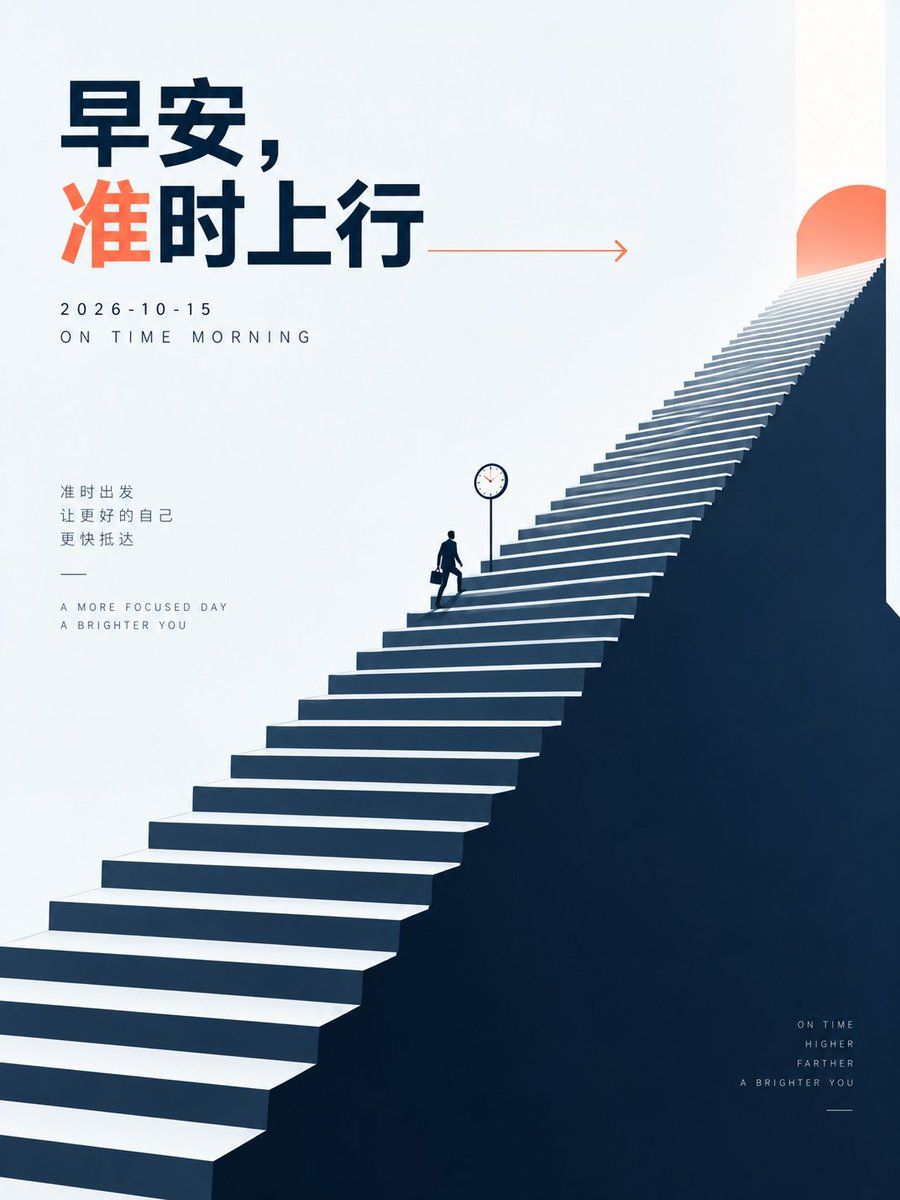
Minimalist Morning Staircase Poster
View full prompt & copy

A minimalist vertical poster featuring a long, steep staircase ascending diagonally from the bottom left to the top right against a clean white background. The steps are rendered in deep navy blue with crisp white edges, creating a strong geometric rhythm. A small silhouette of a person carrying a briefcase walks up the stairs near the middle section, next to a simple line-art clock on a pole. At the top right corner, a warm orange sun rises behind the peak of the stairs, casting a soft glow. Large bold Chinese text "早安," and "准时上行" appears in the top left, with the second line partially highlighted in orange. Below it is the date "2026-10-15" and English text "ON TIME MORNING". Smaller inspirational text lines appear on the left side: "准时出发", "让更好的自己", "更快抵达", followed by "A MORE FOCUSED DAY" and "A BRIGHTER YOU". In the bottom right corner, faint white text reads "ON TIME", "HIGHER", "FARTHER", "A BRIGHTER YOU". An orange arrow points rightward from the main title.

Generate image
GPT Image 2
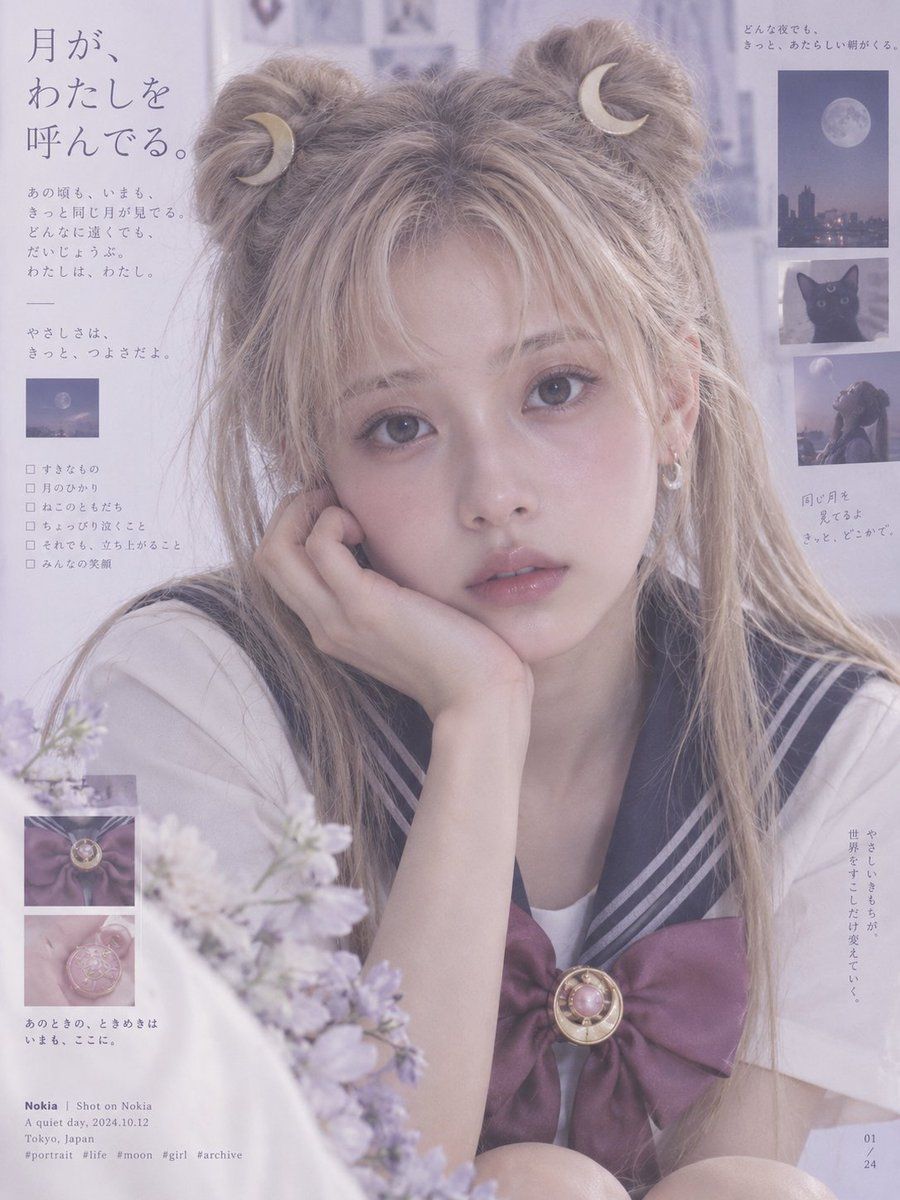
Japanese Magazine Style Portrait with Foggy Purple Grey Tone
View full prompt & copy

[Character Description], real person character, shot on Nokia. Soft character setting portrait × Japanese flat magazine layout × Smooth digital gradients with fine hair rendering × Continuous subtle light and shadow gradient shaping on the face. Frontal full soft light, almost no obvious shadow breaks. The overall color palette uses foggy purple / ivory white / light gray, extremely low saturation cool tones. The subject is centered in a frontal head-and-shoulders close-up composition, with clear facial structure, leaving space around the edges for small typography and archival label areas.

Generate image
GPT Image 2.5
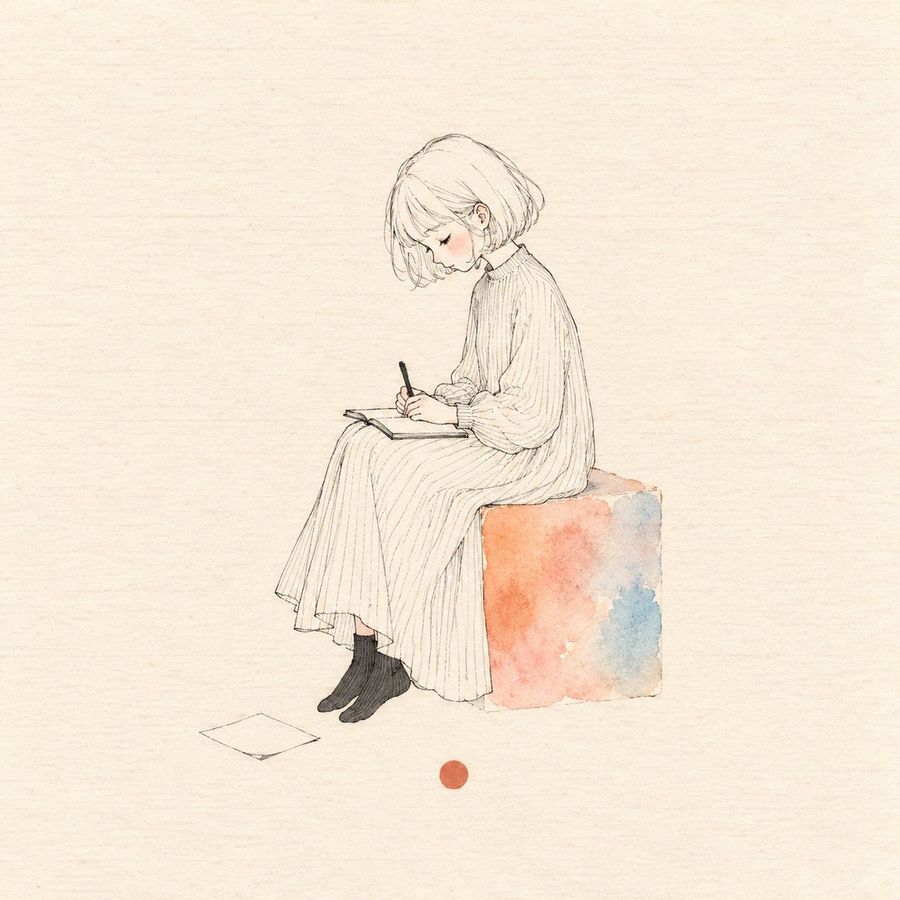
Watercolor Girl Writing on Cube
View full prompt & copy

A delicate watercolor and ink illustration of a young woman with short, light-colored bob hair sitting in profile on a cube-shaped stool. She is wearing a long, flowing dress with fine vertical pinstripes and dark socks, looking down as she writes in an open notebook resting on her lap. The stool features soft washes of coral pink and pale blue watercolor. On the floor near her feet are two small geometric shapes: a simple outlined square and a solid red circle. The background is a textured cream paper color, creating a minimalist, serene, and artistic atmosphere.

Generate image
GPT Image 2
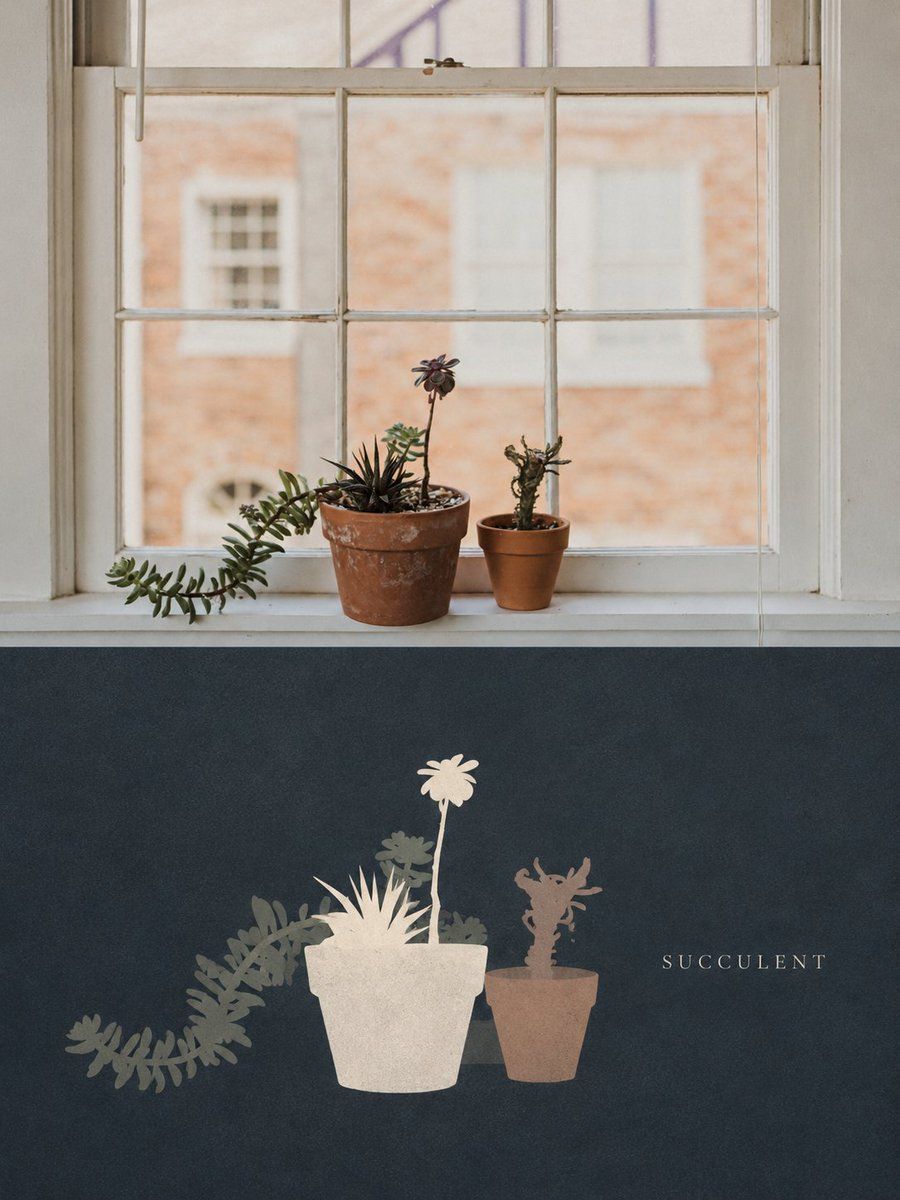
Dark Silhouette Poster Design from Photo
View full prompt & copy

Please turn each uploaded photo into an independent high-end design poster, do not stitch images together, output each photo separately. Use a 3:4 vertical composition, split into two halves like a folded card, with the fold line exactly on the horizontal centerline, both halves equal height, do not draw the fold line itself. Top half retains the original photo, preserving subject identity, structure, pose, realistic texture, natural lighting, and original color atmosphere, only applying slight high-end color grading to give it an art magazine, indie publication, and exhibition image quality. To fit the aspect ratio, naturally extend the environment background but do not stretch, distort, or change the subject; crop as panorama, leave sky above the subject's head, do not crop the top. No text in the top half, all text appears only in the bottom half. Bottom half extracts only the most recognizable **subject, outline, structure, pose, and narrative relationships** from the photo, reconstructing them as a **Flat Silhouette Still Life on a Dark Ground**. Do not copy the photo completely, but compress the subject and a few adjacent items into flat silhouettes without outlines or internal details, making the correspondence with the top photo immediately identifiable. **Must have several unoutlined flat silhouettes overlapping into a cluster standing on a solid dark background, with only one block noticeably brightest, popping out as if lit**, this defines the style, missing it fails. Bottom half requires new artistic judgment. Even if the original has poor composition, messy background, or small subject, save it by **removing environment, converting to front/side view, moving scattered items close into a cluster**; arrange silhouettes of varying heights staggered, as if quietly placed on an invisible surface. If the photo is a scene (street, corridor, landscape, interior), take only the most representative single object or fragment, do not draw the rest, do not draw the whole scene. Form focuses on **unoutlined front/side silhouette blocks**: each shape expressed with one color block, soft edges with slight hand-cut undulations, almost no internal structure, only using darker same-color small blocks where necessary to indicate openings, gaps, or turns. People, animals, buildings, objects, plants, and landscapes are unified into flat front or side silhouettes, depth read only through occlusion and color shade, no perspective or projection. Texture is **fine dry-brush gouache granules**: dark background and each silhouette covered with very fine powdery speckles, making color surfaces soft and slightly velvety; stop here, no scratches, stains, folds, or aging effects. Composition uses **a medium-sized silhouette cluster + large dark negative space**. Bottom half drawn as **panorama**, as if photographer stepped back, subject complete with empty space around, smaller than intuition suggests; **leave sky** above subject, like mounting header wider than footer, nothing touches the central fold. Silhouette cluster slightly off-center, base line on invisible horizontal, other side left for text. Prefer things quietly crowded together rather than spread across the canvas. Color extracted from the top photo's most emotional hues, remixed into **deep ground plus low-saturation pink-grey blocks**: darkest photo color further dimmed keeping some hue as majority background; other colors desaturated mixed with grey/white becoming soft pink-grey blocks; only one block lifted brightest near warm-white, sole highlight. Adjust warmth/coolness per photo, avoid pure black, high saturation, and gradients. Text minimal editorial intervention, any language, no fixed title. Only one short name or word taken from specific things, places, actions, or details in the photo, no subtitles or second lines; text very small, much smaller than subject, using **thin serif uppercase glyphs** in dark space beside silhouette cluster, color one shade lighter than brightest, separated by quiet distance. No generic inspirational slogans. Overall like a still life illustration in indie publication or art postcard: dark ground, unoutlined silhouettes, overlapping layers, one bright color plane and thin small text composing quiet, warm, slightly nocturnal atmosphere. Avoid full scene replication, filled backgrounds, cartoonish feel, template poster look, avoid isolated silhouettes, adding outlines, multiple equally bright blocks without focus, 3D lighting, vivid candy colors, and overly neat vector edges.
Generate image
Nano Banana Pro
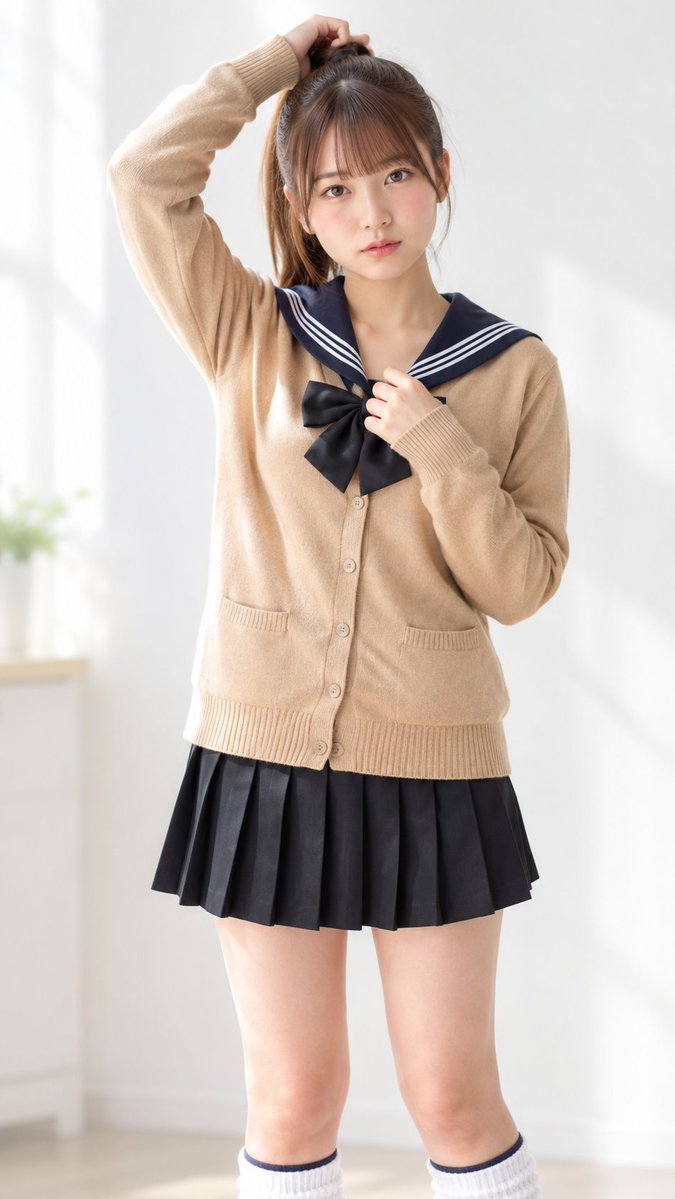
Ponytail Portrait Prompt
View full prompt & copy

[Overall Theme] An eye-level medium shot capturing a young woman with a calm expression in a bright, minimalist interior. [Subject - Face & Clothing] Refer to the attached image for face and clothing. [Subject - Expression] A gentle, pensive expression, eyes directed towards the viewer ahead, mouth closed. [Action] Right hand grasping hair above the head for a ponytail, left hand lightly placed on the chest at the collar, torso facing straight forward, weight supported by both feet on the floor. [Subject - Pose] Right arm raised and bent at the elbow, hand grasping a bundle of hair near the crown. Left arm bent, fingers touching clothes near the center of the chest. Head slightly tilted. Shoulders level. Body kept vertical, weight evenly distributed on both feet placed on a flat floor. [Composition & Photography] Eye-level medium shot with subject centered. Shallow depth of field softly blurring the white wall background. Natural window light from the side. [Light & Atmosphere] Softly diffused natural light creating gentle shadows on the person and wall, evoking a clean and airy daily atmosphere. Photorealistic. RAW photo. Smooth, glowing skin. Create a vertical portrait image with aspect ratio 9:16 optimized for smartphone screens.

Generate image
GPT Image 2.5
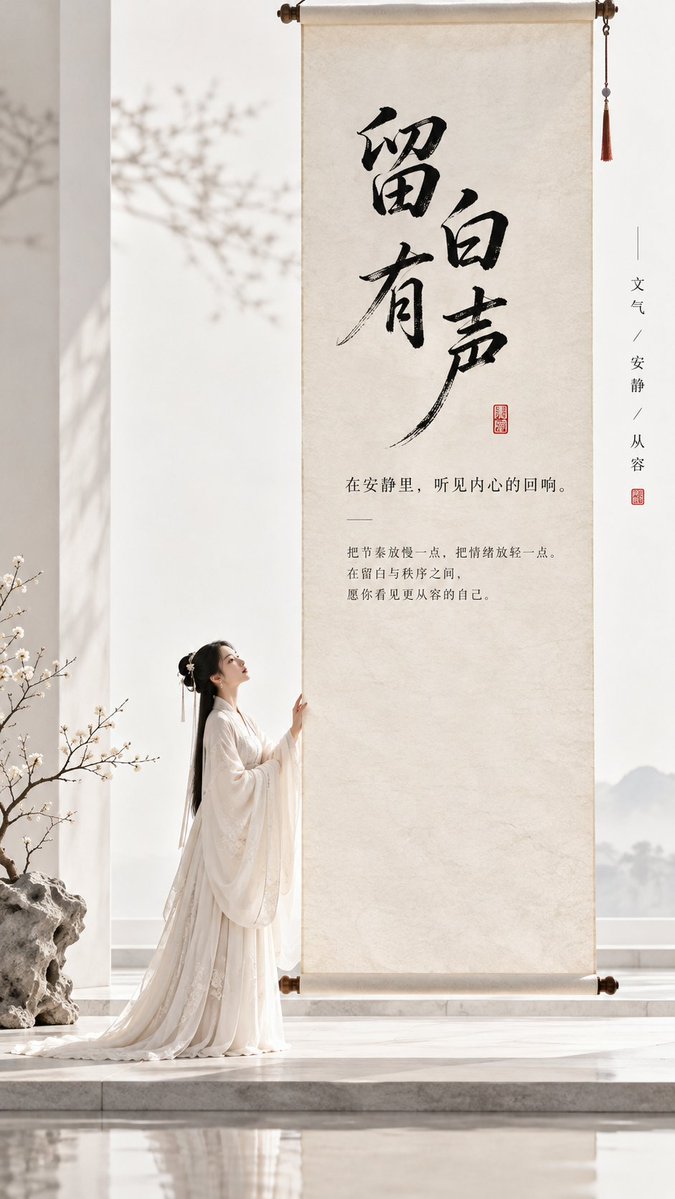
Zen minimalist aesthetic poster
View full prompt & copy

Theme Direction: Eastern Zen minimalist cover poster Style Branch: Literary high-dissemination type Main Content: An ancient-style woman standing beside a huge hanging scroll, raising hand to lightly touch scroll edge Emotional Motif: Quiet, literary, light ritual sense Scene & Imagery: Huge blank scroll, woman, white space, small amount of red marks, light-colored platform Composition & Space: 9:16 vertical composition, scroll hangs from top penetrating middle forming huge vertical visual subject, person located lower side, top and other side can serve as title area Color Control: Rice paper white as overall high-brightness base, cinnabar red used only for one small mark or scroll end accent, light ink gray for minimal structural lines, person's clothing suggested light beige white; avoid whole image graying or excessive ink-wash style Light & Texture: Clear soft light, scroll edges clear, light paper surface texture, modern Eastern minimalist poster feel Aspect Ratio: 9:16 Additional Requirements: Scroll itself should not contain large amounts of text, focus is relationship between blank big scroll and person, cover feel must be strong, appropriate text placed in whitespace areas

Generate image
GPT Image 2
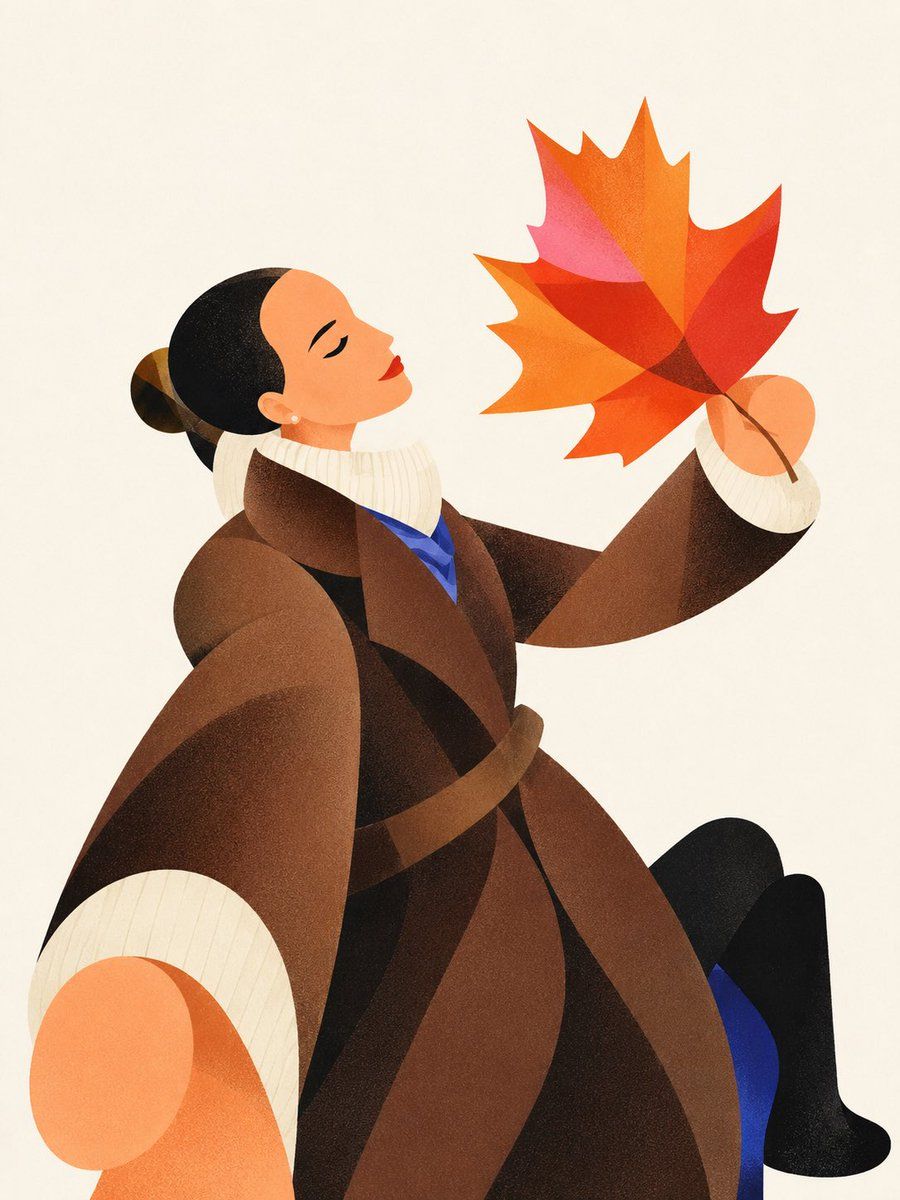
Geometric Editorial Poster Prompt
View full prompt & copy

Create a finished editorial character poster inspired by the uploaded reference image. Preserve the recognizable identity, hairstyle, clothing details, pose, and important visual characteristics of the subject while translating them into a sophisticated flat geometric illustration. FORMAT LOCK Vertical 3:4 composition. Edge-to-edge warm off-white paper background. One standalone poster. Clean editorial layout. CHARACTER One adult character constructed from a few oversized asymmetric geometric shapes. Slightly exaggerated proportions, small head, elongated capsule-like limbs, simple mitten-style hands, and one oversized object integrated naturally into the pose and silhouette. Preserve the subject's recognizable appearance while simplifying details into graphic shapes. STYLE Flat geometric illustration, asymmetric proportions, crisp color blocks, soft airbrushed shading, subtle dark-to-color spray gradients where shapes overlap, fine print grain, delicate stippling mostly inside darker areas, refined contemporary editorial poster aesthetic. FACE & EXPRESSION Minimal black cut-paper facial features: simple crescent eyes and minimal mouth. The emotion should be communicated primarily through the character's full-body gesture and silhouette rather than detailed facial expression. PALETTE Warm off-white #F3F1EB, near-black ⁠10100F, hot pink #F553D2, warm red #F42726, cobalt ⁠293EA1, emerald ⁠13785D. Keep colors flat and graphic with controlled soft gradients only where forms overlap. Keep the character and oversized object as the main visual focus. Use generous negative space and a balanced editorial arrangement. The object should visibly affect the overall silhouette and feel integrated into the character's pose. NEGATIVE PROMPT No extra text, logos, outlined cartoon style, glossy 3D, realistic skin, photorealism, coarse canvas texture, busy background, extra limbs, distorted anatomy, excessive facial detail, photorealistic shading, random objects, clutter, watermark.

Generate image
GPT Image 2.5
Zen Minimalist Poster Design
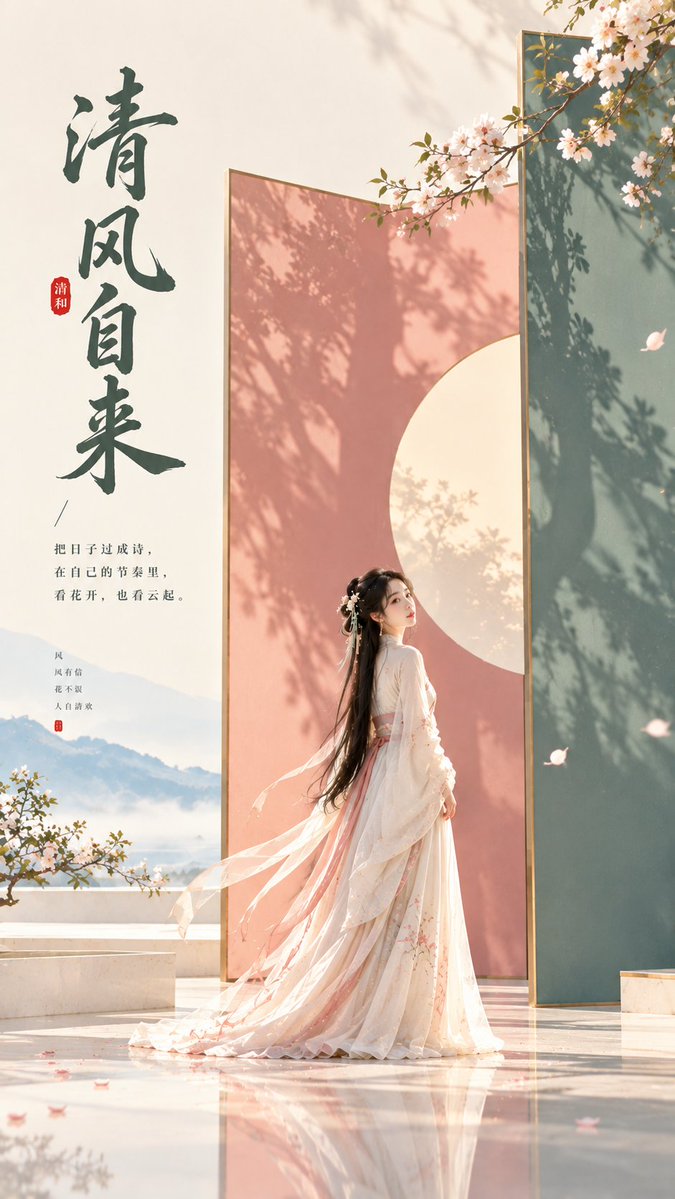
View full prompt & copy

Theme direction: Eastern Zen minimalist cover poster. Style branch: Female aesthetic high-virality type. Main content: A woman in ancient style standing in front of a minimalist folding screen, slightly turned sideways, quiet posture. Emotional motif: Elegant, composed, refined feeling. Scene and imagery: Large folding screen, geometric color blocks, woman, light-colored floor, few shadows. Composition and space: 9:16 vertical composition, folding screen located in the upper-middle forming large geometric main structure, person located below center, continuous title area reserved at top and one side. Color control: Cream white as base, bean paste pink and mist cyan used for two or three main color surfaces of the screen respectively, pearl white suggested for person's clothing; avoid monochromatic whole image, keep clear division of color blocks. Lighting and texture: Bright soft light, sharp edges, flat poster texture, low grayscale. Aspect ratio: 9:16. Additional requirements: Folding screen should be simple large blocks, no traditional complex patterns, overall should have high-attractiveness cover appeal, appropriate text placed in blank areas.

Generate image
GPT Image 2
GPT-Image Coffee Japanese Editorial Poster Prompt
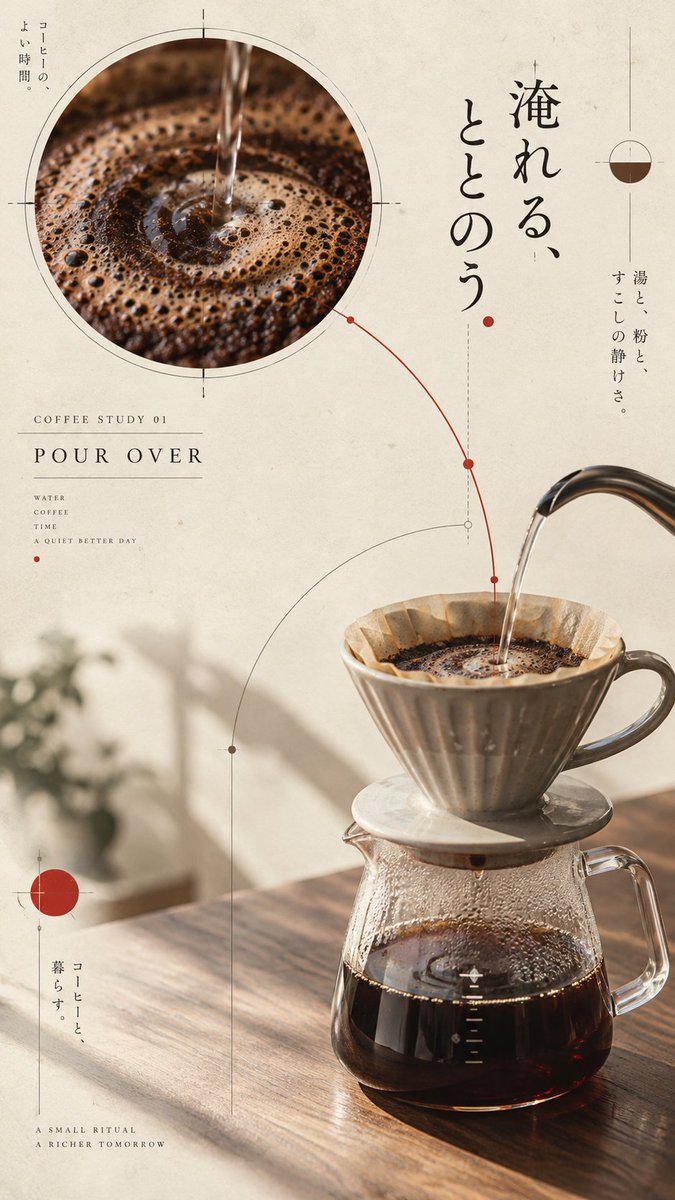
View full prompt & copy

Create 4 independent "Japanese Editorial Coffee Posters" belonging to the same series, but each must have different subject representations, composition paths, and visual events; do not just change colors or brand names. All four images share the visual language of modern Japanese museum publications, independent design exhibition posters, and restrained editorial design. The aspect ratio is unified as 9:16 vertical portrait, output independently without collage. The background is unified as warm ivory paper with very subtle real paper fibers and low-intensity printing grain. Use a palette of warm ivory, ink black, coffee brown, and a touch of dark vermilion; neon, high-saturation gradients, and commercial gloss are prohibited. All posters use a few circular visual anchors, thin measurement lines, arcs, registration marks, and structural markers. Lines must serve the subject and reading path, not become random decoration. Text uses only short, readable English labels; do not generate long pseudo-text, random logos, QR codes, or watermarks. Image 1: Pour-over coffee. Ceramic dripper and glass server in a calm three-quarter tabletop view. Top left features a large circular detail showing coffee bloom and concentric ripples; bottom right shows real equipment; water flow is translated into a measurement arc. Add short label "COFFEE STUDY 01 / POUR OVER". Image 2: Cold brew coffee. Transparent tall cup of iced coffee on the left, add a vertical slice showing layers of coffee, ice, and reflections; use fine vertical lines to establish a cool rhythm. Add short label "COFFEE STUDY 02 / COLD BREW". Image 3: Latte. Handmade ceramic cup at bottom right, behind it place an offset disc cropped by the edge, echoing milk foam swirls; add two small material detail circles. Add short label "COFFEE STUDY 03 / MILK FORM". Image 4: Coffee beans and tools. Roasted beans, hand grinder, metal scoop, and folded paper bag form a diagonal object map in isometric three-quarter view; thin outlines and route nodes connect objects, retaining large white space. Add short label "COFFEE STUDY 04 / ORIGIN / TOOL / ROAST". All four images must maintain realistic textures of coffee, glass, ceramic, metal, paper, and wood; clear subjects, natural lighting, mature editorial typography. Prohibit ordinary cafe menus, messy collages, fixed grids, average layouts, cheap plastic 3D, complex UI, garbled text, excessive props, and watermarks. Final output is 4 independent 9:16 posters, maintaining series unity while ensuring distinct differences in subject, composition, visual focus, and interaction mechanisms.

Generate image
GPT Image 2.5
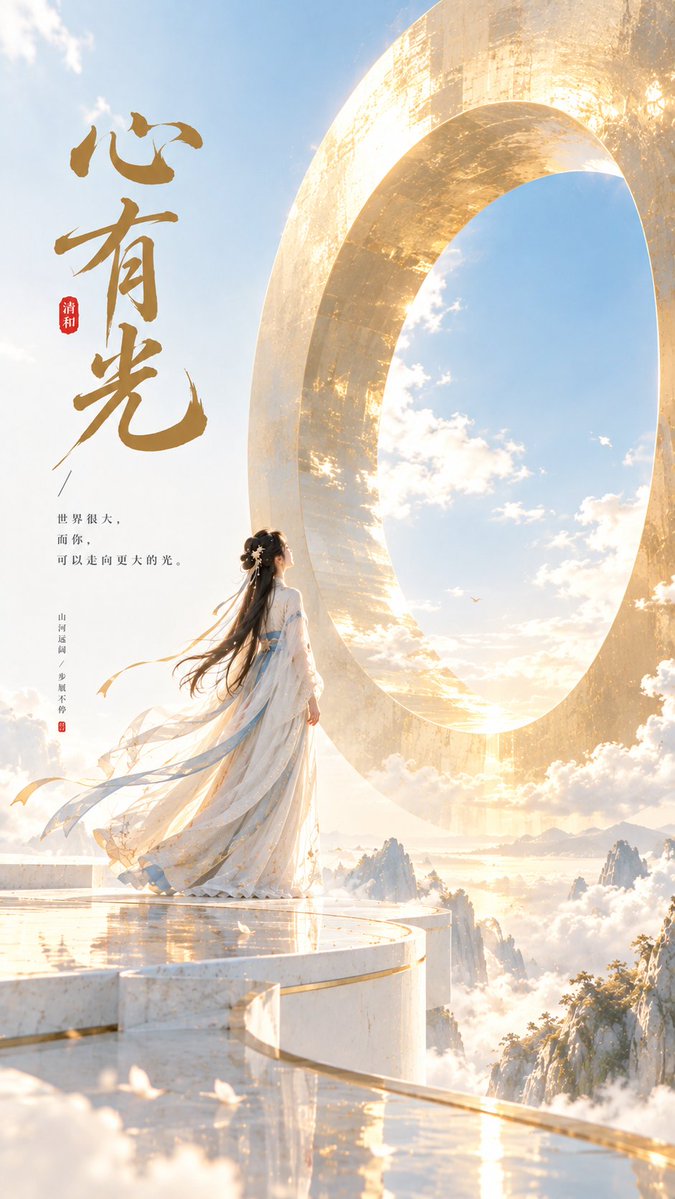
Zen Minimalist Poster Light in Heart
View full prompt & copy

Theme direction: Eastern Zen minimalist cover poster Style branch: High-propagation geometric type. Main content: An ancient-style woman standing on the edge of a white high platform, looking sideways at a huge golden ring behind her Emotional motif: Clear-minded, upward-looking, ritualistic. Scene and imagery: Huge hollow golden ring, white high platform, woman, small amount of distant sky, large whitespace. Composition and space: 9:16 vertical composition, huge golden ring located in the upper-middle part as the first visual center, character located lower to one side, top and sides reserved for complete title area. Color control: Pearl white as high-brightness spatial base, champagne gold for the huge ring, extremely light sky blue for background sky transition, character clothing suggested in moon-white or light apricot-white; avoid overall image turning gold. Lighting and texture: Bright daylight, clear contours, light flat poster feel, modern Eastern minimalist texture. Aspect ratio: 9:16 Additional requirements: The golden ring must form a very strong cover memory point, the image is minimalist and atmospheric, no complex decorations or architectural details, suitable text placed in the whitespace areas.

Generate image
GPT Image 2
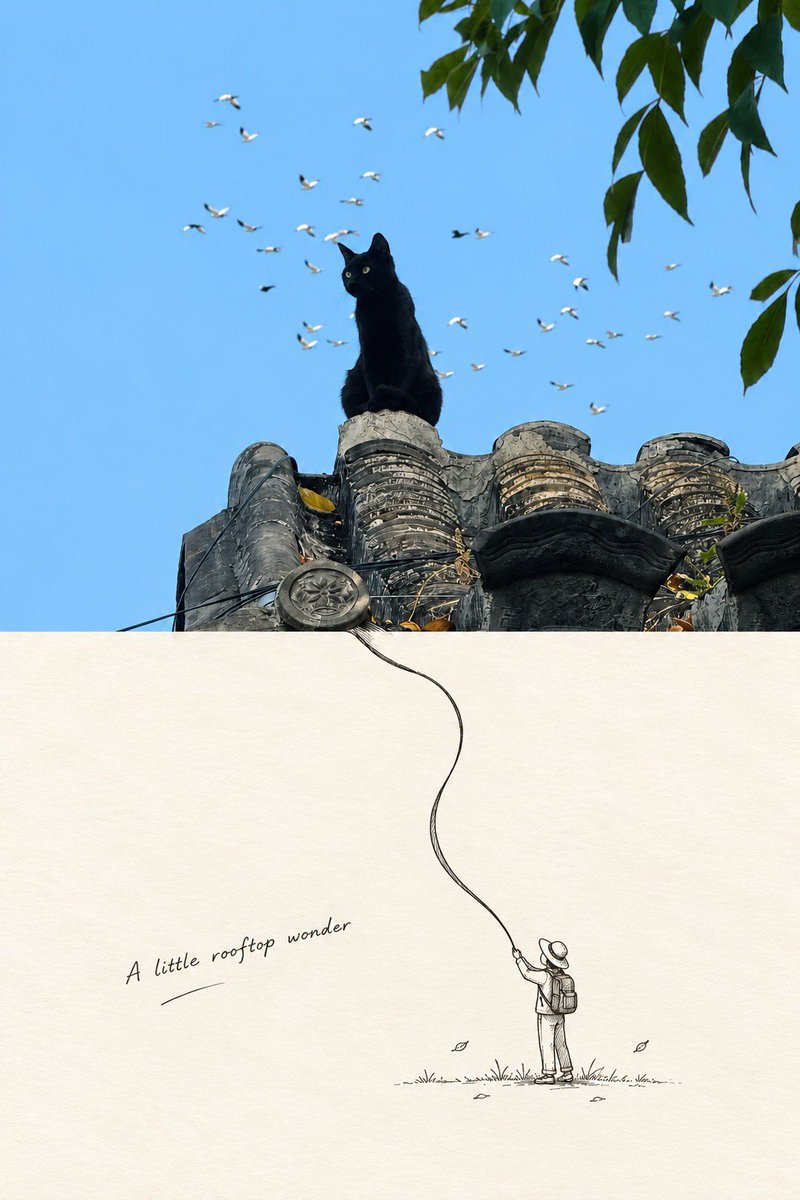
Minimalist Editorial Art Poster with Photo and Ink Illustration Split
View full prompt & copy

Use the uploaded image as the primary visual reference. Create a premium minimalist editorial art poster combining photorealistic nature photography with delicate hand-drawn ink illustration. COMPOSITION: Strict vertical 2:3 format with an exact 50/50 horizontal split. The upper half features realistic photography; the lower half features minimalist illustration on warm ivory paper. Maintain a clean, precise division. UPPER HALF — PHOTOGRAPHY: Preserve the original subject's identity and defining characteristics. Use natural lighting, intricate textures, authentic colors, cinematic depth, and a peaceful, nostalgic atmosphere inspired by premium travel photography. LOWER HALF — ILLUSTRATION: Seamlessly continue elements from the photograph into a delicate black-and-white pen-and-ink illustration. Use fine lines, subtle crosshatching, and a minimalist Japanese editorial aesthetic. Include a tiny human figure only when appropriate. Add sparse environmental details and generous negative space. PAPER TEXTURE: Use warm ivory handmade paper with subtle grain and natural fibers, avoiding pure white. TYPOGRAPHY: Add one short, original poetic English phrase in elegant handwritten cursive, with a subtle underline. Use understated dark-gray ink and position it naturally within the lower half's negative space. ART DIRECTION: Japanese minimalist design, quiet luxury, poetic storytelling, soft nostalgia, organic transitions, and collectible art-print quality. IMPORTANT: Adapt naturally to the uploaded subject without introducing unrelated elements. Keep the upper half richly detailed and the lower half airy and understated. Ensure authentic hand-drawn linework, balanced composition, and legible typography. No logos, watermarks, borders, clutter, or extra text. OUTPUT: One high-resolution vertical 2:3 poster with an exact 50/50 split between photorealistic photography and minimalist ink illustration.

Generate image
GPT Image 2.5
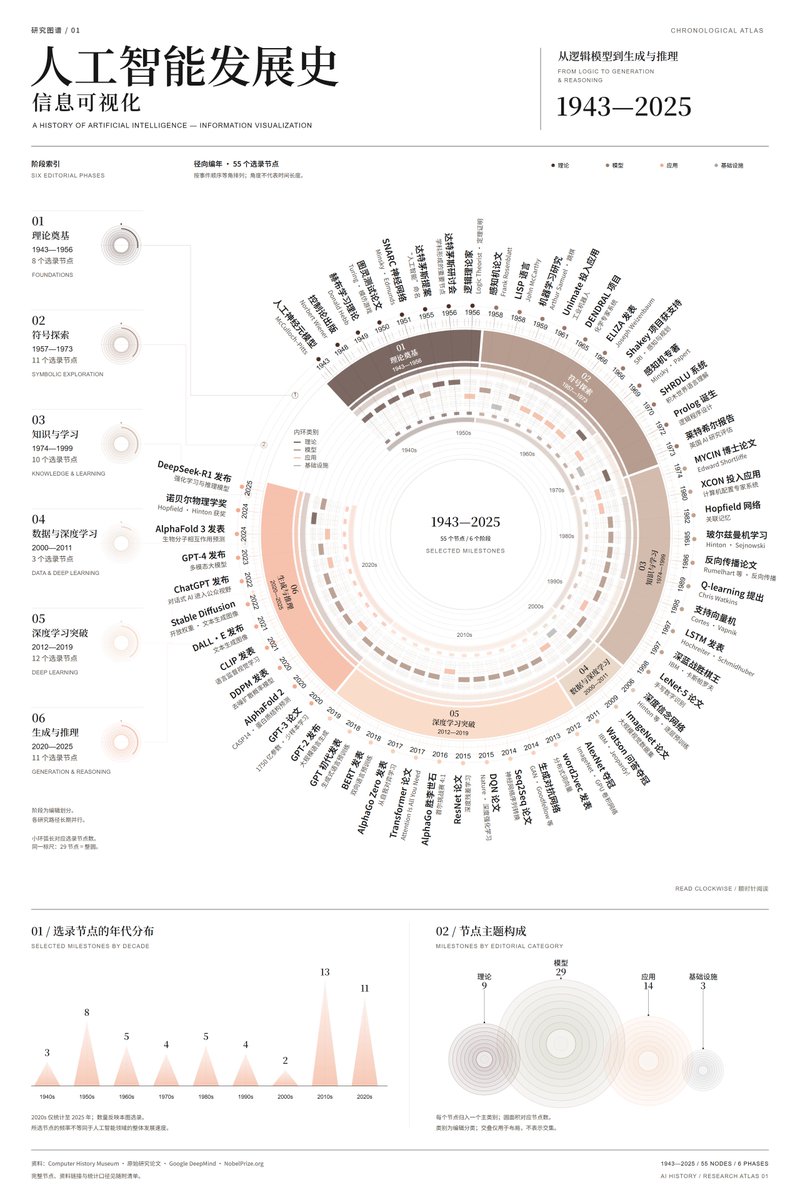
AI History Chronological Atlas Infographic
View full prompt & copy

Goal: Create a sophisticated, high-density chronological atlas infographic visualizing the history of Artificial Intelligence from 1943 to 2025. Canvas: Vertical layout with a clean, academic aesthetic. Background is off-white/light gray. Primary colors are muted earth tones (terracotta, beige, dark brown) and black text. Layout: The design is divided into three main sections: a header, a central radial visualization, and a footer with statistical breakdowns. Header Section: - Top Left: Large Chinese title "人工智能发展史" (History of AI), subtitle "信息可视化" (Information Visualization). English subtext: "A HISTORY OF ARTIFICIAL INTELLIGENCE — INFORMATION VISUALIZATION". - Top Right: A boxed section titled "从逻辑模型到生成与推理" (From Logic Generation & Reasoning) with the date range "1943—2025" in large serif font. - Legend: Small dots indicating categories like Theory, Model, Application, Infrastructure. Central Radial Visualization (The Core): - Structure: A complex concentric circular chart (radial timeline). - Center: Text "1943—2025" and "55 SELECTED MILESTONES". - Rings: Multiple concentric rings representing decades (1940s to 2020s moving outward/inward depending on specific layer logic, but generally chronological flow). - Segments: The circle is divided into 6 colored arcs corresponding to historical phases. Labels for these phases appear on the left side as a vertical list: 1. 理论奠基 (Foundations) 1943-1956 2. 符号探索 (Symbolic Exploration) 1957-1973 3. 知识与学习 (Knowledge & Learning) 1974-1999 4. 数据与深度学习 (Data & Deep Learning) 2000-2011 5. 深度学习突破 (Deep Learning Breakthrough) 2012-2019 6. 生成与推理 (Generation & Reasoning) 2020-2025 - Data Points: Numerous small labels radiating outwards or placed along the rings, citing specific milestones. Examples visible include: "McCulloch-Pitts", "Turing Machine", "Perceptron", "ELIZA", "Expert Systems", "Backpropagation", "AlexNet", "AlphaGo", "Transformer", "GPT-3", "ChatGPT", "Sora". Footer Section: - Bottom Left: Bar chart titled "01 / 选录节点的年代分布" (Selected Milestones by Decade). Shows counts per decade (e.g., 8 in 1950s, 13 in 2010s). - Bottom Right: Bubble/Donut chart titled "02 / 节点主题构成" (Milestones by Editorial Category). Four circles sized by count: Theory (9), Model (29), Application (14), Infrastructure (3). Visual Style: Swiss International Design style. High contrast typography. Use thin lines for connectors. Clean sans-serif fonts for data, serif for titles. Professional, editorial look.

Generate image
GPT Image 2
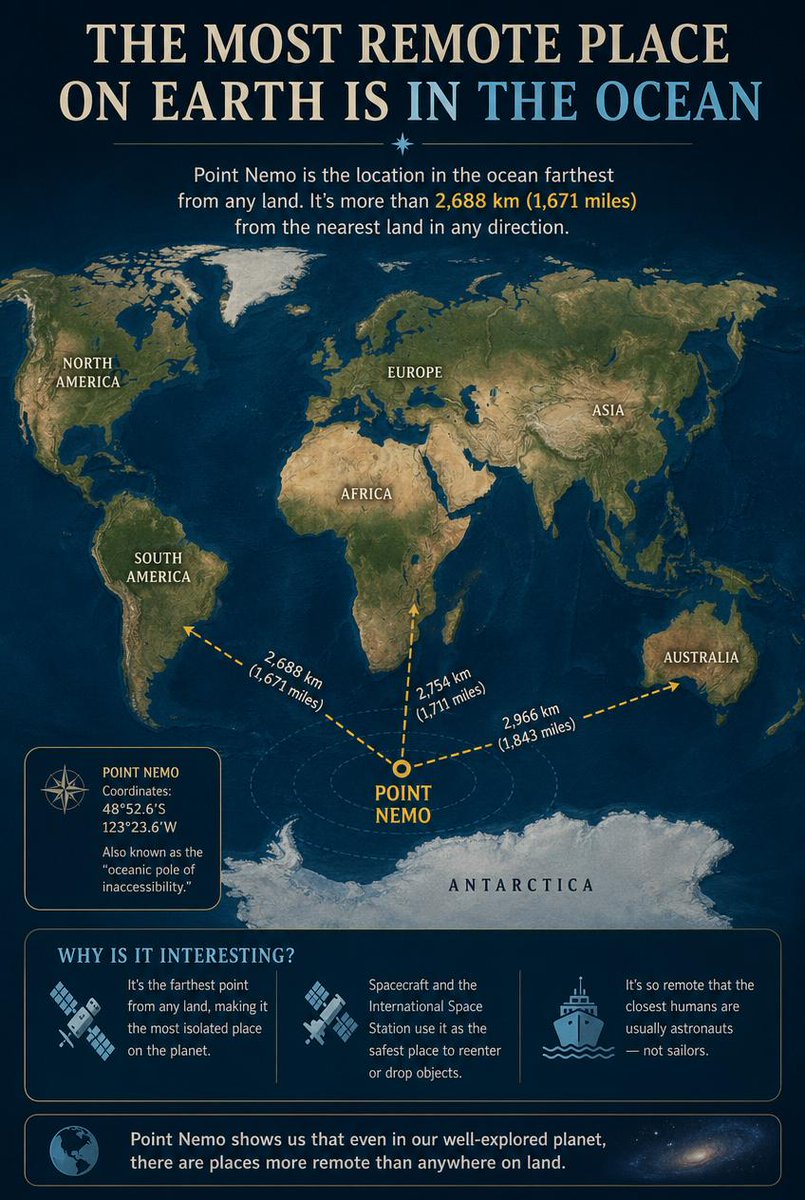
Point Nemo Infographic
View full prompt & copy

Goal: Create an educational infographic explaining Point Nemo, the most remote place on Earth located in the ocean. Canvas: Vertical portrait layout with a deep navy blue background and a subtle starry night sky texture at the top. The style is clean, modern, and informative, using gold and white text for high contrast. Layout: 1. **Header:** Large serif title "THE MOST REMOTE PLACE ON EARTH IS IN THE OCEAN" (with "IN THE OCEAN" highlighted in light blue). Below it, a small introductory paragraph defining Point Nemo as the location farthest from land, mentioning the distance of 2,688 km (1,671 miles). 2. **Central Map:** A stylized world map centered on the South Pacific Ocean. Continents are rendered in muted earth tones (greens, browns) against dark blue oceans. Labels include NORTH AMERICA, SOUTH AMERICA, EUROPE, ASIA, AFRICA, AUSTRALIA, and ANTARCTICA. 3. **Data Visualization:** A bright yellow dot marks "POINT NEMO" in the ocean south of Easter Island. Three dashed yellow arrows radiate from this point to the nearest landmasses, labeled with distances: "2,688 km (1,671 miles)" to Antarctica, "2,754 km (1,711 miles)" to South America, and "2,966 km (1,843 miles)" to Australia. 4. **Info Box (Left):** A rectangular box with a compass icon containing the coordinates "48°52.6'S 123°23.6'W" and the nickname "oceanic pole of inaccessibility." 5. **Bottom Section:** A section titled "WHY IS IT INTERESTING?" with three columns featuring icons and text: - Icon: Satellite dish. Text: "It's the farthest point from any land, making it the most isolated place on the planet." - Icon: Space station/satellite. Text: "Spacecraft and the International Space Station use it as the safest place to reenter or drop objects." - Icon: Ship. Text: "It's so remote that the closest humans are usually astronauts — not sailors." 6. **Footer:** A concluding statement next to a globe icon: "Point Nemo shows us that even in our well-explored planet, there are places more remote than anywhere on land." Visual Style: Professional infographic design. Use clear sans-serif fonts for body text and serif fonts for headings. Ensure the map projection clearly highlights the isolation of the central point.

Generate image
GPT Image 2.5
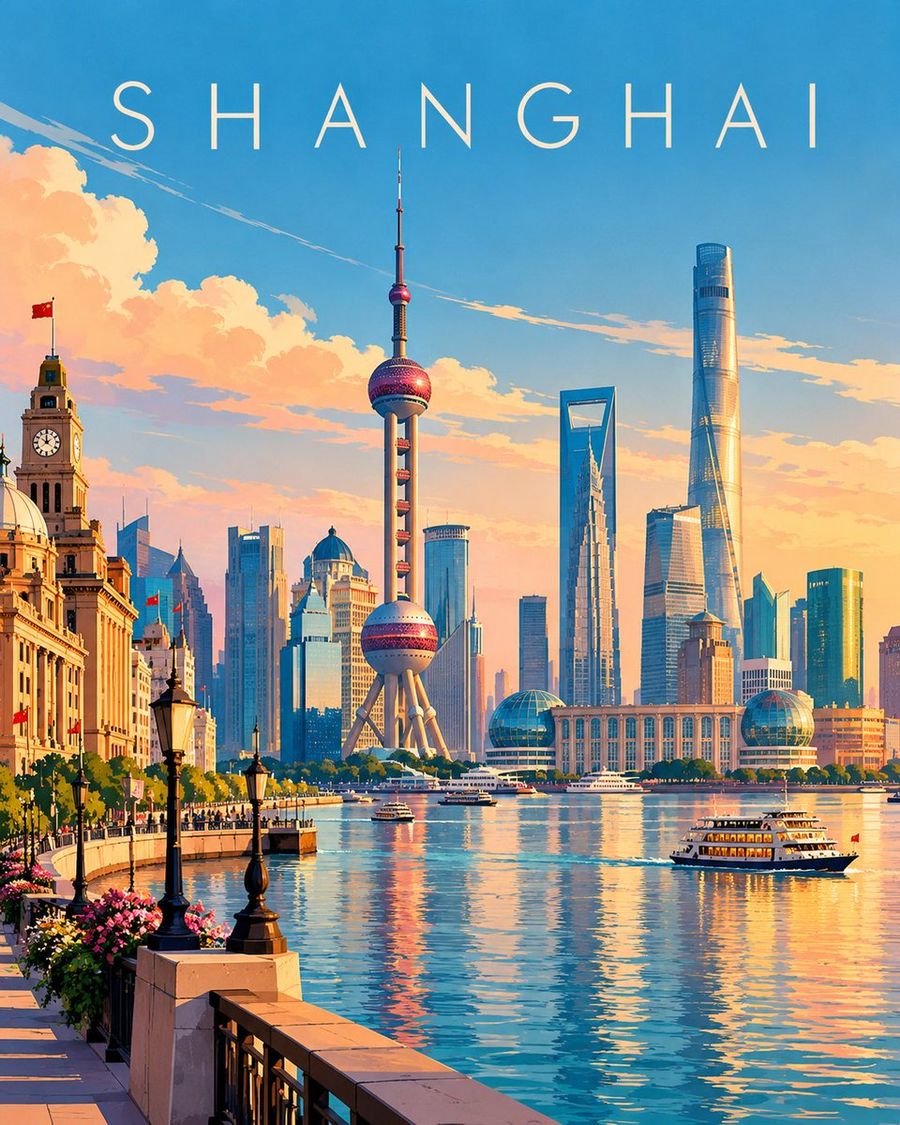
Modern European Travel Illustration
View full prompt & copy

Create a premium FULL-FRAME 4:5 vertical contemporary travel illustration for [COUNTRY / CITY / LOCATION / SUBJECT]. TEXT-TO-IMAGE ONLY — generate everything from the destination name alone. No reference image required. CORE CONCEPT: Create an elegant modern European editorial travel poster featuring the destination’s most recognizable landmark, authentic architecture, and surrounding landscape. Use one coherent viewpoint with a clear foreground, beautifully simplified central scene, and spacious background. STYLE: Sophisticated geometric illustration, clean architectural shapes, smooth color fields, minimal details, flat shadows, and refined composition. Preserve recognizable local character while simplifying complex scenery into elegant visual forms. COLOR PALETTE: Luminous turquoise, powder blue, warm ivory, soft peach, muted coral, sage green, and deep teal. Adapt naturally to the destination. TYPOGRAPHY: Place only “[DESTINATION NAME]” near the top in refined, widely spaced contemporary sans-serif lettering. FINAL AESTHETIC: Understated elegance, luminous colors, architectural rhythm, generous negative space, and premium collectible travel-poster design. AVOID: Photorealism, 3D, fantasy architecture, clutter, heavy outlines, metallic effects, borders, mockups, extra text, logos, and watermarks. FORMAT: Exact 4:5 vertical aspect ratio, full-bleed artwork, high resolution.

Generate image
GPT Image 2
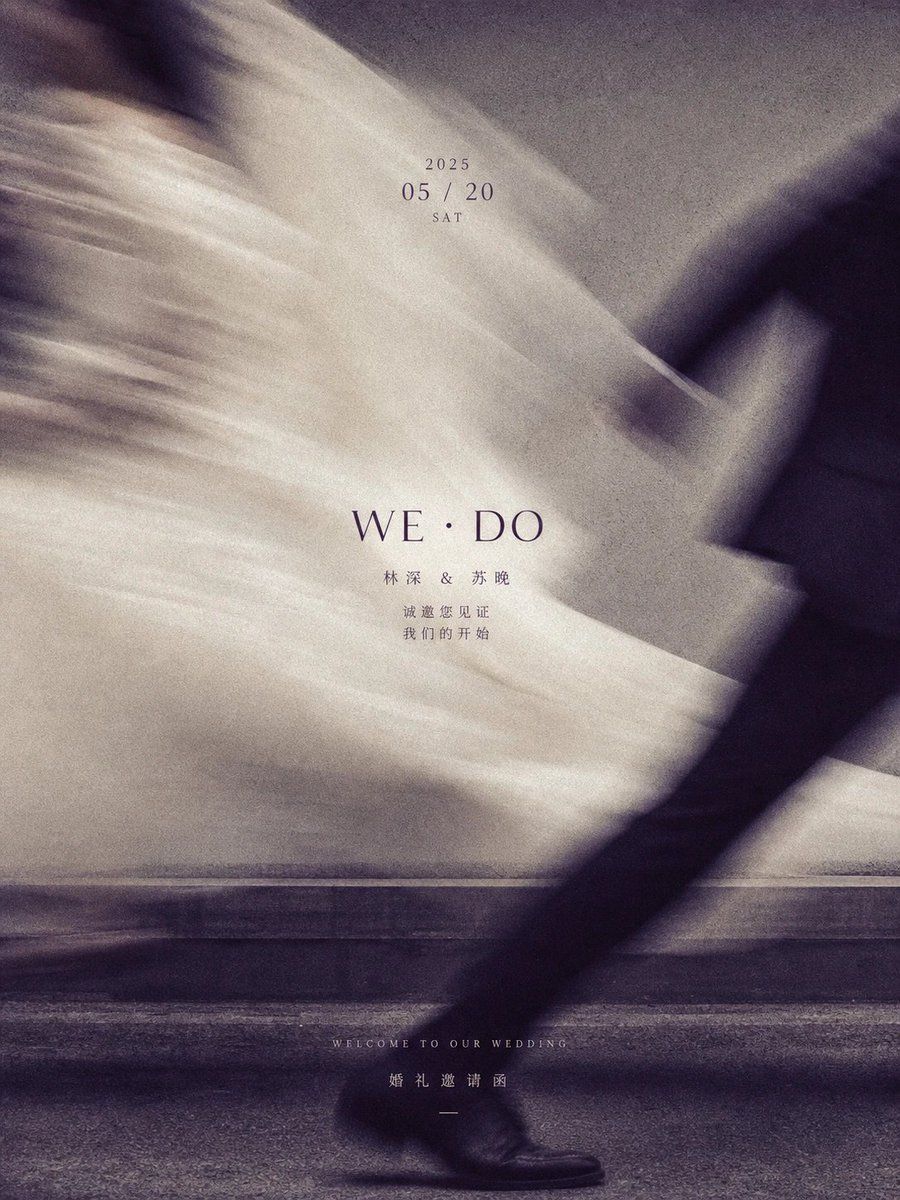
Artistic Motion-Blur Wedding Invitation Poster
View full prompt & copy

Create a vertical wedding invitation poster with an artistic, high-fashion aesthetic. The background features a motion-blurred black-and-white photograph of a couple walking past each other; the bride's white dress creates a sweeping, ethereal blur across the left and center, while the groom's dark suit leg is visible on the right. Overlay elegant typography in the center: '2025' above '05 / 20' and 'SAT'. Below that, large serif text reads 'WE · DO', followed by Chinese names '林深 & 苏晚' and smaller text '诚邀您见证 我们的开始'. At the bottom, include small English text 'WELCOME TO OUR WEDDING' and Chinese text '婚礼邀请函'.

Generate image
Loading more prompts

FAQ

Where do YouMind prompts come from?
YouMind curates high-signal AI prompt examples from creator communities and public creative workflows. The library focuses on prompts that are useful to inspect, reuse, and adapt.
How are image prompt categories organized?
Image prompts are grouped into use cases, styles, and subjects. Use cases describe the job to be done, styles describe the visual treatment, and subjects describe what the image is mainly about.
How are prompts assigned to categories?
YouMind uses AI to analyze each image prompt, its title, metadata, and generated result when available, then assigns the closest categories. Editors can refine categories as the taxonomy evolves.
What is YouMind?
YouMind is an AI workspace for turning research, ideas, and creative references into usable outputs. The prompt library is one public part of that workflow, built to help creators learn from strong examples faster.