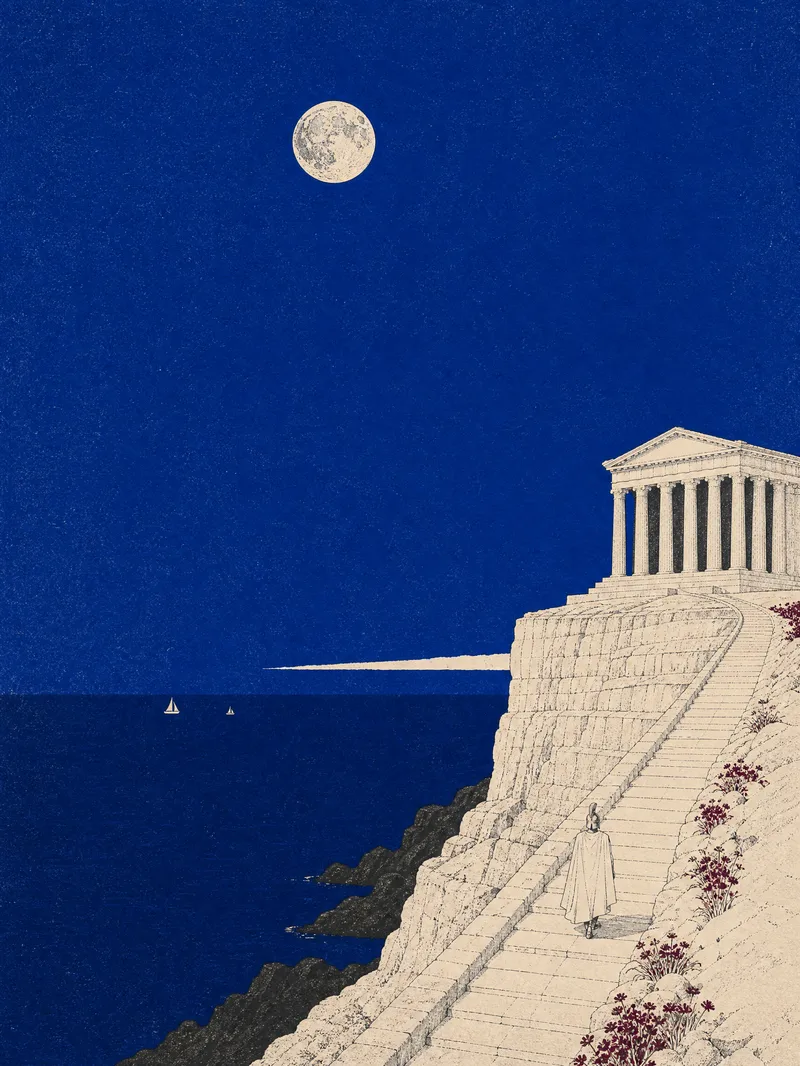
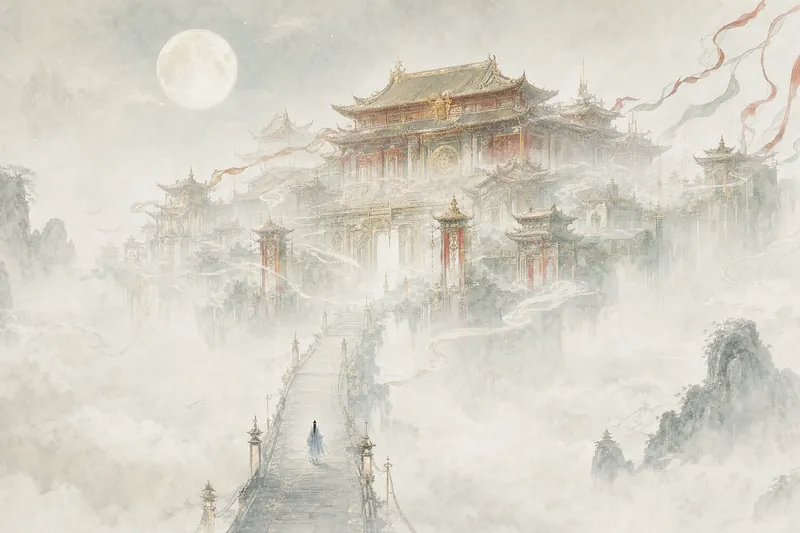
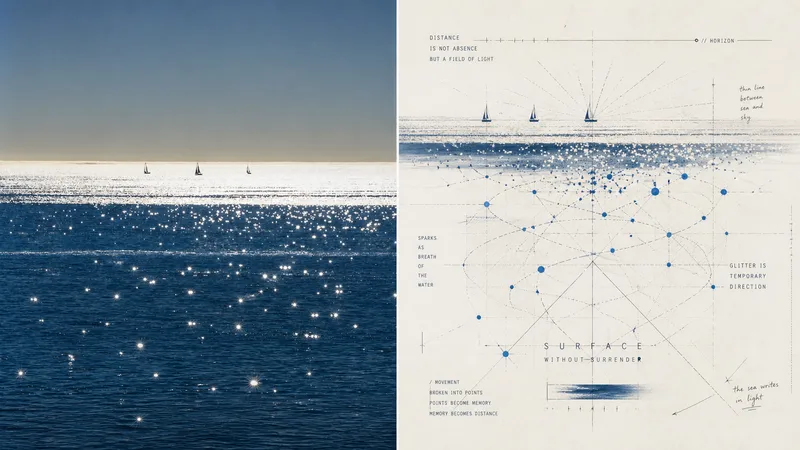
Fantasy map illustrations
Instructions
#Fantasy Map Illustration Generator Skill
## Skill Description
Transform any geographical, conceptual, or thematic content provided by users into images in a fantasy map illustration style. Based on the aesthetics of classic nautical maps, it blends color narrative, symbolic design, and hand-drawn textures to create visual works with a sense of exploration and mystery.
---
## Execution Process
### Step 1: Understanding and Extracting User Content
**Task:** Conduct in-depth analysis of user-provided content and extract core elements.
**Dimensional Extraction**:
- **Geographical Prototypes**: Identifying real-world geographic regions (provinces/cities/countries) or abstract spatial concepts.
- **Key Areas**: Extract the main partitions, locations, and nodes (3-8 is recommended).
- **Regional Characteristics**: Core attributes, cultural features, and functional positioning of each region
- **Connections**: Geographical relationships, logical connections, and hierarchical structures between regions
- **Thematic tone:** The overall emotional atmosphere, historical context, and cultural background.
**Output**: Summarize and refine the results using a concise, structured description.
---
### Step 2: Design Concept of Style Integration
**Task:** Transform the extracted content elements into the visual language of a fantasy map.
**Integration Strategy**:
1. **Media Selection**: Choose an appropriate map media (parchment scroll/nautical chart/interface from an ancient book) based on the theme.
2. **Symbolic Translation**: Transform each area into 1-2 iconic visual symbols.
- Abstract concepts → Concrete architecture/totems/natural elements
- Functional Attributes → Representative Scenes/Creatures/Items
3. **Color Mood Mapping**: Assign a theme color to each area to tell a story through color.
- Analyze area attributes (mysterious/prosperous/dangerous/tranquil)
- Select the corresponding color tone (blue-purple/golden yellow/orange-red/emerald green).
4. **Spatial Layout Planning:** Designing visual circulation and hierarchical relationships.
- The core area is centered or occupies the visual center.
- Connecting different areas using water systems/roads/boundaries
5. **Cultural Localization**: Incorporate cultural elements that align with the theme (Chinese/European/futuristic).
**Output:** Explain the fusion approach and describe the visualization scheme for each area.
---
### Step 3: Structured Design of Prompt Keywords
**Task:** Transform the fusion approach into layered image generation prompts.
**Five-layer structure of prompt words**:
#### Layer 1: Carrier and Texture Layer
plaintext
Ancient [Material Type] with [Antique Effect], [Texture Description]
Ornate compass rose in the corners; [decorative element]
vintage [style positioning] aesthetic
```
#### Layer 2: Geographic Structure Layer
plaintext
Fantasy map based on [geographical archetype]
[Main waterways/roads] flowing through as [visual processing],
Distinct regional zones, including [topography list]
```
#### Layer 3: Thematic and Symbolic Layer
plaintext
Transform each zone into themed areas:
- [Region 1 Name] as [Topic Location] with [Symbol Element 1, Symbol Element 2]
- [Region 2 Name] as [Topic Location] with [Symbol Element 1, Symbol Element 2]
- [Region 3 Name] as [Topic Location] with [Symbol Element 1, Symbol Element 2]
Each region is marked by iconic symbolic architecture - [List of Building Types]
```
#### Layer 4: Color Narrative Layer
plaintext
Color-coded storytelling:
[Color1] for [Region1 Attribute],
[Color2] for [Region2 Attribute],
[Color 3] for [Region 3 Attribute],
Flowing [water system colors] connecting all zones,
Glowing [light effect description] on key landmarks
```
#### Layer 5: Art Style Layer
plaintext
Hand-drawn watercolor illustration style with digital clarity,
top-down cartographic view with subtle isometric depth,
rich symbolic details maintaining readability,
[Cultural Style] An aesthetic blended with classical map-making tradition.
[Emotional Atmosphere] Atmosphere with a sense of [Core Feeling]
```
**Output**: Complete structured prompt words
---
### Step 4: Generate Image
**Task:** Use image generation tools to create a fantasy map illustration.
**Execution parameters:**
- **Model**: gemini-3-pro-image-preview (Nano Banana Pro)
- **Aspect Ratio**: Select based on content
- 3:4 or 2:3 (vertical scroll, suitable for a single area or vertical geography)
- 16:9 or 4:3 (horizontal panorama, suitable for multi-area flat laying)
- 1:1 (Square composition, suitable for a central radial layout)
- **Quality**: medium (Standard quality, unless the user explicitly requests high definition)
- **Title:** A descriptive title based on content.
**Output**: Generated fantasy map illustration image
---
## Usage Examples
### Example Input 1: "Worldview Map of China's Four Great Classical Novels"
**Step 1: Refining**
- Geographical prototype: Abstract conceptual space, four major sections
- Key areas: Journey to the West (the journey to the Western Regions), Romance of the Three Kingdoms (the struggle for supremacy in the Central Plains), Water Margin (Liangshan Marsh), Dream of the Red Chamber (Grand View Garden)
- Regional Features: Mythical Adventure, Epic Warfare, Chivalrous Journey, Poetic Gardens
- Connections: The four major sections are equally distributed, connecting the vast river of literature.
- Theme and Tone: Classical Chinese Literature, a Blend of Epic and Poetic Elements
**Step 2 Integration Approach**:
- Medium: Parchment in the style of ancient book inserts
- Symbolization: Journey to the West (Golden Cudgel + Auspicious Clouds), Romance of the Three Kingdoms (Three Kingdoms Standing Tall + Battle Flag), Water Margin (Hall of Righteousness + Wine Jar), Dream of the Red Chamber (Grand View Garden + Red Chamber)
- Colors: Journey to the West golden orange (Buddha's light), Three Kingdoms deep red (war), Water Margin turquoise (jianghu), Dream of the Red Chamber pinkish purple (poetic).
- Layout: The four main sections are arranged in a cross shape, with the "Literary River" system at the center.
- Culture: Traditional Chinese architecture, calligraphy, and seal decoration
**Step 3 Cue Words**: (Omitted, expanded according to the five-layer structure)
**Step 4: Generate**: Call imageGenerate to generate the image.
---
### Example Input 2: “My Career Development Path”
**Step 1: Refining**
- Geographical prototype: Abstract conceptual space, linear development over time
- Key areas: Student years, early career, skills development period, management transition period, expert field
- Regional characteristics: Learning and exploration, practical trial and error, in-depth professional development, leadership, and industry influence.
- Connection relationship: Linear time axis, from left to right or from bottom to top
- Theme: A personal growth epic, filled with adventure and leveling up
**Step 2 Integration Approach**:
- Medium: Scroll in the style of an adventurer's map
- Symbolization: Student (book + lighthouse), newcomer (small boat + compass), profession (tool + castle), management (crown + team), expert (mountain peak + stars)
- Colors: Students: Light blue (enlightenment); Newcomers: Green (growth); Professionals: Golden gold (achievement); Managers: Purple (power); Experts: Platinum (excellence)
- Layout: An ascending path from the bottom left to the top right, with the river representing the flow of time.
- Culture: Modern minimalist symbols + classical map aesthetics
**Step 3 Cue Words**: (Omitted, expanded according to the five-layer structure)
**Step 4: Generate**: Call imageGenerate to generate the image.
---
## Skill Invocation Method
Users simply need to provide the content they want to convert, and Skill will automatically execute a four-step process:
**Input Format:**
- Direct description: "Generate a fantasy map for me [content]"
- Provide materials: Upload documents/images/links, specifying "convert to fantasy map style".
- Concept input: "I want a map illustration related to the [theme]".
**Output content:**
1. Content Extraction and Summary
2. Explanation of the Stylistic Integration Approach
3. Full prompt message display
4. Generated fantasy map illustrations
---
## Precautions
1. **Information density control:** 2-4 key symbols per area to avoid visual overload.
2. **Color Balance:** Ensure overall color harmony and avoid oversaturation.
3. **Cultural Consistency**: All symbolic elements should serve a unified worldview.
4. **Readability First:** Place names are clearly labeled, and the visual hierarchy is distinct.
5. **Iterative Optimization:** After the initial generation, the details of the prompt words can be adjusted based on the results.
---
## Technical Specifications
- **Generative Model: Gemini 3 Pro Image Preview**
- **Recommended Sizes**: 3:4 (Portrait) / 4:3 (Horizontal) / 1:1 (Square)
- **Style Keywords:** fantasy map, ancient parchment, hand-drawn illustration, watercolor texture, cartography aesthetic
- **Essential elements:** compass rose, regional color coding, symbolic landmarks, aged paper texture
- **OPTIONAL ENHANCEMENTS**: glowing effects, mystical borders, calligraphy labels, decorative corners
Description
Transform any concept into a classic fantasy map. Blend nautical aesthetics, symbolic design, and hand-drawn textures to create a visual masterpiece brimming with a sense of exploration and mystery.
Related Skills
View all
ImageExtra Long Poster Generator
This is a GPT planning and generation system specifically designed for creating continuous long posters. It can identify different tasks such as redesign, partial replacement, and template expansion, extract and hierarchically protect key information such as price, name, benefits, and time, and then uniformly plan the information flow, number of segments, and visual master of the entire poster. To use it, simply upload materials and resources, and specify the proportions, style, and intended use. The system will first output a complete plan, and after confirmation, generate posters one by one. It supports content fidelity, master page locking, text whitelisting, poster-by-poster confirmation, automatic proofreading, and splicing checks, reducing issues such as inconsistent styles, text errors, content duplication, and discontinuities, ultimately resulting in a coherent and unified long poster.
ImageAmazing Pet Codex Pro | Pet Codex
Upload a photo of your pet, and AI will automatically analyze its features to generate a Pokémon-style collectible character card—including elemental affinity, personality profile, signature traits, and a pet biography, with rarity randomly selected. Create a personalized magical encyclopedia for your adorable pet. 🐱 Just made one for my orange tabby—AI analyzed its fur color and personality, matched it with Fire affinity, maxed out its gluttony index to 5 stars, and named its signature trait "Snack Radar," lol. 🐶 Made another one for my friend's Corgi, Thunder affinity, legendary level! The rainbow holographic border is breathtaking. What can this skill do? - 📸 Upload photos of any pet (cat/dog/hamster/rabbit/bird) - 🧠 AI analyzes pet characteristics + actively collects personality/habit information to generate a personalized profile - 🔥 Matches 18 elemental affinity types (fire/water/grass/electric/psychic/ghost...) - ⭐ 5 star-level personality profiles (gluttonous/active/clingy/good-looking/destructive) - ✦ 1 signature trait (pet's signature superpower) - 📖 Fun pet biography (based on your pet's real story) - 🎴 Five-tier rarity card draw system: Common → Rare → Epic → Legendary → Mythical Beast, Mythical Beast probability is only 3% - 🔄 You can redraw if you're not satisfied, every time is a brand new card opening experience - 📚 Multiple cards can be combined into a pet collection poster, post it on social media and see what kind of adorable and affectionate pet your furry friend is🎴 Create a unique and magical illustrated guide for your adorable pet.
ImageLittle Red Book trending graffiti cover generator
Based on the original photo's facial expressions, poses, background, and white space, it intelligently performs natural retouching, title design, hand-drawn doodles, sticker outlines, and cover composition, generating realistic, lifelike, and clickable Xiaohongshu-style creative posters. Suitable for knowledge sharing, personal branding, video covers, content publishing, and social media images.
Fantasy map illustrations
Instructions
#Fantasy Map Illustration Generator Skill
## Skill Description
Transform any geographical, conceptual, or thematic content provided by users into images in a fantasy map illustration style. Based on the aesthetics of classic nautical maps, it blends color narrative, symbolic design, and hand-drawn textures to create visual works with a sense of exploration and mystery.
---
## Execution Process
### Step 1: Understanding and Extracting User Content
**Task:** Conduct in-depth analysis of user-provided content and extract core elements.
**Dimensional Extraction**:
- **Geographical Prototypes**: Identifying real-world geographic regions (provinces/cities/countries) or abstract spatial concepts.
- **Key Areas**: Extract the main partitions, locations, and nodes (3-8 is recommended).
- **Regional Characteristics**: Core attributes, cultural features, and functional positioning of each region
- **Connections**: Geographical relationships, logical connections, and hierarchical structures between regions
- **Thematic tone:** The overall emotional atmosphere, historical context, and cultural background.
**Output**: Summarize and refine the results using a concise, structured description.
---
### Step 2: Design Concept of Style Integration
**Task:** Transform the extracted content elements into the visual language of a fantasy map.
**Integration Strategy**:
1. **Media Selection**: Choose an appropriate map media (parchment scroll/nautical chart/interface from an ancient book) based on the theme.
2. **Symbolic Translation**: Transform each area into 1-2 iconic visual symbols.
- Abstract concepts → Concrete architecture/totems/natural elements
- Functional Attributes → Representative Scenes/Creatures/Items
3. **Color Mood Mapping**: Assign a theme color to each area to tell a story through color.
- Analyze area attributes (mysterious/prosperous/dangerous/tranquil)
- Select the corresponding color tone (blue-purple/golden yellow/orange-red/emerald green).
4. **Spatial Layout Planning:** Designing visual circulation and hierarchical relationships.
- The core area is centered or occupies the visual center.
- Connecting different areas using water systems/roads/boundaries
5. **Cultural Localization**: Incorporate cultural elements that align with the theme (Chinese/European/futuristic).
**Output:** Explain the fusion approach and describe the visualization scheme for each area.
---
### Step 3: Structured Design of Prompt Keywords
**Task:** Transform the fusion approach into layered image generation prompts.
**Five-layer structure of prompt words**:
#### Layer 1: Carrier and Texture Layer
plaintext
Ancient [Material Type] with [Antique Effect], [Texture Description]
Ornate compass rose in the corners; [decorative element]
vintage [style positioning] aesthetic
```
#### Layer 2: Geographic Structure Layer
plaintext
Fantasy map based on [geographical archetype]
[Main waterways/roads] flowing through as [visual processing],
Distinct regional zones, including [topography list]
```
#### Layer 3: Thematic and Symbolic Layer
plaintext
Transform each zone into themed areas:
- [Region 1 Name] as [Topic Location] with [Symbol Element 1, Symbol Element 2]
- [Region 2 Name] as [Topic Location] with [Symbol Element 1, Symbol Element 2]
- [Region 3 Name] as [Topic Location] with [Symbol Element 1, Symbol Element 2]
Each region is marked by iconic symbolic architecture - [List of Building Types]
```
#### Layer 4: Color Narrative Layer
plaintext
Color-coded storytelling:
[Color1] for [Region1 Attribute],
[Color2] for [Region2 Attribute],
[Color 3] for [Region 3 Attribute],
Flowing [water system colors] connecting all zones,
Glowing [light effect description] on key landmarks
```
#### Layer 5: Art Style Layer
plaintext
Hand-drawn watercolor illustration style with digital clarity,
top-down cartographic view with subtle isometric depth,
rich symbolic details maintaining readability,
[Cultural Style] An aesthetic blended with classical map-making tradition.
[Emotional Atmosphere] Atmosphere with a sense of [Core Feeling]
```
**Output**: Complete structured prompt words
---
### Step 4: Generate Image
**Task:** Use image generation tools to create a fantasy map illustration.
**Execution parameters:**
- **Model**: gemini-3-pro-image-preview (Nano Banana Pro)
- **Aspect Ratio**: Select based on content
- 3:4 or 2:3 (vertical scroll, suitable for a single area or vertical geography)
- 16:9 or 4:3 (horizontal panorama, suitable for multi-area flat laying)
- 1:1 (Square composition, suitable for a central radial layout)
- **Quality**: medium (Standard quality, unless the user explicitly requests high definition)
- **Title:** A descriptive title based on content.
**Output**: Generated fantasy map illustration image
---
## Usage Examples
### Example Input 1: "Worldview Map of China's Four Great Classical Novels"
**Step 1: Refining**
- Geographical prototype: Abstract conceptual space, four major sections
- Key areas: Journey to the West (the journey to the Western Regions), Romance of the Three Kingdoms (the struggle for supremacy in the Central Plains), Water Margin (Liangshan Marsh), Dream of the Red Chamber (Grand View Garden)
- Regional Features: Mythical Adventure, Epic Warfare, Chivalrous Journey, Poetic Gardens
- Connections: The four major sections are equally distributed, connecting the vast river of literature.
- Theme and Tone: Classical Chinese Literature, a Blend of Epic and Poetic Elements
**Step 2 Integration Approach**:
- Medium: Parchment in the style of ancient book inserts
- Symbolization: Journey to the West (Golden Cudgel + Auspicious Clouds), Romance of the Three Kingdoms (Three Kingdoms Standing Tall + Battle Flag), Water Margin (Hall of Righteousness + Wine Jar), Dream of the Red Chamber (Grand View Garden + Red Chamber)
- Colors: Journey to the West golden orange (Buddha's light), Three Kingdoms deep red (war), Water Margin turquoise (jianghu), Dream of the Red Chamber pinkish purple (poetic).
- Layout: The four main sections are arranged in a cross shape, with the "Literary River" system at the center.
- Culture: Traditional Chinese architecture, calligraphy, and seal decoration
**Step 3 Cue Words**: (Omitted, expanded according to the five-layer structure)
**Step 4: Generate**: Call imageGenerate to generate the image.
---
### Example Input 2: “My Career Development Path”
**Step 1: Refining**
- Geographical prototype: Abstract conceptual space, linear development over time
- Key areas: Student years, early career, skills development period, management transition period, expert field
- Regional characteristics: Learning and exploration, practical trial and error, in-depth professional development, leadership, and industry influence.
- Connection relationship: Linear time axis, from left to right or from bottom to top
- Theme: A personal growth epic, filled with adventure and leveling up
**Step 2 Integration Approach**:
- Medium: Scroll in the style of an adventurer's map
- Symbolization: Student (book + lighthouse), newcomer (small boat + compass), profession (tool + castle), management (crown + team), expert (mountain peak + stars)
- Colors: Students: Light blue (enlightenment); Newcomers: Green (growth); Professionals: Golden gold (achievement); Managers: Purple (power); Experts: Platinum (excellence)
- Layout: An ascending path from the bottom left to the top right, with the river representing the flow of time.
- Culture: Modern minimalist symbols + classical map aesthetics
**Step 3 Cue Words**: (Omitted, expanded according to the five-layer structure)
**Step 4: Generate**: Call imageGenerate to generate the image.
---
## Skill Invocation Method
Users simply need to provide the content they want to convert, and Skill will automatically execute a four-step process:
**Input Format:**
- Direct description: "Generate a fantasy map for me [content]"
- Provide materials: Upload documents/images/links, specifying "convert to fantasy map style".
- Concept input: "I want a map illustration related to the [theme]".
**Output content:**
1. Content Extraction and Summary
2. Explanation of the Stylistic Integration Approach
3. Full prompt message display
4. Generated fantasy map illustrations
---
## Precautions
1. **Information density control:** 2-4 key symbols per area to avoid visual overload.
2. **Color Balance:** Ensure overall color harmony and avoid oversaturation.
3. **Cultural Consistency**: All symbolic elements should serve a unified worldview.
4. **Readability First:** Place names are clearly labeled, and the visual hierarchy is distinct.
5. **Iterative Optimization:** After the initial generation, the details of the prompt words can be adjusted based on the results.
---
## Technical Specifications
- **Generative Model: Gemini 3 Pro Image Preview**
- **Recommended Sizes**: 3:4 (Portrait) / 4:3 (Horizontal) / 1:1 (Square)
- **Style Keywords:** fantasy map, ancient parchment, hand-drawn illustration, watercolor texture, cartography aesthetic
- **Essential elements:** compass rose, regional color coding, symbolic landmarks, aged paper texture
- **OPTIONAL ENHANCEMENTS**: glowing effects, mystical borders, calligraphy labels, decorative corners
Description
Transform any concept into a classic fantasy map. Blend nautical aesthetics, symbolic design, and hand-drawn textures to create a visual masterpiece brimming with a sense of exploration and mystery.
Related Skills
View all
ImageExtra Long Poster Generator
This is a GPT planning and generation system specifically designed for creating continuous long posters. It can identify different tasks such as redesign, partial replacement, and template expansion, extract and hierarchically protect key information such as price, name, benefits, and time, and then uniformly plan the information flow, number of segments, and visual master of the entire poster. To use it, simply upload materials and resources, and specify the proportions, style, and intended use. The system will first output a complete plan, and after confirmation, generate posters one by one. It supports content fidelity, master page locking, text whitelisting, poster-by-poster confirmation, automatic proofreading, and splicing checks, reducing issues such as inconsistent styles, text errors, content duplication, and discontinuities, ultimately resulting in a coherent and unified long poster.
ImageAmazing Pet Codex Pro | Pet Codex
Upload a photo of your pet, and AI will automatically analyze its features to generate a Pokémon-style collectible character card—including elemental affinity, personality profile, signature traits, and a pet biography, with rarity randomly selected. Create a personalized magical encyclopedia for your adorable pet. 🐱 Just made one for my orange tabby—AI analyzed its fur color and personality, matched it with Fire affinity, maxed out its gluttony index to 5 stars, and named its signature trait "Snack Radar," lol. 🐶 Made another one for my friend's Corgi, Thunder affinity, legendary level! The rainbow holographic border is breathtaking. What can this skill do? - 📸 Upload photos of any pet (cat/dog/hamster/rabbit/bird) - 🧠 AI analyzes pet characteristics + actively collects personality/habit information to generate a personalized profile - 🔥 Matches 18 elemental affinity types (fire/water/grass/electric/psychic/ghost...) - ⭐ 5 star-level personality profiles (gluttonous/active/clingy/good-looking/destructive) - ✦ 1 signature trait (pet's signature superpower) - 📖 Fun pet biography (based on your pet's real story) - 🎴 Five-tier rarity card draw system: Common → Rare → Epic → Legendary → Mythical Beast, Mythical Beast probability is only 3% - 🔄 You can redraw if you're not satisfied, every time is a brand new card opening experience - 📚 Multiple cards can be combined into a pet collection poster, post it on social media and see what kind of adorable and affectionate pet your furry friend is🎴 Create a unique and magical illustrated guide for your adorable pet.
ImageLittle Red Book trending graffiti cover generator
Based on the original photo's facial expressions, poses, background, and white space, it intelligently performs natural retouching, title design, hand-drawn doodles, sticker outlines, and cover composition, generating realistic, lifelike, and clickable Xiaohongshu-style creative posters. Suitable for knowledge sharing, personal branding, video covers, content publishing, and social media images.
Find your next favorite skill
Explore more curated AI skills for research, creation, and everyday work.