Cloud Service Risk Check
Audit bills, keys, accounts; stop losses fast
Cloud Service Risk Check
Audit bills, keys, accounts; stop losses fast
Showcase
Description
A billing and account risk check for independent developers building products with AI. It covers Cloudflare, Vercel, Supabase, Stripe, VPSs, object storage, and AI APIs such as OpenAI, Gemini, and Anthropic: first verifying whether each platform has any hard limits today that could suspend service, then checking for exposed keys, database permissions, self-scheduling loops, single-account points of failure, and frozen funds. The report only covers what relates to your tech stack: how much the worst case could burn, the cost of applying each brake, the switches to flip today, and prompts you can hand directly to an AI to fix code. If something has already gone wrong, it switches to emergency mode, first telling you what to stop and what to capture, then helping you write an appeal. Principle: count refunds as zero; alerts don't count as brakes.
Recommended by
淡苍
Why we love this skill
Unifies cloud billing, secrets, accounts, data, and payment risks in one checkup, then filters for controls that can actually limit losses. It can audit hidden code-based spending and help stop damage before diagnosing the incident.
Related Skills
View all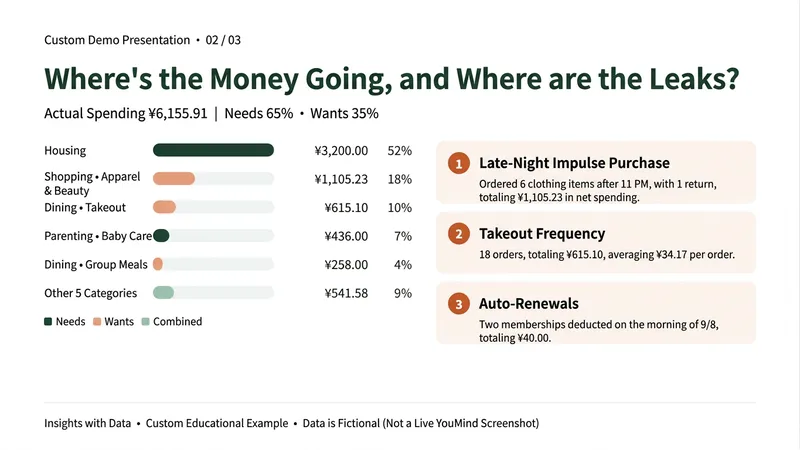 Research
One-Click Bill Checkup
By the end of the month, do you only know that your money is gone—but not where it went? Don’t want to track every expense, and tired of ads and subscriptions in budgeting apps? This Skill gives one month of transactions a checkup. Upload a bill exported from WeChat or Alipay (or paste the text) to get: ① Actual spending: Automatically excludes Huabei repayments, transfers into Yu’e Bao, and incomplete orders. Refunds offset the original purchase, so transfers of thousands of yuan aren’t mistaken for spending. ② Where your money goes: Ranked spending categories, including how much goes to needs versus wants. ③ Checkup findings: Money leaks such as frequent food delivery, late-night impulse orders, automatic renewals, and frequent small purchases—each backed by numbers. ④ A draft budget for next month: Identifies the three habits worth changing most, estimates potential savings, and breaks them into weekly amounts based on your savings goal. When it’s unclear whether an entry is a red envelope, transfer, or split bill, it asks you first instead of guessing. It won’t guess amounts that are unreadable in screenshots. Choose between a gentle or sharp-tongued tone. Suitable for office workers who want to save but can’t stick with expense tracking, parents managing household spending, and young people who want a clearer view of their spending habits. The examples shown use fictional teaching data. This Skill only analyzes personal spending; it does not recommend investments, funds, insurance, or loans. Bills are used only for this analysis, and you should remove names, card numbers, and other personal information before uploading.
Token Actuary
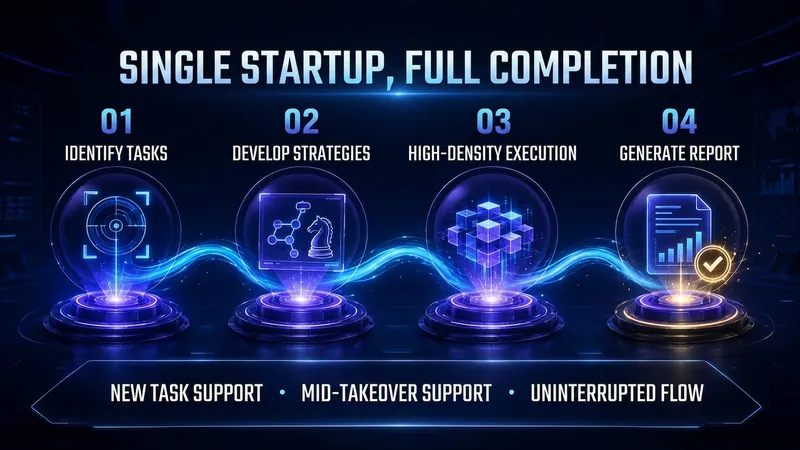
Have you ever calculated how much you pay each month for AI's "fluff"? "Okay, let me help you..." "First, let's review your question..." "In summary, here's what we covered..." You don't even glance at these, but every word eats your tokens. 💸 I built a Skill called "Token Actuary" to fix this: ✅ Automatically identifies task type and applies token-saving strategies ✅ Cuts redundancy without cutting depth—quality stays 100% ✅ Generates an itemized bill: "This time saved 40%+", clear and transparent For heavy AI users, install it once and save the cost of a few bubble teas. A fact most overlook: a significant portion of what you pay for AI isn't for the "answer" — it's for "process language": opening pleasantries, restating the question, transitional filler, closing summaries. These add no value, but every token costs you. I've packaged the entire methodology of information density optimization into a Skill: "Token Actuary". Its logic is straightforward: after identifying the task type, it automatically matches token-saving strategies, executes tasks with maximum information density, eliminates all redundancy, and enforces strict quality constraints so output doesn't degrade. After completion, it auto-generates a token breakdown report showing consumption per stage, savings vs. standard mode, and future optimization tips. Supports both launch-time activation and mid-task takeover—no configuration needed. If you're a heavy AI user—writer, researcher, bulk content creator, or pay-per-token API user—this Skill is essentially a "money-saving machine": install once, and every conversation compresses your costs. It's now available on the YouMind Skill Market. Search for "Token Actuary" to install.
 Research
Merchant Document Precheck
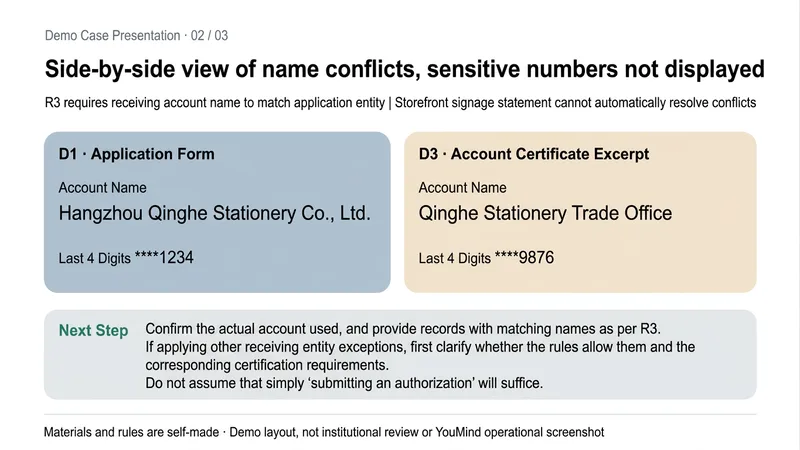
Why does the review keep coming back for more documents even after everything has been submitted? This Skill uses the review checklist and rules you provide to precheck merchant-submitted documents before submission, helping you organize omissions and conflicts in advance. You’ll receive: ① An itemized precheck: distinguishes satisfied, missing, conflicting, clearly not satisfied, and pending confirmation. ② A missing-items list: identifies the documents, fields, and explanations that need to be added. ③ A field conflict table: checks the entity, address, dates, and account against the applicable rules, with source locations noted. ④ A pre-submission action list: turns next steps into tasks you can check off. It follows the rules you provide and does not fill in platform requirements based on assumptions; if something is not found in the excerpts, it does not directly conclude that it was not submitted. Conflicting rule versions are flagged, and sensitive numbers are masked. Suitable for merchant operations, document organization, and pre-submission self-checks by small teams. The output is a copyable Markdown report. This is a precheck to help you prepare. It does not replace the final review by a platform, bank, tax authority, or regulator, and does not guarantee approval. Example materials are created for demonstration.
Information
- Version
- v4
- Last updated
- Runtime credits
- Usage-based
- Models
- Auto
- Use cases
- Research & analysisBusiness & strategySoftware development
- What you get
- ReportDocumentPrompt
