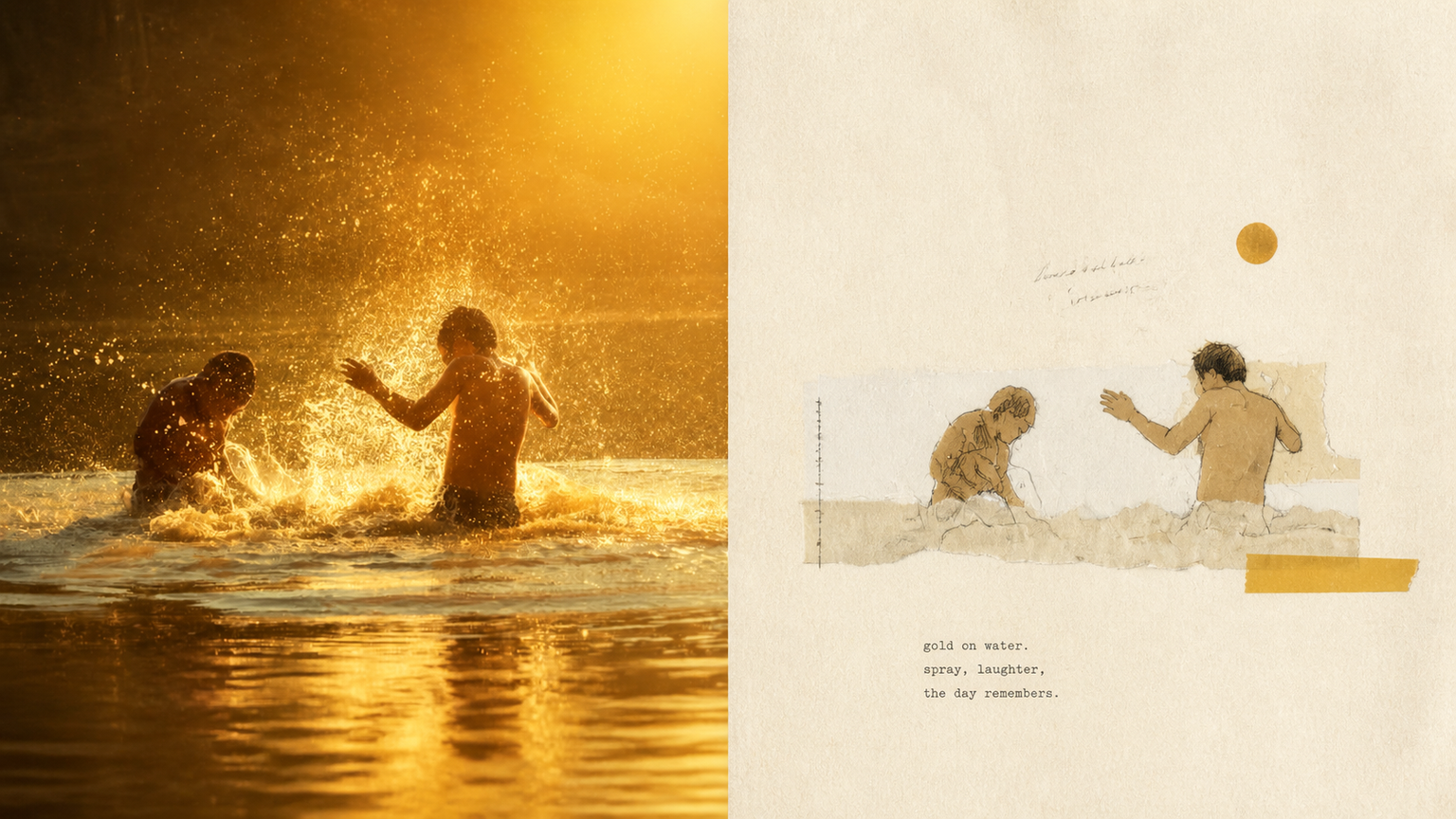
Xiaoxiaodong x Collage P064
By Xiaoxiaodong
Xiaoxiaodong x Collage P064
By Xiaoxiaodong
Showcase
Description
P064 is designed to recreate the archival feel of paper edges softened by time: It reassembles everyday snapshots with hand-torn paper pieces, lightly sketched pencil lines, and the texture of weathered old paper. ⚬ Split into two horizontal sections: the top preserves the original image’s sense of reality and film-like light, while the bottom becomes a weathered afterimage of memory. ⚬ Hand-torn edges: Irregular paper fringes, paper fibers, faint graphite lines, and the hesitation of handmade pauses all remain—never smooth, rigid vector stickers. ⚬ An extremely restrained palette: aged paper tones, light gray, and pale ink form the base. Only 1 to 2 of the most essential colors from the original image are picked out on the fragments, used sparingly. ⚬ Subtle vintage typewriter layout: A few short English typewritten phrases, with slight mechanical misalignment, are scattered along the page edges and across generous blank space—like a private scrapbook archive quietly discovered deep inside a library. Quiet, restrained, and enduring, it turns a fleeting moment into an old object worth exploring.
Recommended by
Dancang
Why we love this skill
Featured for faithfully preserving the original creative brief while flexibly generating top-bottom, left-right, pure design, and multi-device wallpaper versions with rigorous text, canvas, and quality checks.
Related Skills
View all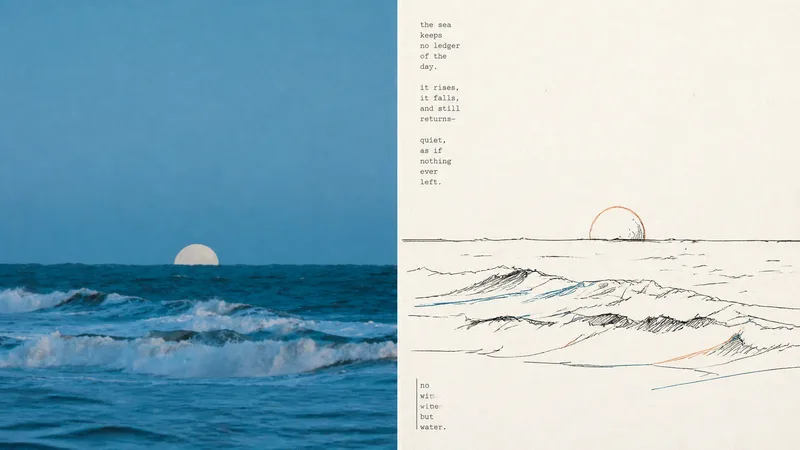 Image
Xiaoxiaodong x Duotone P065
P065 addresses a core problem: AI-generated color illustrations often overfill the image with colors, making them look muddy and like flashy children's doodles. They struggle to capture the restraint and sophistication of niche independent print works made with “just two overprinted colors and slight misregistration.” If you like the duotone printed matter found in independent bookstores—using just one or two touches of color with a subtle misaligned quality—this set of prompts was tuned for you. Rather than using large areas of flat color, it deconstructs your photo with highly avant-garde **“duotone line overprinting”**: ⚬ Black lines form the framework: slightly awkward, hand-drawn pen lines with wobbles and pauses pick out the subject, even allowing lines to cross boundaries or remain partly open, leaving rigid vector outlines behind. ⚬ Exactly 2 extracted colors: AI selects two high-contrast colors from your original image—one cool and one warm, or one dark and one light—and turns them into colored contour lines. They run alongside, overlap, or sit slightly out of register with the black lines, much like the small errors left by an antique printing press during overprinting. ⚬ Light-colored paper and generous whitespace: No complex backgrounds. The subject may be off-center, reduced in scale, or left floating, allowing rough paper texture and broad areas of blank space to carry the image’s sense of air. ⚬ Letterpress typography with handmade irregularities: Pair it with narrow vintage letterpress text, slightly loose tracking, and a subtly wavering baseline, like a carefully typeset private art poster. Smart and restrained, with just a hint of dry humor and relaxed ease.
 Image
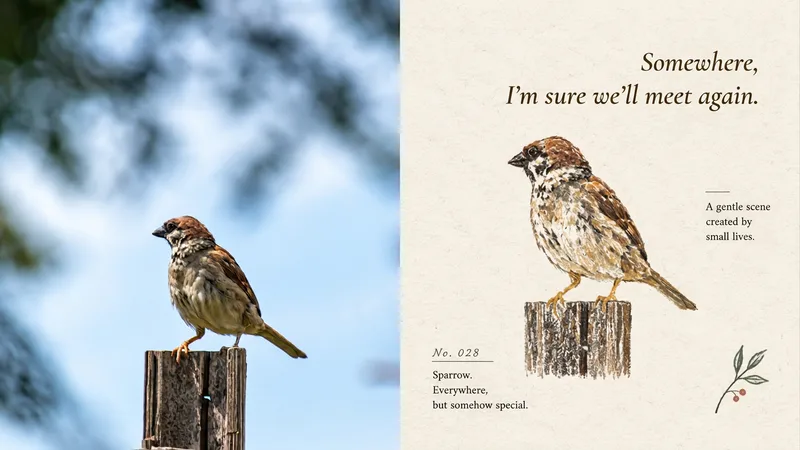
Old Book Pictograph
Ideal for turning an ordinary photo into a small motif that evokes a specific place or mood. The upper half features the original photo; the lower half retains only the core shape that best represents its identity, styled with a slightly chunky yet thoughtful proportion and imperfect, irregular edges like a hand-drawn pictograph tucked inside an old book. Colored pencil, crayon grain, and paper textures are clearly visible. The symbol is compact, appearing as though collected on paper, accompanied by a small collection word. The palette is warm and desaturated: off-white, ochre, brick red, dark green, misty blue, and coffee brown, with a touch of vivid color as a memorable accent. Avoids complete buildings, full figures, intact scenes, smooth vectors, and mechanical edges.
 Image
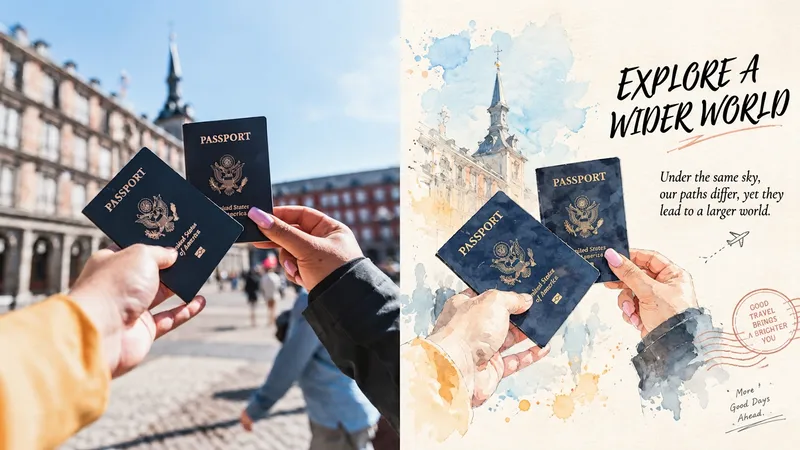
Old Trip · xiaoxiaodong P248
Suitable for turning a single photo into a preserved page from an old travel journal. The original photo fills the upper half; the lower half actively removes unrelated objects, keeping only clues that convey its spirit. The subject may be small, off-center, or close to the edge. Negative space becomes air, distance, and time. Transparent watercolor, diluted ink, and paper grain retain natural diffusion and pauses. Stamps and collage serve only as minimal emotional cues. Avoid showing a complete landscape or adding excessive decoration.
Information
- Version
- v5
- Last updated
- Runtime credits
- Usage-based
- Models
- Auto