
Grant Proposal Expert 2.0
Diagnose or write high-quality proposals
Grant Proposal Expert 2.0
Diagnose or write high-quality proposals
Showcase
Description
This skill is a professional grant proposal writing expert designed to help users diagnose or write high-quality proposals. Whether you are a novice researcher or an experienced scholar, it provides tailored guidance and support based on your specific needs. It intelligently analyzes the information you provide, including proposal templates and your written content, to assess your writing level, work mode (diagnosis or writing), and the specific section of the proposal you wish to address. It checks for completeness and asks questions when necessary to ensure it has all the key elements needed for writing or diagnosis. In diagnosis mode, the skill conducts a detailed review of your proposal content—checking structure, argument quality, and academic standards—based on professional writing criteria. It generates a comprehensive diagnostic report that identifies core issues and offers specific optimization suggestions and rewriting solutions. In writing mode, it uses best practices and your research information to generate complete content for the specified section, along with writing instructions and key information to be added, ensuring the content meets academic and professional standards. The final output is presented in clear Markdown format, including detailed analysis, diagnostic reports or written content, along with personalized follow-up suggestions and self-check tips to help you efficiently write and optimize your grant proposal.
Related Skills
View all
Research Proposal Assistant
Tailored for university faculty and researchers, this AI assistant provides comprehensive guidance in writing humanities and social science research proposals, covering the entire process from topic generation to outcome planning. Whether you need to brainstorm a topic from scratch or optimize a specific section of your proposal, this tool offers expert-level guidance and support. This assistant combines expert experience with a strategy of 'example guidance + writing theory integration' to help you efficiently produce high-quality proposals. You receive targeted analysis of research hotspots in your discipline, topic refinement suggestions, and—based on your research direction and project type—generate a rigorous background, in-depth literature review, and insightful research value statement. In the research content design phase, the assistant helps you define the research subject, build a logically clear research framework, and recommend innovative research ideas and methods. It also helps you distill key points and difficulties, set clear research objectives, and plan a detailed research schedule and feasibility analysis, ensuring your proposal is rigorous and well-structured. Additionally, you can use this tool to deeply explore the innovative aspects of your topic in terms of academic ideas, viewpoints, and research methods, and systematically plan multiple forms of expected outcomes, their applications, and social benefits. Finally, all content is integrated with one click to generate a complete, logically rigorous proposal that meets submission standards, helping you increase your success rate.

NSSF Proposal Writing Guide
This skill is designed to assist researchers in writing high-quality proposals for the National Social Science Fund (NSSF). It provides professional guidance and step-by-step support according to the latest "NSSF Proposal Writing Guide (2026 Complete Edition)". Whether you are a first-time applicant or looking to improve your proposal quality, this skill can help you ensure your application materials meet all specifications. The skill systematically guides users through each part of the proposal, including topic explanation, topic basis, research content, innovations, expected outcomes, references, and research foundation. It not only helps you build a rigorous logical framework but also provides key cautions and common error prompts during the writing process to ensure the academic and normative quality of the proposal. Users only need to provide basic information such as research topic, discipline field, and project type, and the skill will gradually generate each chapter of the proposal. After each step, users can review and suggest modifications to ensure the content fully matches personal needs and project reality. Finally, the skill will integrate all content to generate a complete text that meets NSSF standards, greatly improving application efficiency and success rate.
Research Proposal Assistant
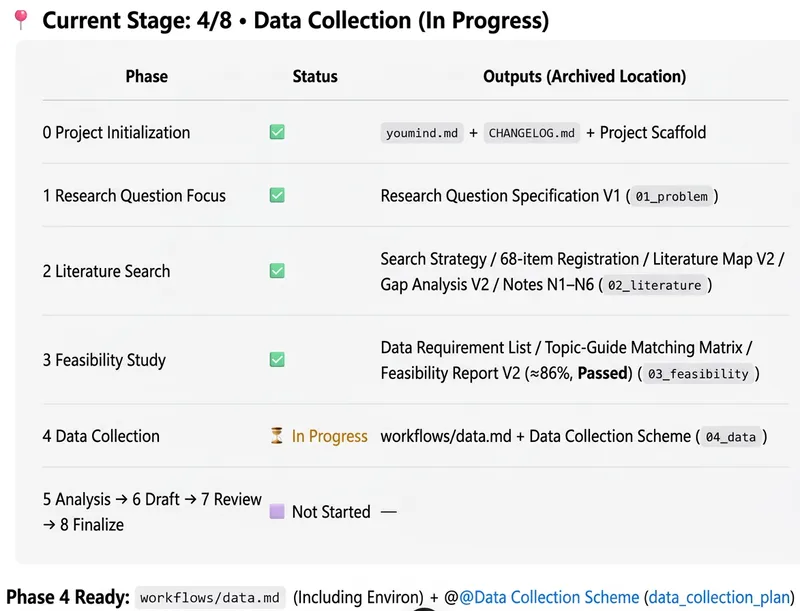
Designed for university faculty and researchers, this assistant turns an initial research idea into an executable, fundable project plan. It covers national- and provincial-level humanities and social sciences projects, teaching reform projects, and other research project types. Provide the project type and application guidelines or template, research direction, existing成果, and personal and institutional information. The assistant helps clarify the topic, focus the research question, and build a complete foundation for the proposal around the research problem, application requirements, and review logic. As the project develops, the assistant can support academic searches, literature reviews, research gap analysis, feasibility assessments for data and methods, comparable project matching, and research design adjustments. It helps ensure that literature, data, and funding information are authentic and verifiable, while incorporating AI, contemporary relevance, and methodological innovation into the topic and innovation points. Once the research plan is mature, it can draft an initial proposal based on the application guidelines or blank template you provide, simulate different reviewer perspectives, and suggest revisions through to the final draft. The project retains stage outputs, version records, and the basis for changes. It can ultimately organize a proposal, technical roadmap, research framework diagram, innovation logic diagram, progress Gantt chart, and other research visuals. For tasks requiring an external environment, such as full-text PDF analysis, code execution, web scraping, or large-scale data processing, the assistant clearly identifies handoff tasks and supports filling in results and continuing the work, helping move the project from preparation through a properly formatted final proposal.
Information
- Version
- v4
- Last updated
- Runtime credits
- Usage-based
- Models
- Auto
- Capabilities
- Web research