Republic-Era Image Restoration
Create historically grounded prompts for vintage materials
Republic-Era Image Restoration
Create historically grounded prompts for vintage materials
Showcase
Description
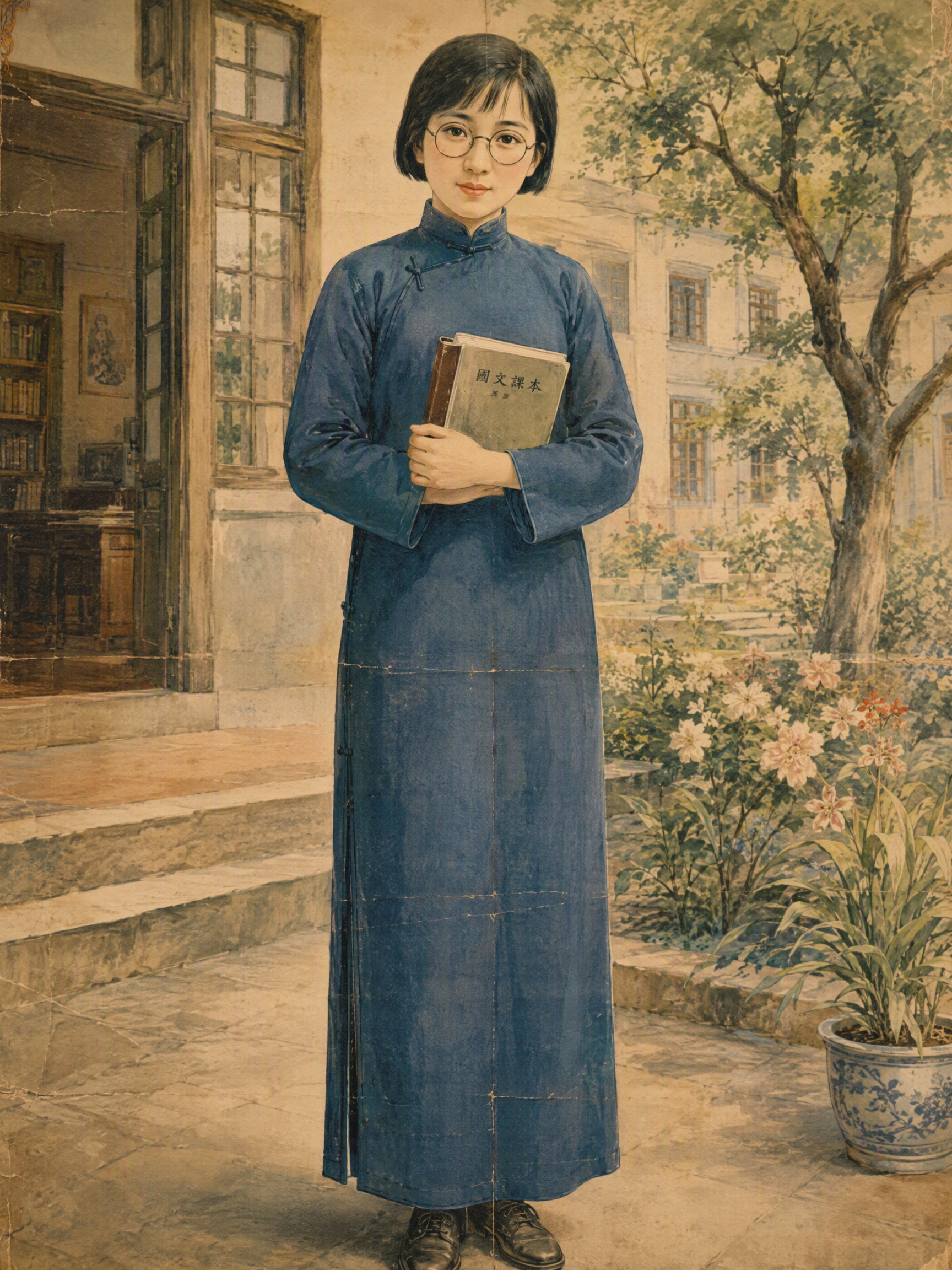
Turn “Republic-era style” into visual materials grounded in the period, with credible textures and production details—instead of applying a generic retro filter. Whether you’re working with calendar posters, old photographs, studio portraits, <良友> pictorial covers, cigarette cards, newspaper ads, product packaging, or Shikumen interiors and New Year picture opera sheets, you’ll get image concepts that more closely reflect authentic historical aesthetics, based on the specific era, people’s identities, production techniques, and material qualities. Enter a theme, image, or modern photo to receive bilingual Chinese-English prompts for AI image generation, negative prompts, and aspect-ratio recommendations. Images can also be generated directly when needed. The process focuses on details such as qipao silhouettes, hairstyles, makeup, class-specific character, paper aging, halftone printing, hand coloring, and misregistered color layers—avoiding the “period drama Republic-era look” created by brand-new costumes, modern studio lighting, digital sharpening, and plastic-like textures. Each delivery also includes a concise material history explaining its period context, purpose, and visual features. For text-heavy ads, packaging, and opera sheets, compositions can be prepared for direct image generation or later typesetting. For real historical figures, fictional people with comparable identities are used instead, clearly labeled as AI-generated and styled as historical-material restorations.
Recommended by
淡苍
Why we love this skill
Grounds Republican-era materials in period, class, technique, and medium—capturing authentic print and paper details while avoiding generic “Republican style” and costume-drama aesthetics.
Related Skills
View all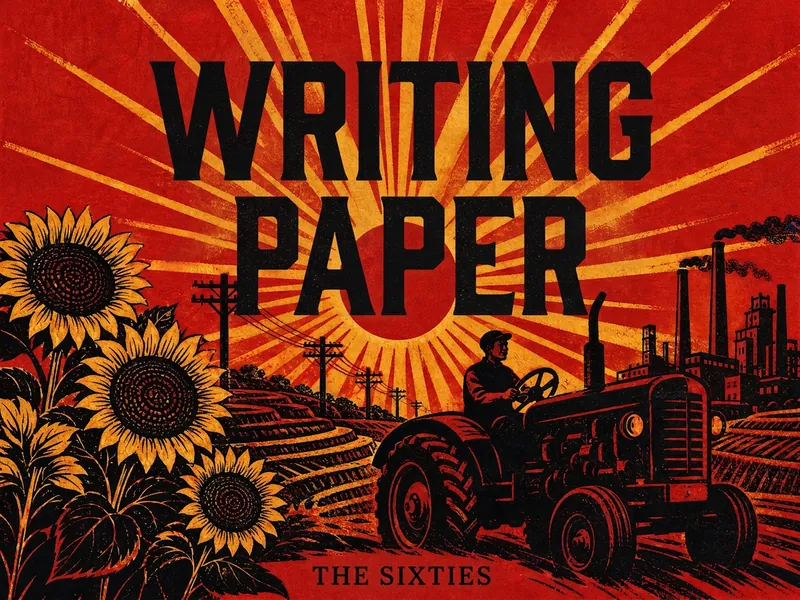 Image
ImageModern Chinese Era Visuals
Transform titles, themes, or graphics into visual designs inspired by modern Chinese eras, suitable for book covers, posters, cards, illustrations, typography, and social media graphics. Simply provide the text, target era, design format, and aspect ratio to receive a visual concept tailored to your theme. If no ratio is specified, a portrait cover composition can be used. Supports a range of styles from the 1920s–30s Republic of China period and the 1940s through the 2000s, including Eastern Constructivism, War of Resistance woodcut, revolutionary realism, understated literary design, humanistic minimalism, and digital visual styles. Each era-based style presents a distinct design language through its color palette, composition, typography, graphics, and print texture—for example, geometric display lettering, woodcut marks, limited-color flat fills, asymmetrical layouts, paper grain, and balanced negative space. Whether you need a literary book cover, an era-themed poster, or a simple Chinese title design, you can evoke the aesthetics of the corresponding period while keeping the text clear and the composition clean. Supports common aspect ratios including 1:1, 2:3, 3:2, 4:3, 16:9, and 9:16, making it suitable for publishing visuals, exhibition promotion, content graphics, and personal creative work.
 Image
ImageMono no Aware, Wabi-Sabi & Yūgen
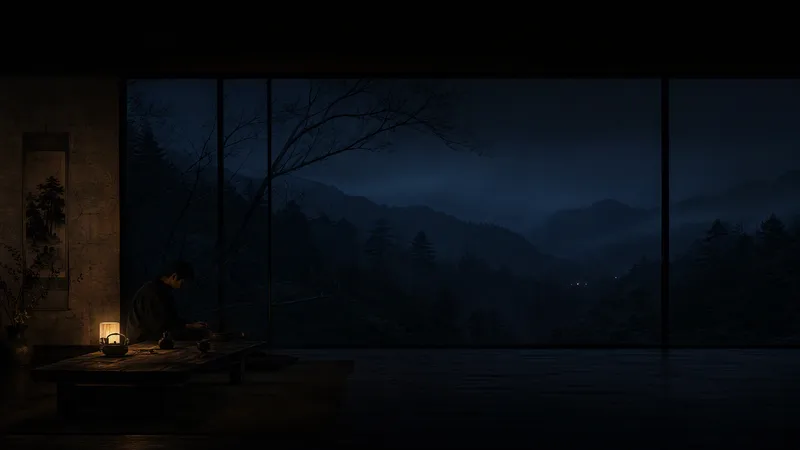
Turn themes, scenes, people, classical Chinese poetry, or photos into Japanese aesthetic images grounded in clear sources of thought and visual references—ideal for creators who need nuanced storytelling and art direction. The skill selects mono no aware, wabi-sabi, or yūgen as the primary direction based on the content: mono no aware expresses the beauty of what is fading, wabi-sabi reveals the marks left by materials and time, and yūgen creates understated depth through concealment, distance, negative space, and unseen areas. These aesthetics are combined only when the subject genuinely supports multiple aesthetic logics. You’ll receive a clear thematic assessment, primary aesthetic, relationship between combined styles, art-historical anchors, and core narrative. It then generates professional visual prompts covering the subject, setting, composition, spatial layers, materials, color, lighting, mood, and negative constraints—avoiding vague labels such as “Japanese,” “Zen-like,” or “sophisticated.” For portrait photos, it aims to preserve identity, facial structure, perceived age, body type, and key clothing features, transforming the aesthetic through environment, lighting, and narrative rather than automatically turning the person into someone wearing a kimono. After confirmation, the skill displays the complete prompt and generates an image, along with an aesthetic explanation to help you understand how the image expresses the beauty of transience, traces of time, or the unseen. It is suited to concept art, photography style transfer, classical Chinese poetry visualization, character-and-setting creation, spatial storytelling, and AI image generation with a Japanese aesthetic sensibility.
 Image
Imagexiaoxiaodong P108 Folk Cut
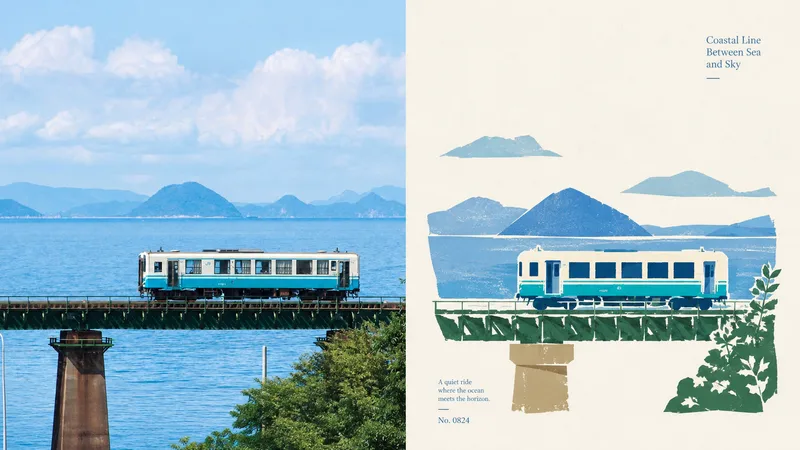
When the subject of a photo is highly recognizable but weakened by a complex background, excessive decoration, or ordinary filters, 108 reorganizes the information through new folk-art paper cutting: the real photo remains above, while the section below keeps only the subject, outline, pose, and narrative relationships, transforming them into flat paper-cut forms, a seal-like main visual, and printmaking texture. Best suited for Art posters, publication covers, or exhibition images that preserve the identity of a photo while adding cultural and handcrafted character. A preference for silhouettes, color blocks, engraved lines, positive and negative space, and paper grain over realistic illustration, smooth vectors, or 3D. Stable output in the same style across top-and-bottom, side-by-side, pure design, wallpaper, multiple aspect ratios, and catalog batch processing. What it solves for you Removes irrelevant backgrounds and duplicate objects so the subject is not overwhelmed by decoration. Extracts the 2–4 most distinctive colors from the photo to create vivid but restrained folk-art color blocks. Unifies the two-zone structure of every finished piece: a strict 50:50 split, with no added title bar, footer, or third band. Quick check: Is Panel 108 right for you? What you get: A complete poster with the real photo on top and a new folk-art paper-cut design below At-a-glance characteristics: A small-scale, seal-like subject; flat paper-cut color blocks; printmaking grain; and generous warm-white space How the original image is respected: Identity, structure, pose, lighting, and color are preserved; the lower section only simplifies and symbolically reconstructs them
Information
- Version
- v6
- Last updated
- Runtime credits
- Usage-based
- Models
- Auto