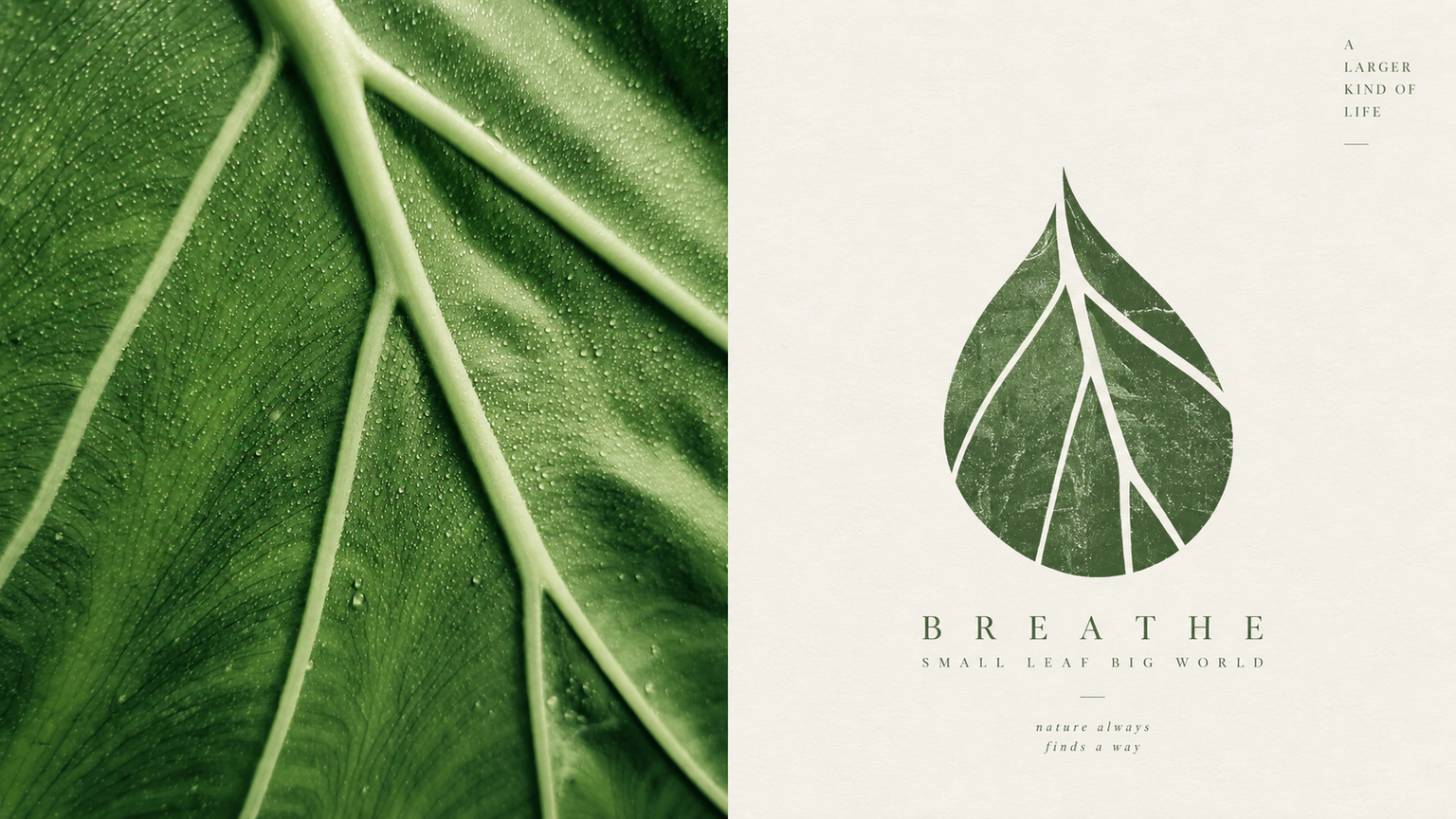
Concept Emblem | xiaoxiaodong P309
By xiaoxiaodong
Concept Emblem | xiaoxiaodong P309
By xiaoxiaodong
Showcase
Description
Ideal for turning an ordinary photo into a small, limited-edition motif with an artist’s or premium brand’s feel. The top half shows the original image; the bottom half keeps only one core symbol, one subtle reinterpretation, and one hidden meaning, allowing something familiar to reveal a second layer. Choose just one material—embroidery, fabric, paper, printmaking, or clay—and keep the entire emblem consistent. Keep the symbol small and the negative space clean, with one small editorial word as the text. Use a restrained, cohesive palette: one primary color with a few supporting colors. Avoid complex illustrations, complete narratives, piled-up elements, commercial cartoons, and busy logos.
Recommended by
Dancang
Why we love this skill
A minimalist concept mark built around one symbol, one subtle change, and one hidden meaning. Unified materials, negative space, and restrained text create a thoughtful, lasting visual.
Best for
For creators and designers who want to turn ordinary photos into artistic, brand-inspired emblem designs.
How to use this Skill
Provide your input
Provide a regular photo or image collection as the source material for the small emblem design.
Run the Skill
Refine the photo into a conceptual small emblem: keep one core symbol, add one subtle reinterpretation and hidden meaning, and use a single material with restrained colors.
Review your result
Get a finished PNG emblem with a simple, spacious composition, featuring a small symbol and one editorial-style word.
Related Skills
View all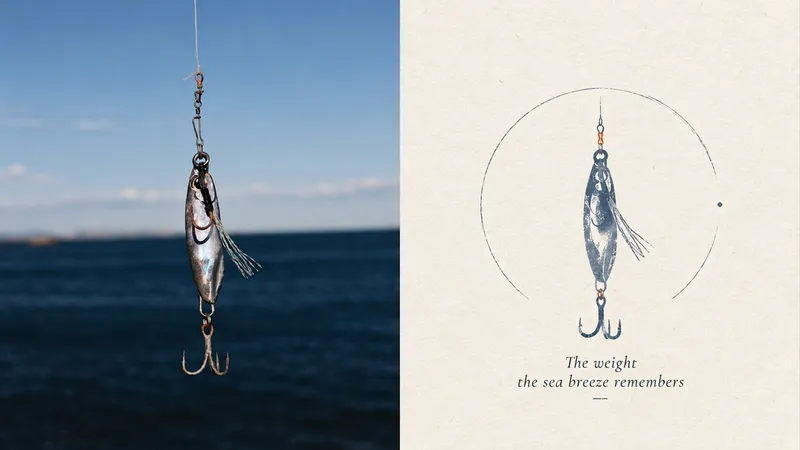 Image
Poetic Mark | xiaoxiaodong P319
Ideal for turning an ordinary photo into a private poetic mark on white paper. The upper half shows the original image; the lower half keeps only a silhouette, a set of proportions, or a gesture. It can be pared back to near abstraction, with a quiet touch of surrealism. A very small label, number, or handwritten word may appear as a second layer of metaphor rather than an explanation. The materials are colored pencil, crayon, and paper grain. The palette uses warm white with one main color and one supporting color for a low-stimulation effect. Keep the symbol small and place it within a broad field of psychological space. Avoid complete scenes, piles of annotations, perfect geometry, and noisy colors.
 Image
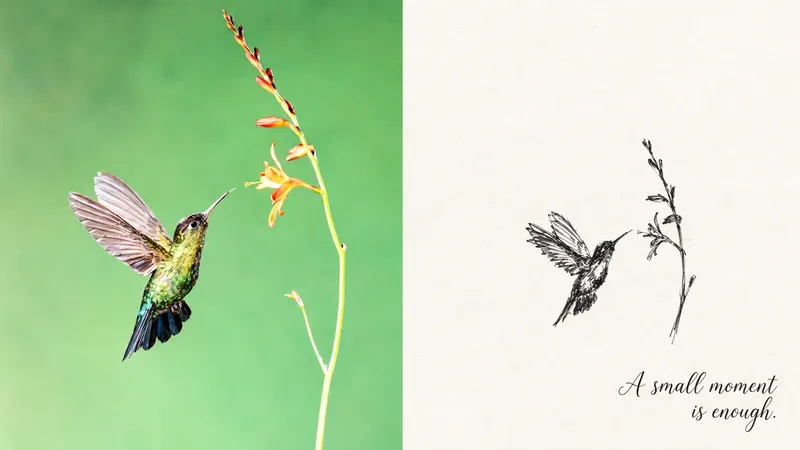
Tiny Private Symbol | P294
Turn an ordinary photo into a tiny private symbol. The upper section contains the original image; the lower section is about 80% to 95% blank, leaving only one outline, pose, or relationship that must be remembered. The lines may be hesitant, rough, repeated, and unfinished. By default, use only black, gray, and paper white, with at most one tiny accent color drawn from the photo. Text can be omitted entirely; if included, it should remain weaker than the symbol. Avoid complete figures, complete scenes, decoration, cute stickers, smooth vectors, and anything added just to fill the frame.
 Image
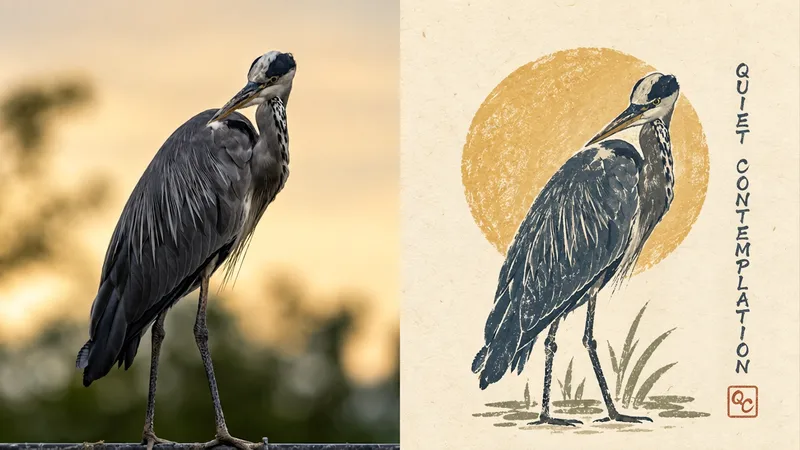
Naive Badge | xiaoxiaodongP275
Ideal for turning an ordinary photo into a warm, personal handmade badge. The top half shows the original photo; the bottom half compresses the subject into a small visual symbol with a sense of memory, like a handmade badge, personal mark, or independent brand totem. Its form is slightly awkward, asymmetrical, and handmade. The subject stands alone like a small badge, seal, or icon, with generous blank space around it. Simplified rounded shapes, naturally varied hand-drawn outlines, limited color blocks, and a few decorative elements create a look of matte gouache, colored-pencil and crayon grain, dry-brush strokes, and paper texture. Colors are soft and low-stimulation, like pigment absorbed into paper. Avoid complete scenes, commercial logo design, standard icon systems, smooth vectors, and excessive cuteness.
Information
- Version
- v3
- Last updated
- Runtime credits
- Usage-based
- Models
- Auto
- Use cases
- Images & design
- What you get
- Image
- Visual styles
- MinimalistPrintmakingPaper art