【S.003】Odyssey Epic Style
Turn a photo into an Odyssey diptych
【S.003】Odyssey Epic Style
Turn a photo into an Odyssey diptych
Showcase
Description
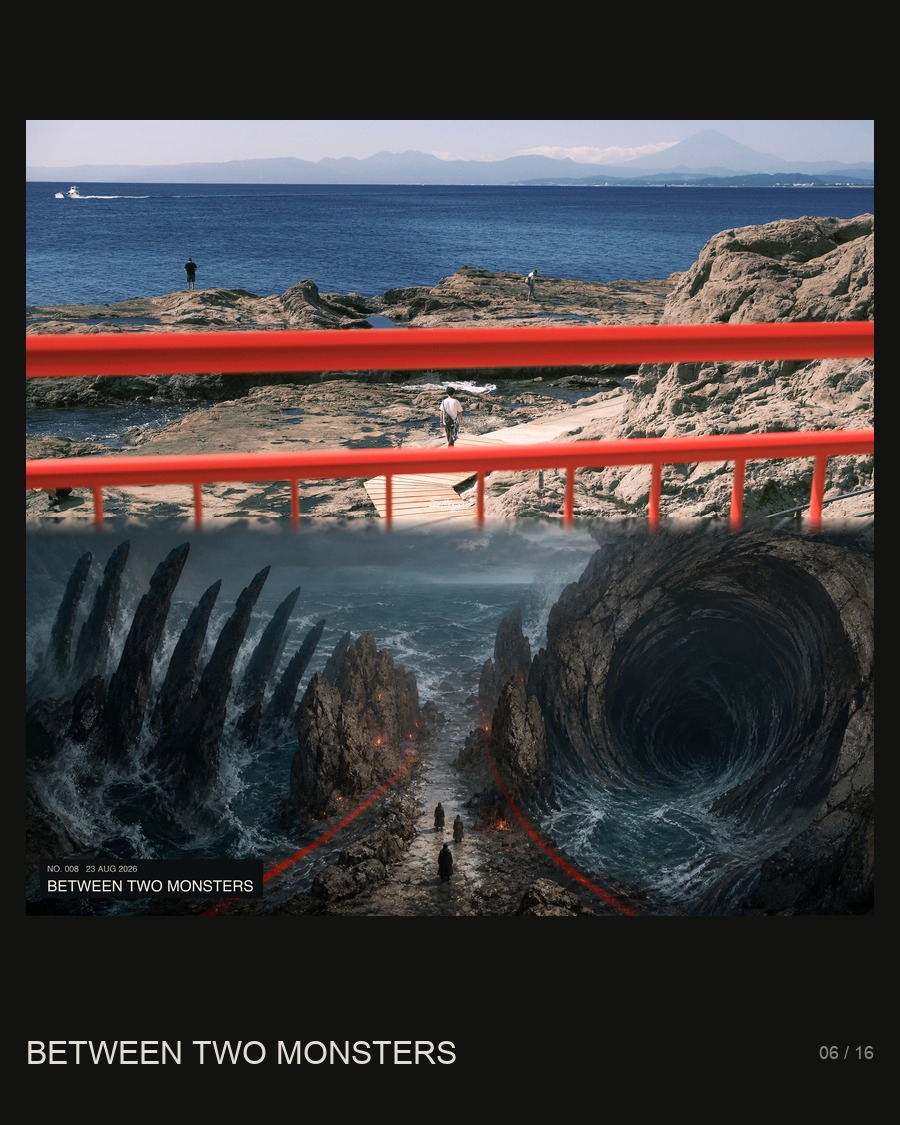
Transform a real photo into an epic, narrative-driven Odyssey diptych: the original photo remains fully intact on top, while the lower panel becomes a contemporary abstract scene that echoes the photo’s visual evidence. It draws clues from people, animals, quantities, poses, spatial structure, direction, light, and color, then selects the Odyssey episode that best fits. The photo becomes evidence of reality; the lower panel becomes a mythic interpretation. The abstract panel does not copy the photo, apply a filter, or depict mythology literally. Instead, it incorporates one or more recognizable episode motifs through scale, paths, enclosures, repetition, pressure, and material weight—for example, the Cyclops’ opening, the Sirens’ lure, Charybdis’ whirlpool, Scylla’s multiple attacks, Penelope’s textile, or Odysseus’ return. The image carries forward the photo’s dominant colors, shadows, and highlights, while choosing a natural-light, firelit, or hazy threshold atmosphere based on the original lighting. The result maintains a clear, restrained, tactile “clean epic” visual style. The final result is a complete, vertically connected art page with a concise archive number, date, and English episode title, accompanied by a short explanation of the selected chapter, the evidence in the photo, the mythic motif, and the color direction. It is suited to mythology-themed photographic archives, visual literary research, contemporary art projects, or personal image works centered on themes of return and journey.
Recommended by
淡苍
Why we love this skill
Preserves the photo as verifiable evidence, then builds an abstract Odyssey narrative from its composition and color in a disciplined, restrained diptych.
Related Skills
View all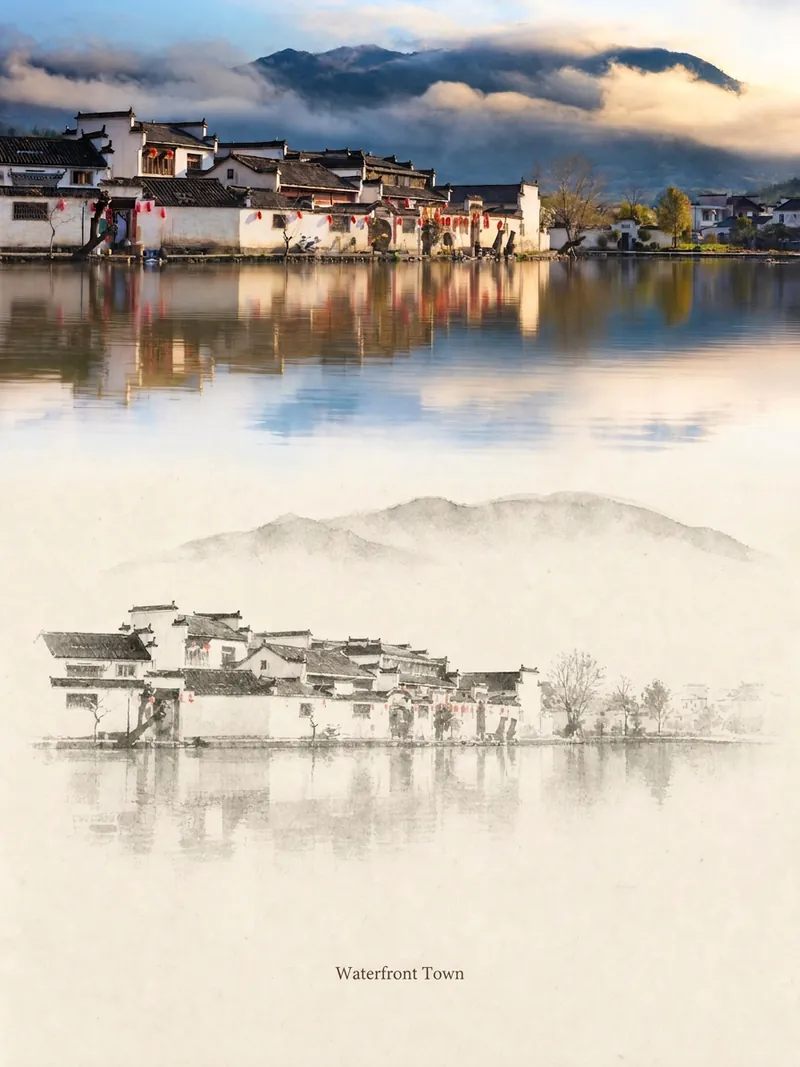 Image
ImageRelic Art
Transform a real photo into a vertical "relic art" poster that blends documentary value with artistic expression: the upper part keeps the original photograph untouched, while the lower part uses warm paper or restrained light and shadow to compress a memory-derived graphic from the image. It's not a typical illustration or decorative poster; instead, it uses sparse ink blocks, softened edges, white-space cuts, and sparse lines to distill architectural, urban, water, road, human-scale, horizon, and light-shadow relationships, so the subject remains recognizable even in thumbnails. The overall feel is quiet, restrained, and like a modern print. Colors are taken from the source photo, primarily deep blue, ink black, gray-green, stone, or low-saturation warm tones, with a small warm accent added when fitting. The title is kept very small, poetic, and similar to an exhibition label, never overwhelming. This is suitable for minimalist art posters, photographic relic series, architectural and urban image posters, abstract editorial photography, gallery-style photo covers, and visual series for mobile platforms like Douyin. The final output preserves the authentic content of the original photo while adding a consistent "memory imprint" below, giving each photo its own mood and an expandable visual identity.
 Image
Imagexiaoxiaodong P136 | Poetic
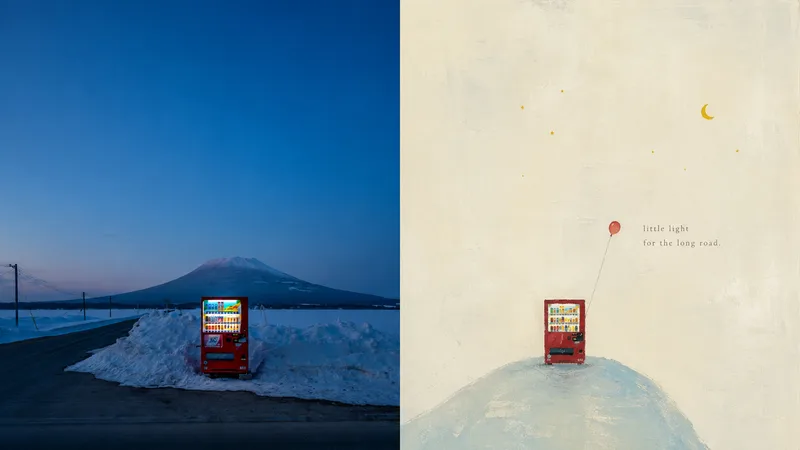
Suitable for organizing personal photography, independent publishing, exhibition studies, and lifestyle visual creation. Even when the original composition is ordinary, the background is cluttered, or the subject is small, you can reestablish a focal point through reduction, rearrangement, cropping, and changes in scale—instead of simply applying a filter to the photo. The lower section extracts only the most recognizable subjects, contours, structures, gestures, and narrative relationships from the photo. It reinterprets the original image’s emotions, relationships, and visual metaphors, then reconstructs them as a poetic narrative illustration in the style of Naïve Art + Poetic Surrealism. Do not redraw every object or reproduce the complete scene. Boldly remove the background and irrelevant details, keeping only a few truly important forms. Scale shifts, object substitutions, floating elements, pulling relationships, dislocation, and improbable combinations are all welcome to re-express the original theme, making the image feel unfamiliar while preserving an immediately recognizable connection to the photo above.
 Image
ImageMono no Aware, Wabi-Sabi & Yūgen
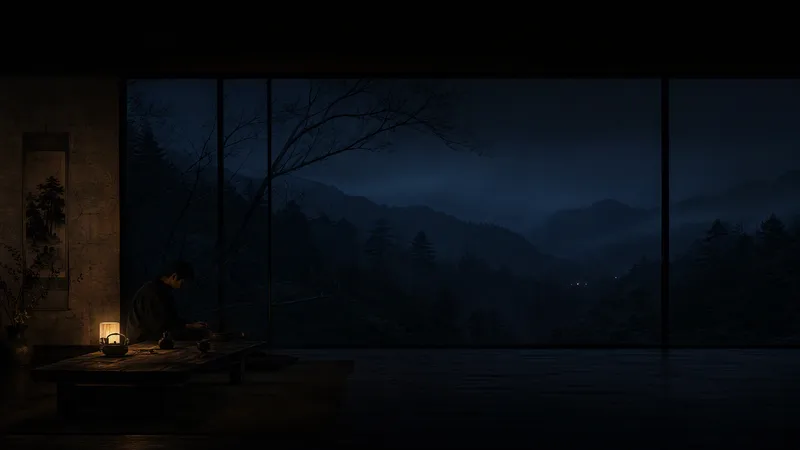
Turn themes, scenes, people, classical Chinese poetry, or photos into Japanese aesthetic images grounded in clear sources of thought and visual references—ideal for creators who need nuanced storytelling and art direction. The skill selects mono no aware, wabi-sabi, or yūgen as the primary direction based on the content: mono no aware expresses the beauty of what is fading, wabi-sabi reveals the marks left by materials and time, and yūgen creates understated depth through concealment, distance, negative space, and unseen areas. These aesthetics are combined only when the subject genuinely supports multiple aesthetic logics. You’ll receive a clear thematic assessment, primary aesthetic, relationship between combined styles, art-historical anchors, and core narrative. It then generates professional visual prompts covering the subject, setting, composition, spatial layers, materials, color, lighting, mood, and negative constraints—avoiding vague labels such as “Japanese,” “Zen-like,” or “sophisticated.” For portrait photos, it aims to preserve identity, facial structure, perceived age, body type, and key clothing features, transforming the aesthetic through environment, lighting, and narrative rather than automatically turning the person into someone wearing a kimono. After confirmation, the skill displays the complete prompt and generates an image, along with an aesthetic explanation to help you understand how the image expresses the beauty of transience, traces of time, or the unseen. It is suited to concept art, photography style transfer, classical Chinese poetry visualization, character-and-setting creation, spatial storytelling, and AI image generation with a Japanese aesthetic sensibility.
Information
- Version
- v5
- Last updated
- Runtime credits
- Usage-based
- Models
- Auto