
White Moonlight Feud Writing
Long-form stories of love turning to hate
White Moonlight Feud Writing
Long-form stories of love turning to hate
Showcase
Description
Specializes in documentary-style narratives about “white moonlight” relationships turning bitter: people who loved each other, could not be together, fell out, and destroyed what they had—the lover of yesterday becoming today’s enemy. Before running, it first provides compelling topic ideas, such as Musk and Altman or Dario and Baidu, then gathers material along two tracks: online research for public figures, including gossip and hearsay, and micro-interviews for private stories. It writes in Sun Yuchen-style plainspoken realism, with no lyrical embellishment, numbers as anchors, repeated sentence patterns, and circular callbacks, then performs an item-by-item quality check. The result is a publish-ready long-form document.
Recommended by
Shuting@YouMind
Why we love this skill
Turns idealized love gone bitter into documentary long-form stories through evidence, precise numbers, recurring objects, shifting forms of address, and rigorous quality checks.
Best for
For creators who want to turn public-figure conflicts, former-partner fallouts, or changing private relationships into documentary-style long-form stories.
How to use this Skill
Provide your input
Provide the people or relationship involved, any public sources or personal experiences, and your preferred perspective, length, and factual or fictional tone.
Run the Skill
The Skill organizes material around changes in the relationship, extracts key dates, numbers, objects, and dialogue, and shapes them into restrained documentary-style storytelling.
Review your result
Receive a complete long-form article suitable for editing and publication, with supporting facts or a fiction disclaimer where applicable.
Related Skills
View all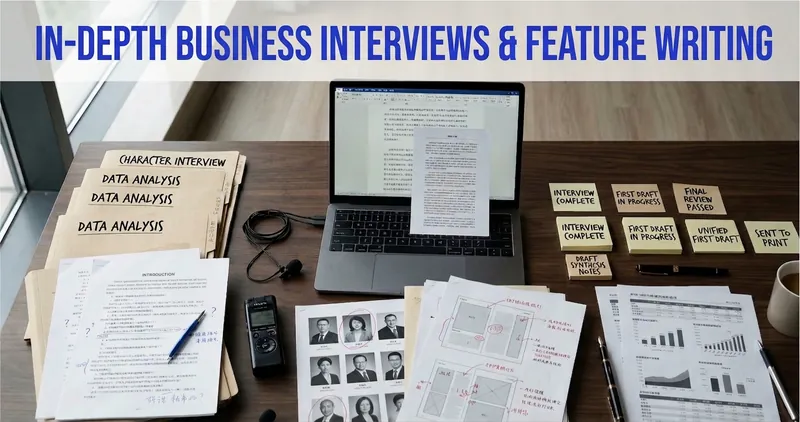 Write
WriteIn-Depth Business Feature Writer
A deep-writing skill for founder interviews, company case studies, profile features, and industry reporting. It does more than simply polish your draft—it recreates the full reporting and writing workflow used by professional media: diagnosing source materials, identifying follow-up interview needs, researching background, verifying facts, shaping the structure, planning visuals, and writing the article. The final deliverable is a complete long-form content package suitable for WeChat Official Accounts or media publication, including the article, headline, summary, condensed version, fact-checking notes, and cover and illustration concepts. It’s designed for creators and teams who need to turn interview notes, research materials, or scattered information into a professional, measured, insight-driven business feature.
 Write
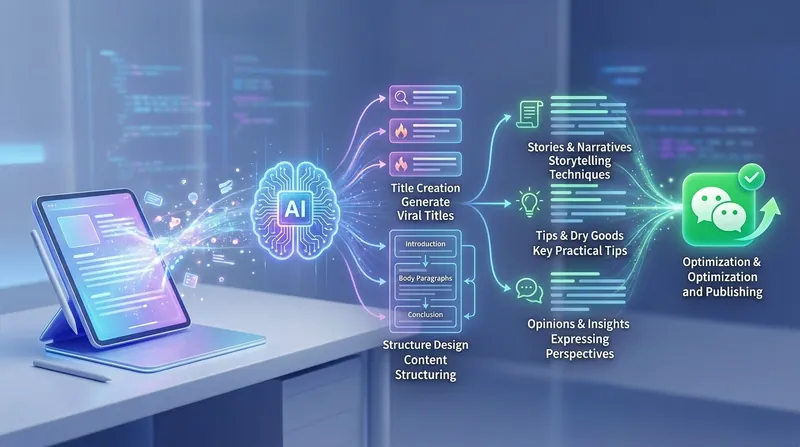
WriteViral WeChat Post Writing 2.0
This skill helps creators efficiently produce WeChat articles. Whether you're sharing practical knowledge, expressing in-depth opinions, telling emotional stories, or promoting products, it offers end-to-end support from headline ideas to content writing, making your words more appealing in a mobile reading environment. During the writing process, it provides viral headline suggestions in various styles, including numeric, suspense, and contrast-based formats, and matches the most suitable structural framework to your article's topic. Whether you're crafting a logic-driven practical summary or an emotionally resonant narrative, it ensures clear structure and logical flow, precisely reaching your target audience. In addition, this skill includes professional layout optimization recommendations and quality checks. By controlling paragraph length, refining sentence rhythm, and enhancing the readability of key information, it elevates the overall quality of your content. It also assists with SEO keyword placement and conversion goal guidance, so every piece you write not only reads smoothly but also achieves the desired reach and conversion results.
 Write
WriteHuman-Voice WeChat Writing
Turn a hot event, social phenomenon, workplace or relationship issue, personal experience, industry observation, product material, or existing draft into a WeChat Official Account article with a clear stance, genuine emotion, and shareable tension. Instead of settling for a safe “everyone has a point” perspective, it helps you find an angle that fits your target readers, identify the real conflicts and pain points, and use specific scenes, everyday details, and memorable judgments to make the article sound like it was written by a real person with experience, preferences, and an honest awareness of their limits. Along with a ready-to-publish article, it also produces a publication blurb of no more than 120 characters. This is not a summary of the full piece, but a hook designed to spark curiosity and suspense with as few words as possible, encouraging people who see it in their feeds to open the article. Throughout the process, it also applies originality and citation controls: the article does not use long passages copied from third parties; wherever possible, information is paraphrased, and any necessary quotations are kept brief with sources listed together at the end. This helps avoid being classified by the platform as low-originality content that may receive less distribution. It also organizes the creative decisions, title directions, and core points of the article, then prepares authorial responses for realistic comment scenarios such as factual challenges, opposing views, personal experience sharing, and out-of-context quotations. This makes it easier to handle discussion after publication. For hot topics, controversial events, and high-risk subjects such as law, medicine, and finance, it distinguishes known facts, reasonable inferences, and the author’s judgment, avoids fabricated information, and flags details that still need additional sources or verification. It is suited to WeChat Official Account writers, independent media editors, and content teams working on social observation, workplace expression, relationship perspectives, personal growth, and industry commentary. It is especially useful when you want to move beyond overly neutral writing and an AI-like voice without relying on personal attacks, exaggerated claims, or unnecessary conflict to gain attention.
Information
- Version
- v6
- Last updated
- Runtime credits
- Usage-based
- Models
- Auto
- Use cases
- Writing & contentResearch & analysis
- What you get
- ArticleDocument
