Verbal Idea to In-Depth Report
Speak a problem, we research and draft.
Verbal Idea to In-Depth Report
Speak a problem, we research and draft.
Showcase
Description
This skill is designed to transform your vague research ideas into clear, actionable plans, providing in-depth analysis and ultimately delivering customized research results. Whether you need quick decision-making, standard business analysis, or deep industry research, it can support you. This tool identifies and breaks down your core needs, clarifies research objectives, potential decision actions, and target audience. Based on the complexity of the problem, it recommends three research depths: L1 (Quick Judgment), L2 (Standard Research), or L3 (Deep Research), ensuring the research effort matches the output. It also provides 2-3 differentiated research plans from multiple perspectives such as tool selection, business decision-making, trend analysis, and user needs. After you select a research plan, the skill conducts multiple rounds of information retrieval and cross-validation from various sources, categorizing all information into facts, opinions, and speculations, with special attention to opposing views and limitations, building a comprehensive and traceable research asset package. Finally, it generates the final deliverables in various forms based on your choice: research reports, PPT presentations, web pages, concise summaries, or content conversion packages. Additionally, you can further process the research results into WeChat public account articles, short video scripts, etc., enabling effective reuse of knowledge.
Why we love this skill
Transforms spoken ideas into deep research reports, offering multi-dimensional research plans and multiple output formats to make your thinking more systematic and decisions more precise.
Related Skills
View all
Grant Proposal Expert 2.0
This skill is a professional grant proposal writing expert designed to help users diagnose or write high-quality proposals. Whether you are a novice researcher or an experienced scholar, it provides tailored guidance and support based on your specific needs. It intelligently analyzes the information you provide, including proposal templates and your written content, to assess your writing level, work mode (diagnosis or writing), and the specific section of the proposal you wish to address. It checks for completeness and asks questions when necessary to ensure it has all the key elements needed for writing or diagnosis. In diagnosis mode, the skill conducts a detailed review of your proposal content—checking structure, argument quality, and academic standards—based on professional writing criteria. It generates a comprehensive diagnostic report that identifies core issues and offers specific optimization suggestions and rewriting solutions. In writing mode, it uses best practices and your research information to generate complete content for the specified section, along with writing instructions and key information to be added, ensuring the content meets academic and professional standards. The final output is presented in clear Markdown format, including detailed analysis, diagnostic reports or written content, along with personalized follow-up suggestions and self-check tips to help you efficiently write and optimize your grant proposal.
Strategy Research Workshop
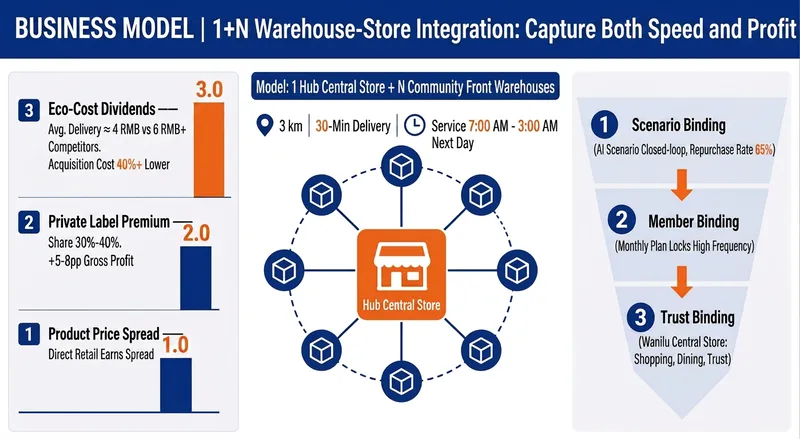
Turn a company, industry, or competitor into a research report and PPT deliverable for management presentations and strategic decision-making. The research covers strategic positioning, business models, operational detail, key data, the competitive landscape, supply chains, core strengths, and future capability priorities—alongside industry trends, market size, risks and controversies, and practical competition—to help you understand how the business wins, whether it can scale, and where it should go next. The Skill organizes publicly available research into an evidence trail with dates, data definitions, sources, and credibility notes. It extracts strategy-focused assertions and actionable talking points for presentations. The final deliverable is a complete company case study report with data sources and disclaimers, along with a consulting-style PPT outline and presentation built around a single argument, making complex information easy to explain in about 15 minutes. From the outline to the visual presentation, you can confirm the narrative angle, audience depth, page count, and design style before completing the report and presentation. It is suitable for corporate strategy, investment research, consulting projects, industry analysis, and competitive benchmarking. After completion, you can also explore a specific dimension further, conduct cross-comparisons, adjust the framework or style, or research a new subject.
 Write
WriteFull-Process Academic Writing
"Full-Process Academic Writing" is an intelligent assistant tool designed for researchers, aimed at covering every stage of academic paper writing from initial conception to final submission. Whether you have just a vague research direction or have a draft that needs polishing, this tool provides systematic support to help you efficiently produce high-quality academic work. This tool guides you through four key stages. First is **Topic Planning**, which helps you refine preliminary ideas into concrete, feasible research topics and questions, and generates a comprehensive Topic Evaluation Report covering research framework, method matching, timeline planning, and resource bottleneck identification. Next is the **Literature Review** stage, assisting you in building search strategies, organizing core literature, and writing a logically rigorous literature review draft that identifies research gaps. The third stage is **Structured Writing**, where the tool designs a detailed paper outline based on your topic and literature review, and drafts the introduction, methods, body, and conclusions chapter by chapter, while also providing scientific chart code to ensure a complete structure and rigorous argumentation. Finally, the **Polishing and Revision** stage performs a comprehensive academic standard check, six-dimensional language polishing, and logical coherence review, and embeds an AI-assisted writing statement to ensure your final draft meets publishable professional standards. Throughout the writing process, this tool always adheres to academic ethics standards. All citations will be clearly flagged for verification and will never be fabricated. Output from each stage proceeds only after your confirmation, ensuring every step aligns with your research intent, allowing you to focus on expressing your ideas while leaving tedious formatting and standards to AI.
Information
- Version
- v3
- Last updated
- Runtime credits
- Usage-based
- Models
- GPT-5.5
- Capabilities
- Web research