P256 Folk Art | xiaoxiaodong
By xiaoxiaodong
P256 Folk Art | xiaoxiaodong
By xiaoxiaodong
Showcase
Description
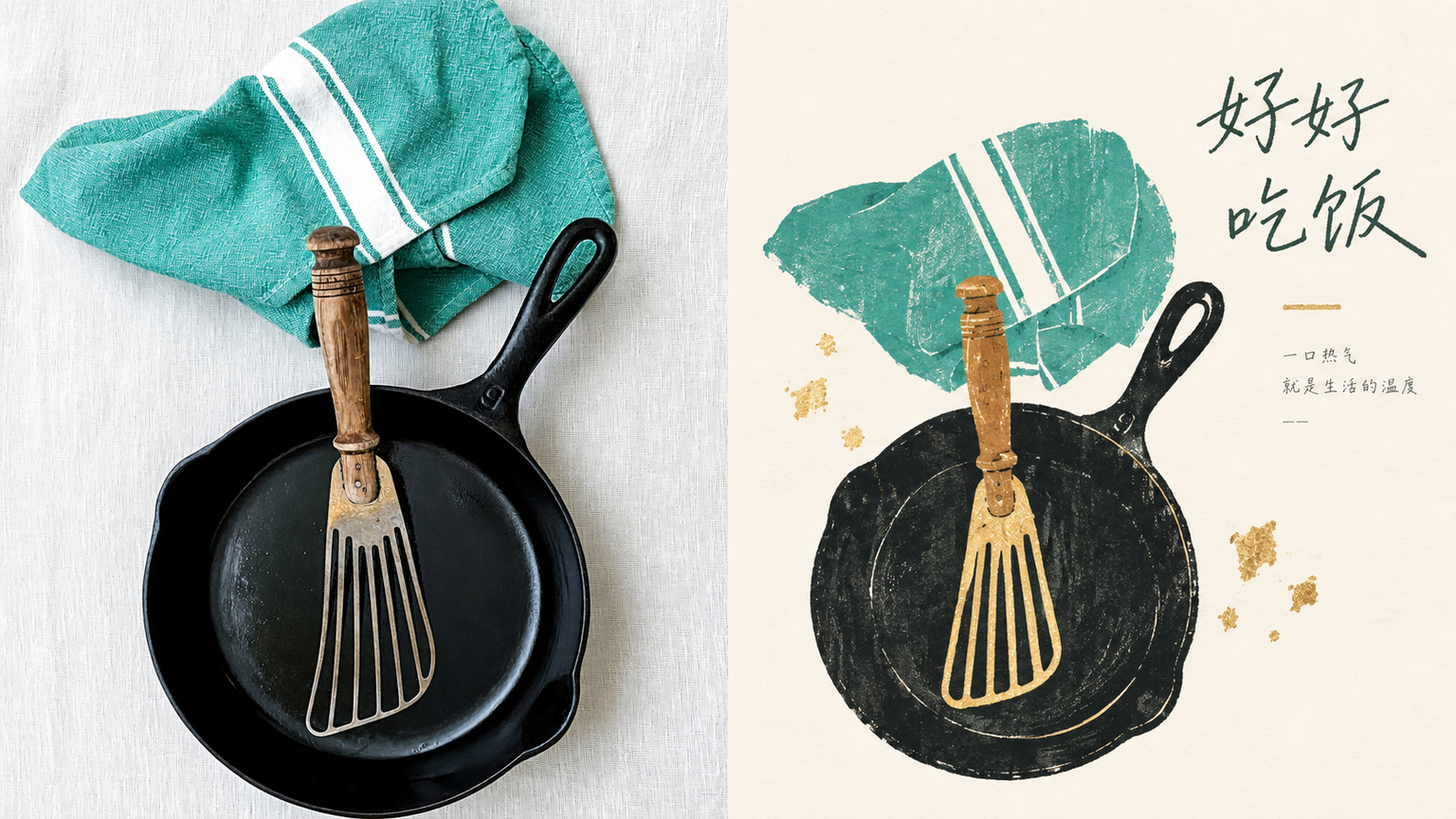
Ideal for transforming an ordinary photo into a page of artist illustration for an independent publication. The upper half is the original image; the lower half retains only one subject, one emotion, and one metaphor. Keep the subject near the center, with rounded forms and naive, childlike lines. Preserve irregular edges, paint coverage, paper texture, and hand-drawn imperfections. Avoid complex backgrounds, multiple narrative elements, and digital perfection.
Recommended by
淡苍
Why we love this skill
Turns a photo into a spacious folk-art vignette with a single subject, flat color blocks, irregular handmade edges, and deliberately preserved paper texture and naïve charm—far from complex narratives or digital perfection.
Best for
Best for turning everyday photos into single-page artist illustrations with an independent-publication feel.
How to use this Skill
Provide your input
Provide one ordinary photo or an image directory.
Run the Skill
Refine the image into a naive folk-art illustration centered on a single subject and emotion, preserving paper texture, paint coverage, and hand-drawn irregularities while simplifying the background and narrative elements.
Review your result
Output a finished PNG illustration with the subject near the center and generous areas of visible paper.
Related Skills
View all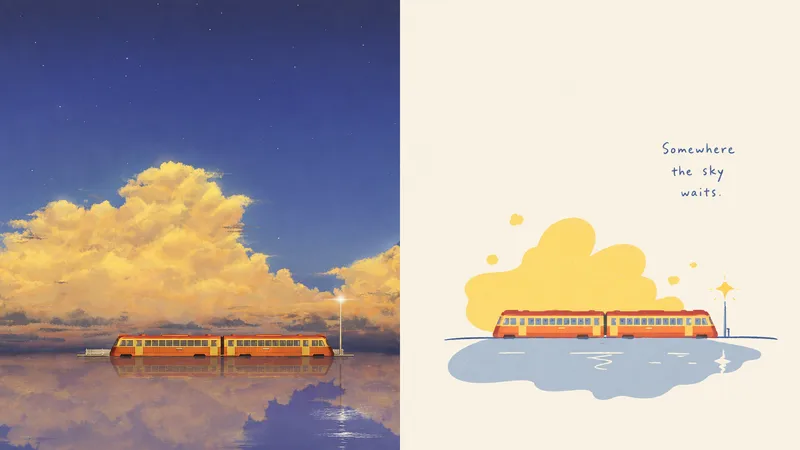 Image
Imagexiaoxiaodong P151 | Naïve Flat Sketch
Ideal for organizing personal photography, independent publishing, exhibition studies, and lifestyle visual projects. Even when the original photo has an ordinary composition, a cluttered background, or a small subject, you can reestablish the focal point through reduction, reorganization, cropping, and changes in scale—instead of simply applying a filter to the photo. The lower section extracts only the most recognizable subjects, contours, structures, gestures, and narrative relationships from the photo. It then makes new artistic judgments and reconstructs them in a Naïve Illustration + Flat Character Illustration + Hand-drawn Doodle style. Do not copy the photo in full or redraw every object individually, and do not retain the complete background. Actively remove most unrelated information, leaving only the structures, visual direction, and visual memory cues that best represent the spirit of the original. Recreate them with highly simplified geometric forms, irregular organic color blocks, and a minimal number of hand-drawn lines, so viewers can immediately recognize their correspondence with the photo above.
 Image
Imagexiaoxiaodong P125 | Crayon Zine
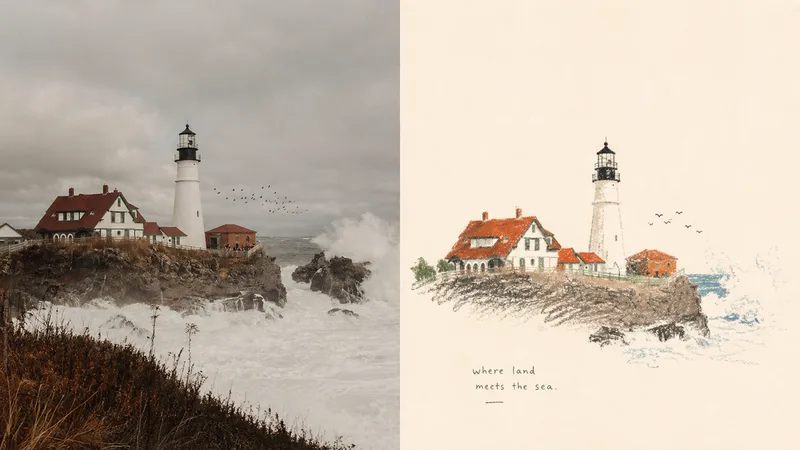
Suitable for organizing personal photography, independent publishing, exhibition practice, and lifestyle visual projects. Even when the original composition is ordinary, the background is cluttered, or the subject is small, you can reestablish a visual focus through subtraction, reorganization, cropping, and changes in scale—instead of simply applying a filter to the photo. The lower section extracts only the most recognizable subjects, outlines, structures, poses, and narrative relationships from the photo, then reconstructs them as a digitally simulated, childlike hand-drawn illustration with crayon or oil pastel texture. Do not copy the photo in full, redraw every object individually, or retain most of the background and unrelated elements. Remove irrelevant details and keep only the structures, lines of movement, and visual cues that best represent the original subject. Through simplification, subtraction, and reorganization, make the connection between the illustration and the photo above immediately recognizable.
 Image
ImageGPT2 x Naive Hand-Drawn
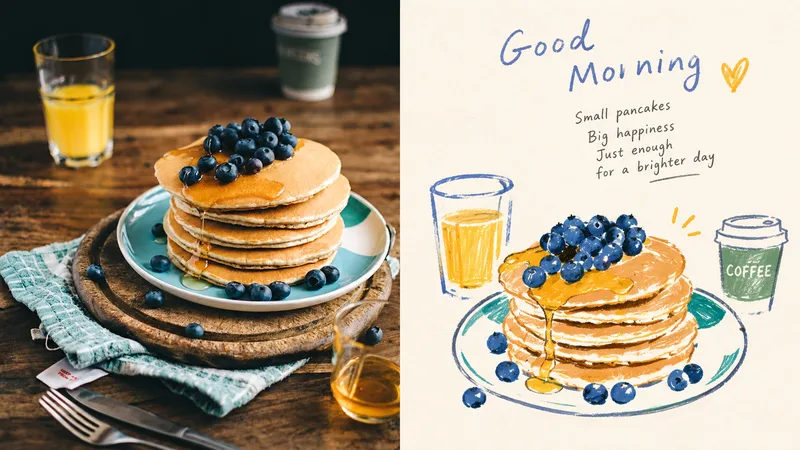
Ideal for turning everyday photos into contemporary naïve hand-drawn art for personal albums, independent stationery, and small-scale art publishing. The top half preserves the recognizable original photo; the bottom half keeps only its most soulful shapes, reinterpreted with loose, slightly wobbly colored outlines, marker, and colored pencil. Keep the subject small, surrounded by warm cream white. Draw a few of the most expressive colors from the original image. Keep them warm and matte, with select areas allowed to be slightly more vivid. Preserve paper grain, overrun lines, and pauses. Avoid smooth vectors, polished edges, complex shadows, 3D, and formal commercial titles.
Information
- Version
- v3
- Last updated
- Runtime credits
- Usage-based
- Models
- Auto
- Use cases
- Images & design
- What you get
- Image
- Visual styles
- MinimalistHand-drawnPaper art