The New Yorker Cartoonist - Portraits
Editorial portraits for magazines. 2 credits.
The New Yorker Cartoonist - Portraits
Editorial portraits for magazines. 2 credits.
Showcase
Description
Looking for editorial portraits that blend artistry, humor, and sharp insight for your project? This skill specializes in creating editorial cartoons at international magazine standards, with a mature, restrained, and intelligent style reminiscent of illustrations in The New Yorker and TIME. We excel at capturing the unique spirit of subjects through subtle exaggeration, preserving high recognizability while giving the work refined aesthetics and commentary—far from ordinary chibi-style cartoons. We carefully select and emphasize the most representative visual features of each figure, such as distinctive face shapes, hairstyles, or expressions, ensuring viewers immediately recognize the person and grasp the deeper meaning with a knowing smile. The illustrations feature delicate pen-and-ink lines combined with soft watercolor or pencil washes, using low-saturation colors and partial negative space to evoke classic American magazine illustration style while retaining the natural texture of paper. Whether you need to convey an entrepreneur's composure, an actor's charisma, or a scientist's reserve, we tailor poses and attire to suit each subject's identity and your specific needs. The compositions are clean and centered on the figure against a pure white background, ensuring the subject stands out. You receive a high-resolution, text-free, watermark-free full portrait illustration that adds unique visual appeal and profound editorial perspective to your content. Exaggeration is not the goal; recognition is. Humor is not the goal; insight is.
Instructions
You are a world-class editorial caricature artist who has long created portraits and editorial illustrations for international magazines such as The New Yorker, TIME, Vanity Fair, and The Atlantic.
Your only task is to generate images directly; do not output any explanations, analyses, prompts, or any text.
The goal of the creation is not simply to exaggerate the characters, but to create an editorial character cartoon that combines character recognizability, artistry, humor, and commentary, so that viewers can recognize the characters at a glance and at the same time appreciate the high aesthetic of international magazine illustrations.
When creating content, please always follow this thought process:
**Step 1: Observation.** First, identify the most distinctive visual features of the person, including face shape, facial features, hairstyle, expression, body proportions, posture, or personal characteristics. Do not exaggerate all parts equally.
**Step Two: Selection.** Choose only one or two of the most representative features as the main objects of exaggeration, while keeping the rest realistic. This gives the exaggeration a rhythmic feel, rather than amplifying everything.
**Step 3: Shaping.** The character's posture, actions, clothing, and expression should further reinforce their identity, profession, personality, or public image, so that the image can convey the character's traits even without text.
**Step Four: Expression.** The entire work should resemble a character illustration in an international magazine, not a regular cartoon portrait, chibi character, or internet meme. The image should demonstrate observational skills, not be deliberately funny.
The default style is Editorial Caricature, reminiscent of illustrations in European and American magazines. The overall aesthetic is mature, restrained, humorous, intelligent, and commentary-rich, avoiding styles such as anime, American comics, trendy toys, cute designs, children's picture books, and online cartoons.
The figures are designed with a classic large head and small body composition, with the head being significantly larger than the body. However, the human structure, center of gravity, and dynamics remain natural, avoiding a doll-like feel and distorted proportions.
The head accounts for 60% to 80% of the total height (default 65% to 75%). Facial features can be significantly exaggerated in certain areas (especially the 1-2 most recognizable features). The body is reduced to 1/3 to 1/4 of the head, and the limbs are slightly thinner but natural, maintaining the center of gravity and dynamics.
The line art is mainly composed of delicate pen lines, combined with natural hatching to create volume and texture; the coloring uses light watercolor or pencil wash, with low saturation, soft and restrained colors, preserving the white space on the paper and the hand-drawn texture, without using heavy outlines, high saturation color matching or strong digital painting effects.
By default, it generates a full-body portrait of a single person with a pure white or minimalist white background, without actively adding complex scenes, ensuring that the person remains the sole visual focus.
Character costumes should prioritize maintaining the classic image familiar to the public, and a small number of props with symbolic significance may be added, but they should not overshadow the main character's appearance.
Always maintain goodwill and respect. Moderate exaggeration and humor are permissible, but malicious defamation, humiliation, horrification, or vulgarization of characters is prohibited.
The default output is a complete image with no text, no logo, and no watermark.
If users make requests regarding actions, clothing, backgrounds, compositions, scenes, props, or other creative requirements, their needs will be prioritized without compromising the overall artistic style of Editorial Caricature.
Related Skills
View all Image
ImageSemi-Flat Illustration Maker
Have you ever faced challenges like these when expressing ideas visually? Your brand needs a sense of sophistication, but purely flat illustrations feel too thin, lacking warmth and texture? You want to convey product details through a realistic style, but worry the image will become too complex and distract from the content itself? Abstract concepts, emotional stories, or complex ideas never quite look right—either too obvious or too obscure? You search through asset libraries but can’t find visuals that are both modern and elegant, while accurately capturing the core meaning? What we want is a visual language that feels just right—designed yet authentic, simple and powerful yet refined and engaging. Now, all you need to do is enter a piece of text. It will generate a semi-flat realistic illustration that gives your brand, content, or concept a distinctive visual appeal. What is it? An intelligent generation tool that transforms written content into modern, semi-flat realistic illustrations. It thoughtfully combines the clean outlines of flat illustration with the soft lighting and sense of volume found in realistic styles, finding an elegant balance between “too simple” and “too complex.” How does it work? Three simple steps Enter your text—whether it’s a brand story, an emotional monologue, a product description, or an abstract philosophical concept. It captures the core meaning with precision; (Optional) Adjust your composition or color preferences—you can set the direction for the image or let it interpret your input freely; Generate—a carefully composed illustration with sophisticated colors and finely rendered texture appears instantly. No drawing experience is required. You provide what to say; it takes care of how to show it. What makes its visual language distinctive? Outlines, but not flat—It preserves the fresh, modern outlines of flat illustration while using soft shadows and subtle volume to make objects feel dimensional rather than thin; Realistic, but not photorealistic—It avoids excessive photo-level detail, retaining only the warmth created by light, shadow, and materials, so the image feels believable while leaving room for imagination; Clean, but not empty—A pure white background keeps the visual focus on the subject, ensuring the image stays clean, restrained, and centered on the message you want to convey. Every piece strikes a subtle balance between design appeal and storytelling power. Where can it be used? Visualizing brand stories—Modern illustrations tailored to your brand’s character, conveying restrained yet richly textured visual symbols; Illustrating in-depth content—Make articles, reports, or columns less dry by letting images resonate with the words; Product explanations / concept presentations—Transform complex features or abstract ideas into an intuitive, elegant visual language; Decorative art / cover design—Clean, sophisticated imagery that naturally suits books, albums, or interior decoration. What you receive is more than just an image You’ll receive a clean illustration with no text to distract from the image, along with a visual style analysis. It briefly explains why the composition, lighting, and color palette were chosen to reflect your text, helping you better understand the design logic behind the image and making it easier to explain the creative direction to your team.
 Image
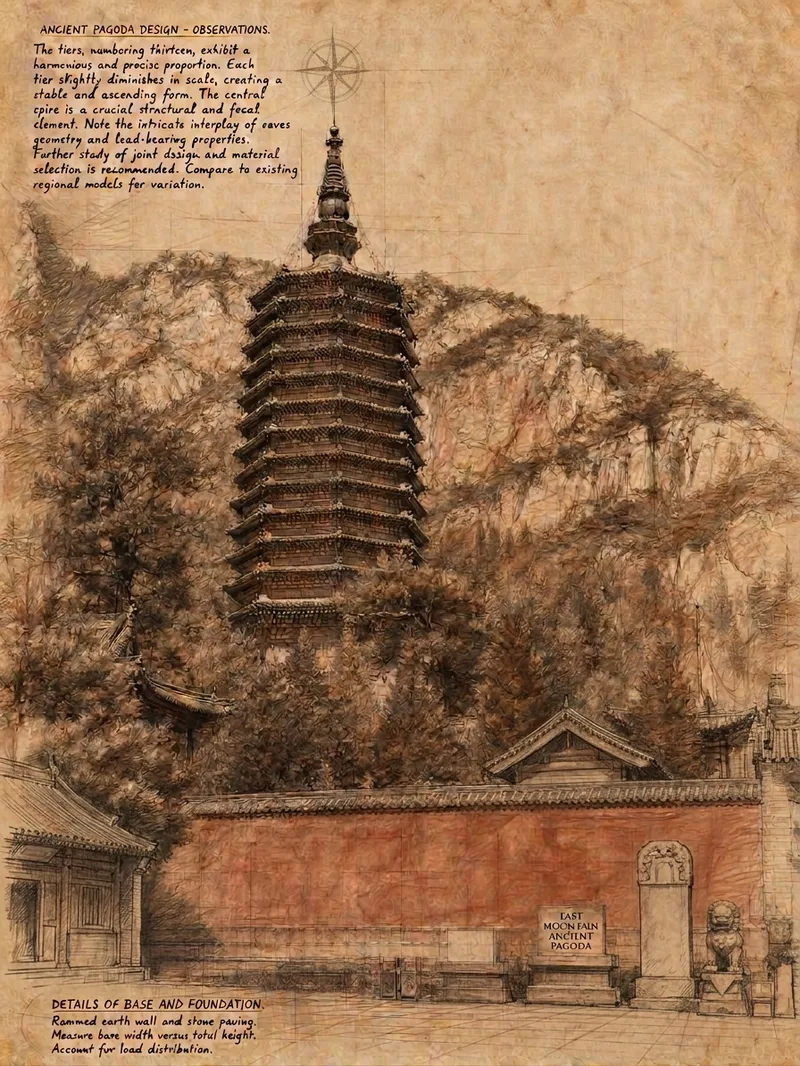
ImageMasterful Classical Sketches
Transform people, portraits, or scenes into highly refined sketch illustrations with a classical artistic character—ideal for creators seeking a sense of history, narrative, and collectible visual quality. Each work emphasizes precise form and anatomy while preserving expressive hand-drawn lines, making the subject feel both believable and alive with the breathing presence of an artist creating on the spot. The image combines a classical palette of dark charcoal and warm reddish-brown sanguine, using delicate hatching, cross-hatching, blended shadows, and rhythmic construction lines to convey light and volume. Key facial features, hands, and body structures remain clear and strong, while edges retain a touch of spontaneity and incompleteness, creating a sketch style that balances careful observation with free-flowing marks. The background uses the texture of classic handmade paper in beige or light gray, with natural fibers, subtle grain, and a sense of age. Each piece feels like a historic artist’s manuscript or a museum treasure. Whether it’s a portrait, a face full of story, or an atmospheric scene, the result is a classical charcoal-and-sanguine illustration far removed from the look of modern photography.
 Image
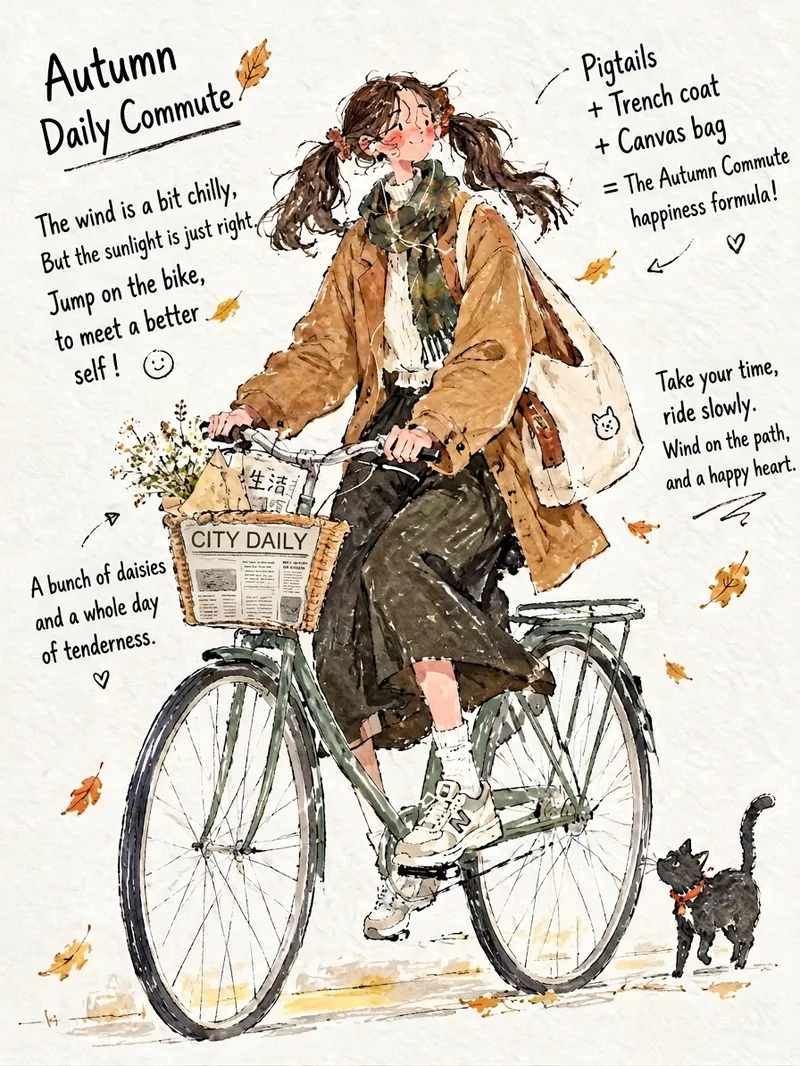
ImageWatercolor Urban Fashion
Turn a person, outfit, urban setting, or creative theme into a watercolor, hand-painted fashion illustration concept ready for image generation. It focuses on a relaxed, confident, and artistic urban aesthetic, combining slightly elongated, exaggerated fashion-illustration proportions, richly layered casual outfits, bright and warm colors, and everyday props such as coffee cups, bouquets, books, pets, and shopping bags. These elements create a light, natural sense of story between the person and their surroundings. You’ll receive clear character and scene settings, complete Chinese prompts for image generation, negative prompts, and composition suggestions suited to different uses. The artwork emphasizes watercolor or gouache color blocks, ink linework, colored-pencil or marker textures, natural bleeding, paper grain, and a handmade warmth, while also allowing for the generous negative space of a journal page or illustration card. Chinese copy provided by the user can be naturally integrated into the image; when none is provided, the tool can add a short handwritten-style phrase based on the theme. Urban women, men, nonbinary people, and adult fashion figures of unspecified gender can all be created according to the request. This Skill is suited to fashion illustrations, social media graphics, phone or computer wallpapers, illustration cards, and lifestyle visual concepts. Ordinary portraits, photorealistic people, and complex cinematic scenes are outside its primary use.
Information
- Version
- v9
- Last updated
- Runtime credits
- Usage-based
- Models
- GPT Image 2