金句卡片
從文字製作活版印刷語錄卡片,支援多語言。
描述
為什麼我們推薦這個技能
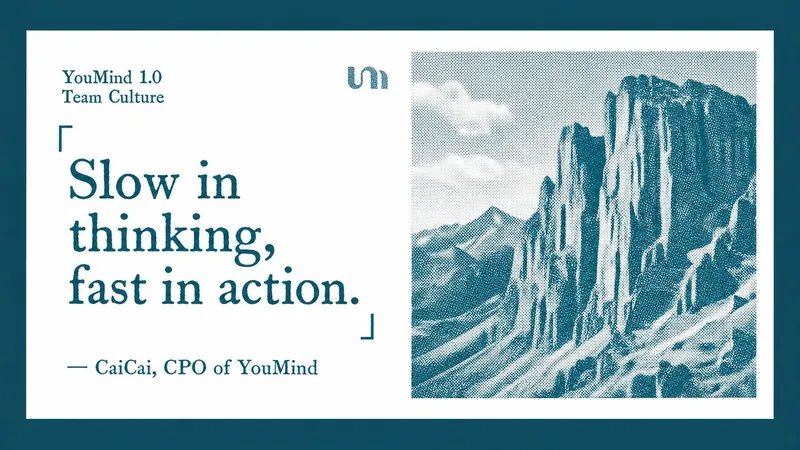
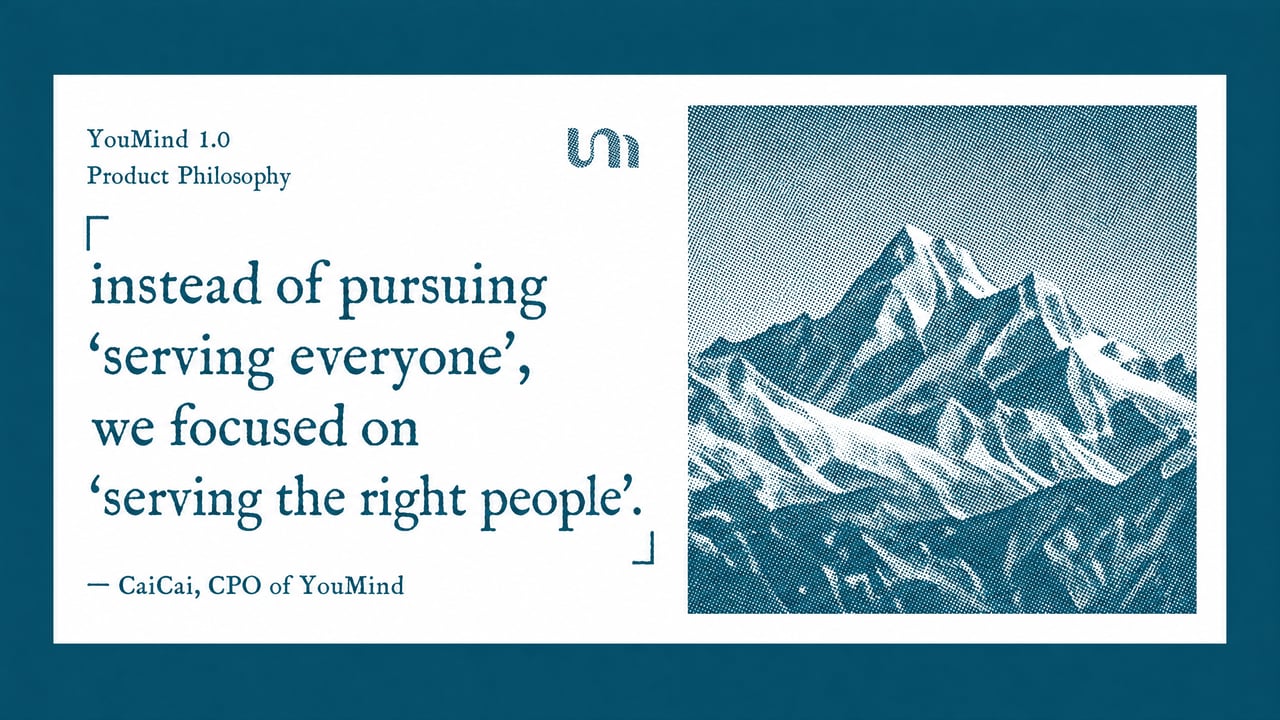
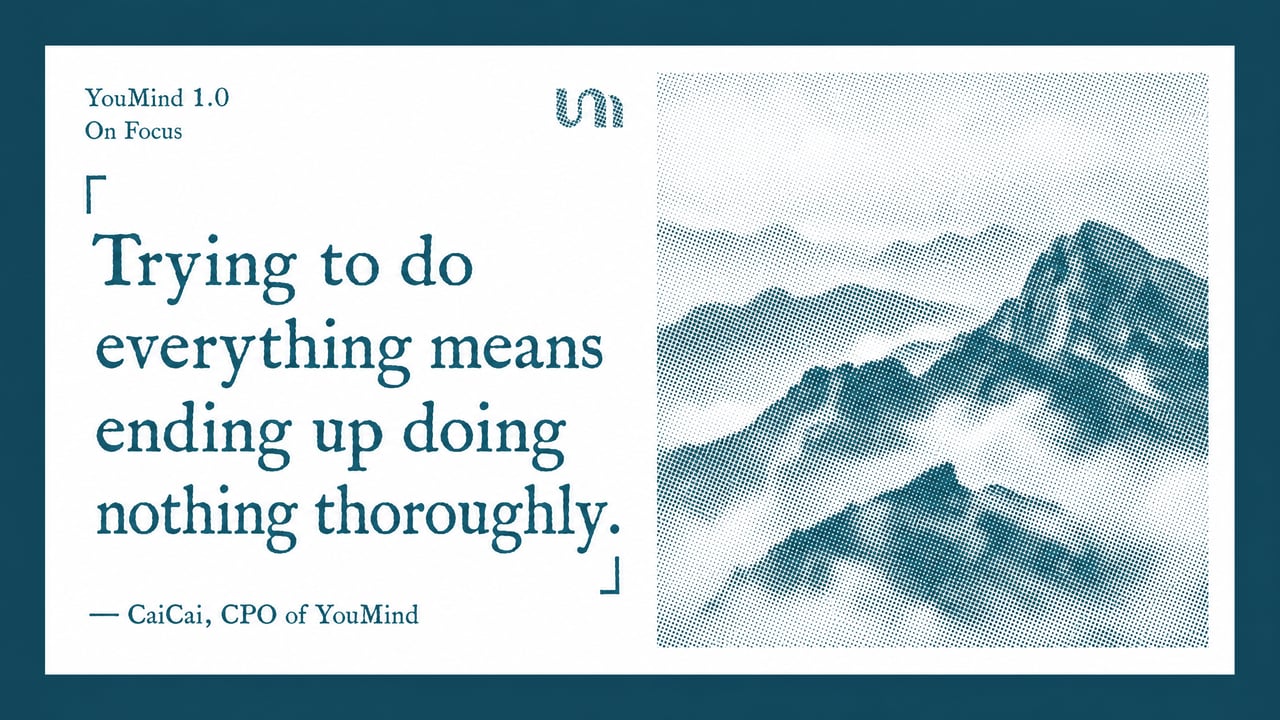
將文字與文章化為優雅的活版印刷語錄卡片,結合半色調山景與多語排版,為見解打造精緻視覺。
將您喜愛的名言與發人深省的段落,轉化為精心打造的活版印刷風格卡片。此技能擅長從您提供的任何文章文字、網頁 URL 或文件中擷取出「金句」,然後生成一系列具有復古印刷美感的優雅橫式語錄卡片。 每張卡片採用純白背景,左側展示您選擇的引言,並呈現真實的活版印刷瑕疵,如墨水空隙與不均勻的筆觸。右側則是一張獨特的半色調風景照片——從雲霧繚繞的山脊到白雪覆蓋的山峰——增添一份自然的寧靜感,並整體染上精緻的點綴色。 無論您是從冗長的報告中挑選智慧,還是從線上文章中強調重點,此工具都能確保每張卡片維持一致且精緻的設計。它會貼心地將每張生成的語錄卡片放回您文件中的原始上下文,或放入新建立的文章中,讓您輕鬆分享或回顧具有永恆視覺魅力的深刻想法。
相關技能
查看全部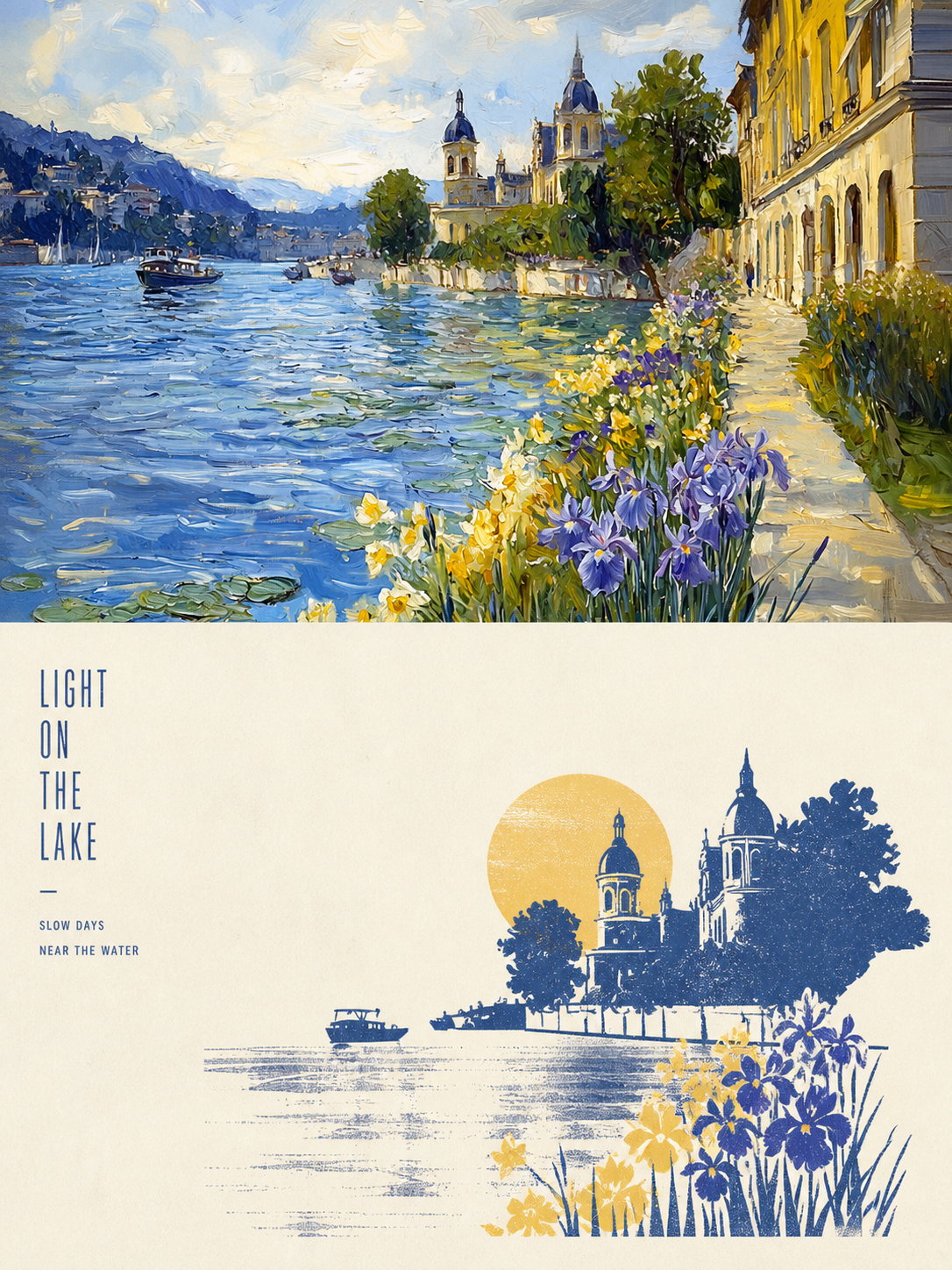 圖片
圖片小小東 x 絲網 x 版畫 x P086
Panel 086 只留下 3–5 個決定畫面成立的視覺資訊,以剪影、幾何形與簡潔色塊重新塑造主體,再用 2–4 種源自照片的專色、dry-brush、brayer texture、dragged ink、broken ink 與 uneven coverage,形成中世紀現代主義絲網版畫。構圖始終追求一個明確焦點、一個主要方向,以及一片有意義的留白。 適合這些情況 希望照片更有視覺秩序:只保留 3–5 個關鍵視覺資訊,用剪影、幾何形與色塊建立明確焦點。 想要真實版畫觸感:讓乾刷、滾墨、橫向拖墨、飛白、斷墨與不均勻覆蓋成為畫面語言。 希望色彩鮮明但克制:將原圖最有生命力的關係壓縮為 2–4 種專色,並讓紙基與留白真正參與構圖。 需要靈活交付:支援上下、左右、純設計、多種比例與四端壁紙,也能批次處理圖片目錄。
 圖片
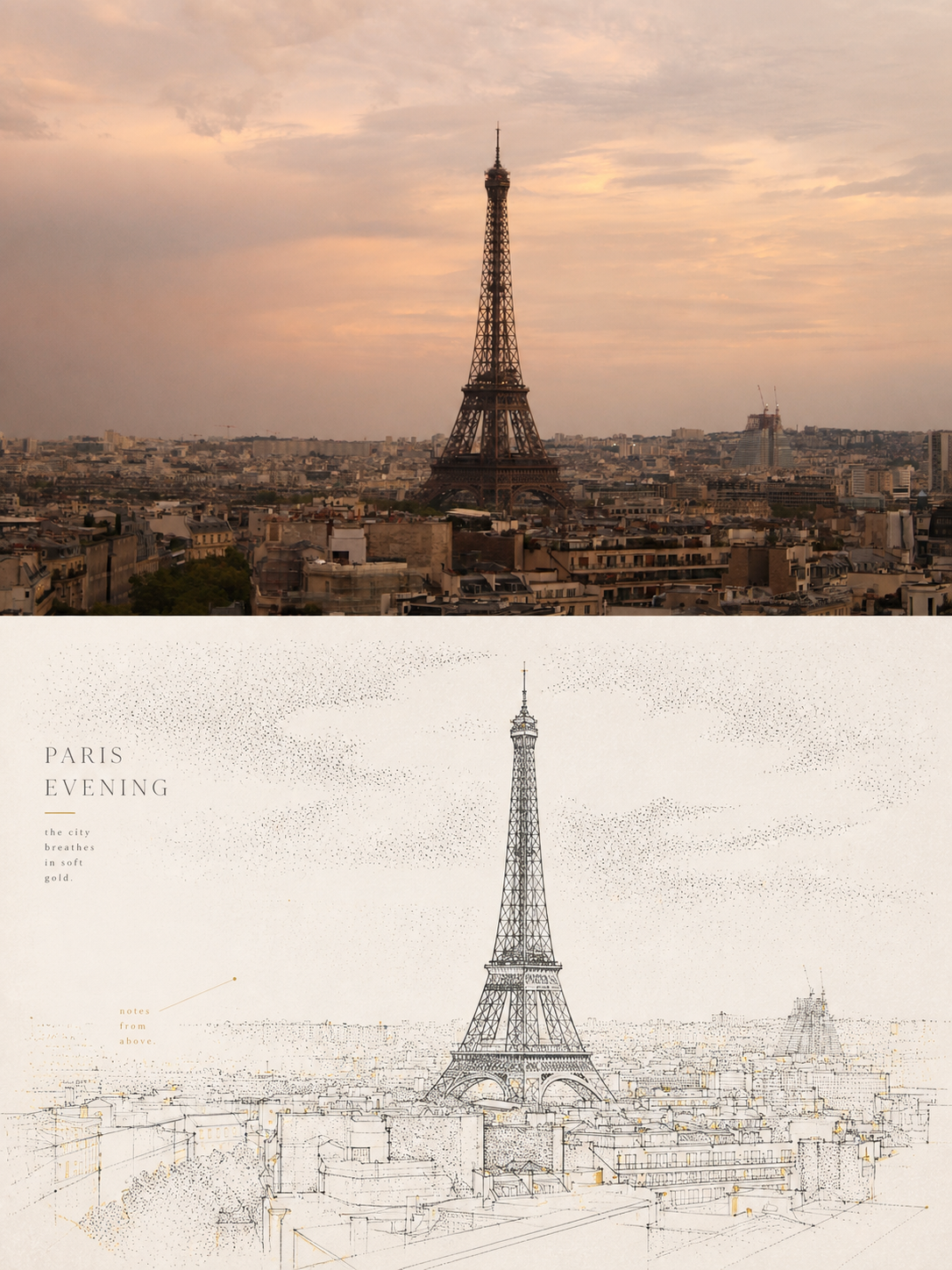
圖片小小東 x 線描 x 點描 x P084
Panel 084 用黑色或深色細線提煉主體、建築、道路與空間關係,以垂直線、水平線、折線、弧線和透視引導線建立幾何骨架;再用 stippling/dotted texture 的疏密變化塑造天空、地面、遠景、樹影、燈光與主體周圍的空氣層次。複雜背景會主動刪減,留下清楚焦點、大面積留白與少量來源明確的強調色。 適合這些情況 城市、建築與空間關係需要被看清:用幾何細線、透視引導線和關鍵輪廓提煉道路、建築與場景結構。 想表現空氣、光和景深而不鋪滿紋理:透過 stippling/dotted texture 的疏密漸變塑造安靜層次。 偏愛克制的限制色:以藍灰、米白、暖白為主,只讓少量來自原圖的 spot color 點亮焦點。 需要靈活交付:支援上下、左右、純設計、多種比例和四端壁紙,也能批量處理圖片目錄。
 圖片
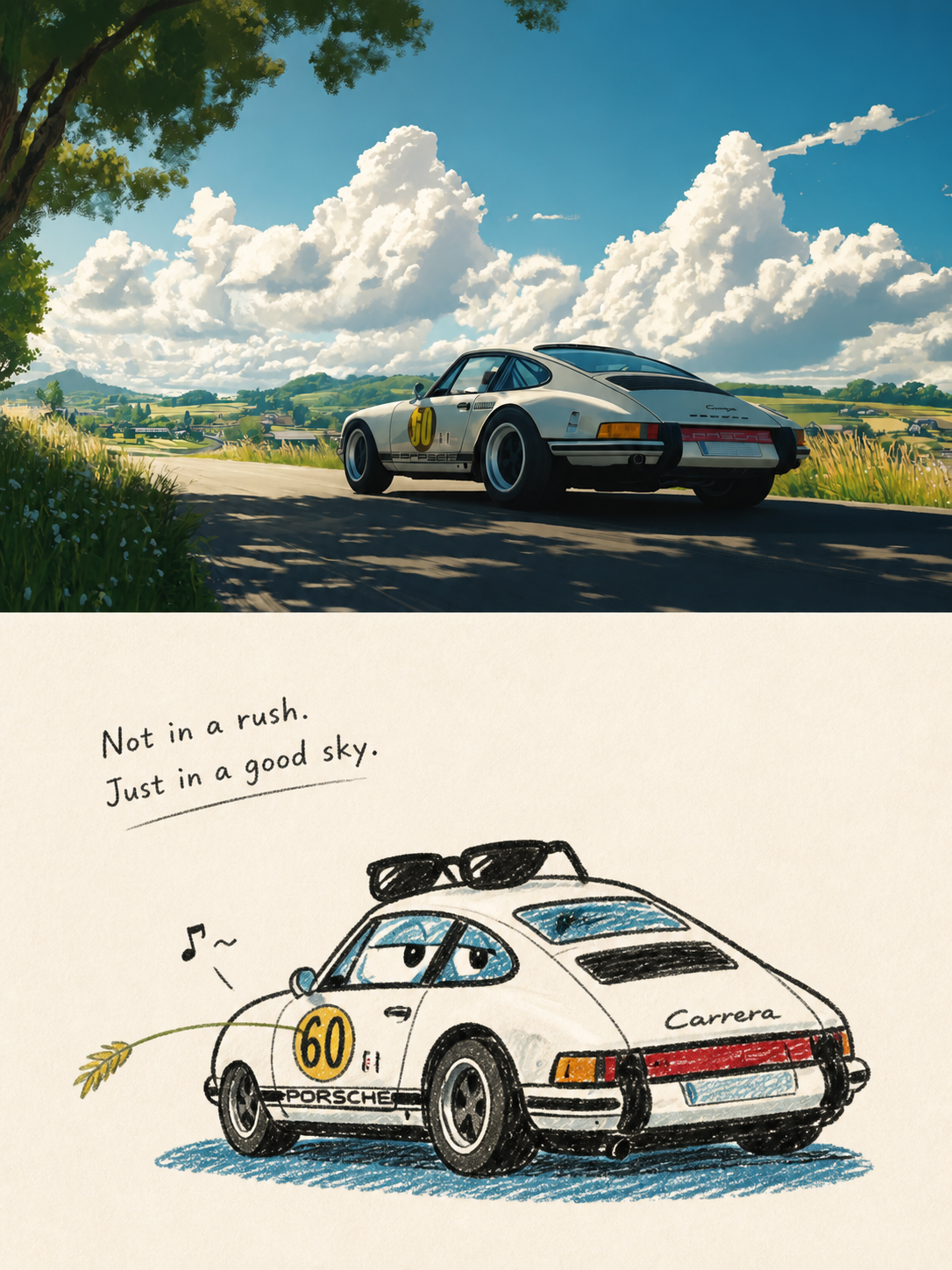
圖片小小東 x 塗鴉 x 稚拙 x P083
Panel 083 會先重新解讀照片,只留下最值得記住的一個主體,以及至多一兩個必要的環境暗示,再將某個比例、動作、表情或結構控制性地畫歪、畫笨,畫得有點荒誕。發抖的輪廓、故意失準的比例、粗糙蠟筆與留白共同形成 Ugly-cute naïve doodle;身分必須準確,幽默必須來自原圖,而不是隨意加梗。 適合這些情況 照片裡有一個值得放大的性格瞬間:從動作、表情、比例或反差中找到幽默,而不是機械地轉成線稿。 想要醜萌但不想要廉價可愛:故意畫歪、畫笨,畫得略帶荒誕,同時確保主體身分一眼可辨。 希望讓複雜場景變得少而精準:只保留一個主體和至多一兩個環境暗示,用粗糙上色與大片留白強化記憶點。 需要彈性交付:支援上下、左右、純設計、多比例和四端桌布,也能批次處理圖片目錄。
金句卡片
從文字製作活版印刷語錄卡片,支援多語言。
描述
為什麼我們推薦這個技能
將文字與文章化為優雅的活版印刷語錄卡片,結合半色調山景與多語排版,為見解打造精緻視覺。
將您喜愛的名言與發人深省的段落,轉化為精心打造的活版印刷風格卡片。此技能擅長從您提供的任何文章文字、網頁 URL 或文件中擷取出「金句」,然後生成一系列具有復古印刷美感的優雅橫式語錄卡片。 每張卡片採用純白背景,左側展示您選擇的引言,並呈現真實的活版印刷瑕疵,如墨水空隙與不均勻的筆觸。右側則是一張獨特的半色調風景照片——從雲霧繚繞的山脊到白雪覆蓋的山峰——增添一份自然的寧靜感,並整體染上精緻的點綴色。 無論您是從冗長的報告中挑選智慧,還是從線上文章中強調重點,此工具都能確保每張卡片維持一致且精緻的設計。它會貼心地將每張生成的語錄卡片放回您文件中的原始上下文,或放入新建立的文章中,讓您輕鬆分享或回顧具有永恆視覺魅力的深刻想法。
相關技能
查看全部圖片小小東 x 絲網 x 版畫 x P086
Panel 086 只留下 3–5 個決定畫面成立的視覺資訊,以剪影、幾何形與簡潔色塊重新塑造主體,再用 2–4 種源自照片的專色、dry-brush、brayer texture、dragged ink、broken ink 與 uneven coverage,形成中世紀現代主義絲網版畫。構圖始終追求一個明確焦點、一個主要方向,以及一片有意義的留白。 適合這些情況 希望照片更有視覺秩序:只保留 3–5 個關鍵視覺資訊,用剪影、幾何形與色塊建立明確焦點。 想要真實版畫觸感:讓乾刷、滾墨、橫向拖墨、飛白、斷墨與不均勻覆蓋成為畫面語言。 希望色彩鮮明但克制:將原圖最有生命力的關係壓縮為 2–4 種專色,並讓紙基與留白真正參與構圖。 需要靈活交付:支援上下、左右、純設計、多種比例與四端壁紙,也能批次處理圖片目錄。
圖片小小東 x 線描 x 點描 x P084
Panel 084 用黑色或深色細線提煉主體、建築、道路與空間關係,以垂直線、水平線、折線、弧線和透視引導線建立幾何骨架;再用 stippling/dotted texture 的疏密變化塑造天空、地面、遠景、樹影、燈光與主體周圍的空氣層次。複雜背景會主動刪減,留下清楚焦點、大面積留白與少量來源明確的強調色。 適合這些情況 城市、建築與空間關係需要被看清:用幾何細線、透視引導線和關鍵輪廓提煉道路、建築與場景結構。 想表現空氣、光和景深而不鋪滿紋理:透過 stippling/dotted texture 的疏密漸變塑造安靜層次。 偏愛克制的限制色:以藍灰、米白、暖白為主,只讓少量來自原圖的 spot color 點亮焦點。 需要靈活交付:支援上下、左右、純設計、多種比例和四端壁紙,也能批量處理圖片目錄。
圖片小小東 x 塗鴉 x 稚拙 x P083
Panel 083 會先重新解讀照片,只留下最值得記住的一個主體,以及至多一兩個必要的環境暗示,再將某個比例、動作、表情或結構控制性地畫歪、畫笨,畫得有點荒誕。發抖的輪廓、故意失準的比例、粗糙蠟筆與留白共同形成 Ugly-cute naïve doodle;身分必須準確,幽默必須來自原圖,而不是隨意加梗。 適合這些情況 照片裡有一個值得放大的性格瞬間:從動作、表情、比例或反差中找到幽默,而不是機械地轉成線稿。 想要醜萌但不想要廉價可愛:故意畫歪、畫笨,畫得略帶荒誕,同時確保主體身分一眼可辨。 希望讓複雜場景變得少而精準:只保留一個主體和至多一兩個環境暗示,用粗糙上色與大片留白強化記憶點。 需要彈性交付:支援上下、左右、純設計、多比例和四端桌布,也能批次處理圖片目錄。
發現下一個適合你的技能
繼續探索更多精選 AI 技能,用於研究、創作和日常工作。