競品分析
指令
Core Mission
Create an in-depth competitive intelligence analysis document for material A (the user's product/company).
Competitors to analyze: material B, material C, and material D.
Objective: Through comparative analysis, develop differentiated pricing, market positioning, and marketing strategies for material A.
Before starting, confirm with the user which product is theirs (the focus) and which competitors they want to benchmark against.
Phase 1: Deep Intelligence Gathering (Research)
Goal: Collect the latest intelligence on material A and the selected competitors across the web.
Focus areas:
- Core features: major updates from the past 3 months.
- Pricing strategy: free and paid tiers, plus enterprise pricing where available.
- User sentiment: extract key themes from Google, Reddit, X (Twitter), YouTube reviews, and other relevant review or community sources; distinguish positive and negative signals.
- Market positioning: how each company positions itself, including messaging and target audience.
- Distribution channels: where and how each product reaches customers.
Research actions:
- Use web search to find recent product updates, reviews, and pricing information.
- Read competitor websites, pricing pages, feature documentation, and relevant public materials.
- Extract and compare user sentiment from community discussions and review platforms.
- Ground every factual claim in the collected sources and clearly distinguish facts from analysis.
Phase 2: Structured Data Extraction and Analysis
Based on the collected intelligence, organize the following key data points in a structured competitive analysis document:
Feature differentiation:
- Features competitors have that material A lacks.
- Features material A has that competitors lack.
- Overlapping features, including meaningful differences in quality, usability, implementation, or maturity.
Value propositions:
- Each competitor's core selling point and unique value proposition.
- Material A's unique value proposition and strongest differentiation.
SWOT analysis for material A:
- Strengths: what material A does better than competitors.
- Weaknesses: where competitors have the advantage.
- Opportunities: market gaps or competitor vulnerabilities to exploit.
- Threats: competitive moves or market trends that pose risks.
4P marketing mix comparison:
- Product: feature set, quality, and innovation.
- Price: pricing tiers, value perception, and positioning.
- Place: distribution channels and market reach.
- Promotion: marketing tactics, messaging, and brand presence.
Create a well-structured competitive analysis document containing the extracted data, comparisons, source notes, and analytical conclusions. The final deliverable is a document only; do not create slides or any presentationeck.
Phase 3: Strategy Generation
Based on the research and analysis, include specific, actionable recommendations for material A in the same final competitive analysis document.
Pricing recommendations:
- Explain how material A can leverage price anchoring to compete effectively.
- Propose suitable pricing architecture and tier positioning, such as a high-value mid-tier that can undercut premium competitors while maintaining a strong quality perception.
- Identify pricing gaps and opportunities in the market.
Promotion strategy:
- Develop marketing messages that target meaningful competitor weaknesses without making unsupported claims.
- Recommend the strongest channels and campaigns for reaching customers competitors are missing.
Content moat strategy:
- Core narrative: distill material A's unique brand story or design philosophy beyond feature lists.
- Clarify the belief or vision driving the product and the problem it solves that others ignore.
- User education: design a How-to or Best Practices content series showcasing scenarios material A can solve especially well, including tutorials and use-case libraries.
- Trust assets: plan case studies or user testimonials that prove irreplaceable value, including measurable customer outcomes and relevant industry validation or expert endorsements.
End with a prioritized action plan, key assumptions, risks, and suggested next steps. The final output must remain a comprehensive competitive analysis document only. Do not ask whethered, create slored doate slor.
描述
推薦自
nene@YouMind
為什麼我們推薦這個技能
編輯精選:將分散的市場情報轉化為有來源依據的競爭策略,涵蓋功能、定價、聲量、定位與通路分析,並提出可執行的成長建議。
根據最新市場情報,系統比較競品的功能、定價、定位與使用者回饋,並為你的產品制定可執行的競爭與成長策略。 / Systematically compare competitors’ features, pricing, positioning, and user feedback using the latest market intelligence, then develop actionable competitive and growth strategies for your product.
相關技能
查看全部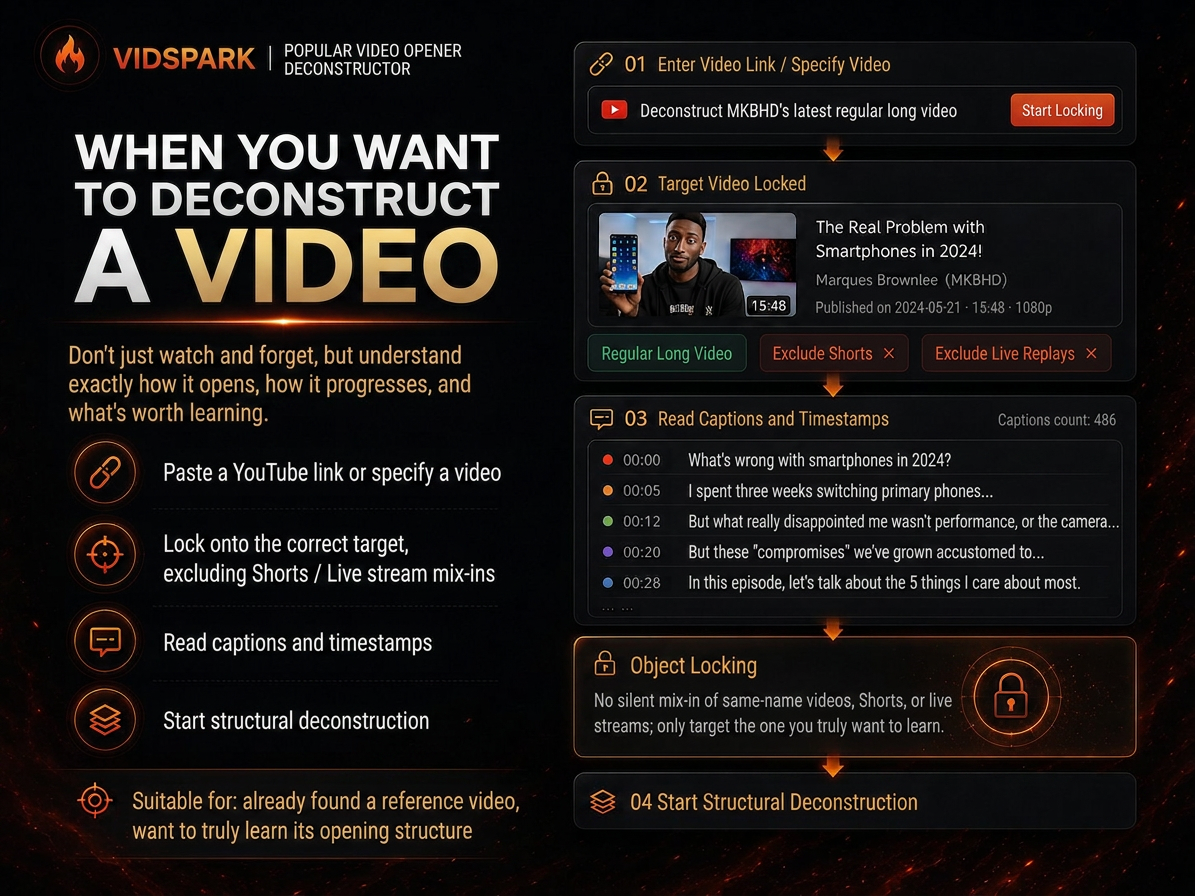 研究
研究火種|熱門影片開頭拆解器
準備製作影片時,我們經常會遇到一種情況:你明明看出某部參考影片「很會講」,但真正輪到自己製作時,只能憑感覺模仿。 「火種|熱門影片開頭拆解器」就是為這一步準備的。 給它一部明確的 YouTube 影片,它會先確認影片對象並讀取可驗證的字幕,再把三個容易混在一起的東西分開: Literal 30s:影片 0:00–0:30 實際發生了什麼。 Intro:進入主體前的完整開場。 Hook / Re-hook:真正承擔留住觀眾作用的一個或多個結構拍點。 因此,它不會因為「大家都說前 30 秒最重要」,就強行把所有影片的前 30 秒解釋成 Hook。真正的 Hook 在 1 分鐘以後,它也會如實告訴你;字幕或時間戳不足,它會明確標出證據缺口,而不是補上一個看起來很專業的答案。 完成開頭拆解後,它會繼續用提綱還原整部影片的內容結構:影片靠時間線、實驗、步驟、對比、故事、問題鏈,還是其他組織裝置往前推進?最後再把這些結構抽象成 [槽位] 模板。 模板保留的是結構順序和功能,不是原作者的經歷、措辭、品牌、數字、觀點或權威身分。 最終你得到的不是一份影片摘要,而是一張可以繼續交給下一步創作使用的 Hook Outline + 全片結構模板。 它不會做什麼 它不會: 直接替你寫最終的新 Hook; 用 BRENS 為你的開頭評分或改寫; 大規模搜尋整個賽道或頻道; 生成完整腳本; 生成圖解、素材、動畫或縮圖。 大規模尋找參考樣本屬於上游「火種|YouTube 內容研究員」;你自己的 Hook 打磨則屬於後續對應的 Skill。
 研究
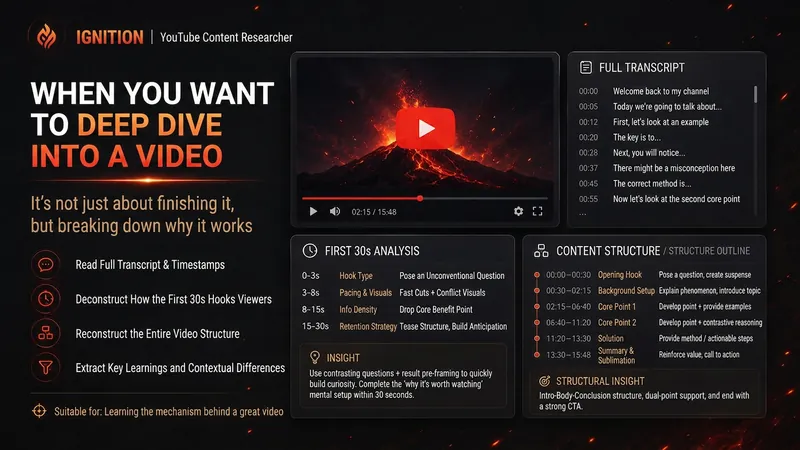
研究火種|YouTube 內容研究員
準備做一支影片,卻不知道這個題目別人已經怎麼做了? 「火種|YouTube 內容研究員」會真正進入 YouTube 進行研究:尋找相關影片、讀取字幕、拆解標題與前 30 秒、還原內容結構,並從多個樣本中找出反覆出現的表達方式、明顯差異,以及還沒有人做好的空白。 你可以用它來: 研究一個主題目前有哪些內容正被反覆採用 深入分析一支影片究竟是怎麼講的 掃描一個頻道的選題、標題和內容習慣 拆解前 30 秒的 Hook 與整支影片的結構 在既有影片中尋找新的創作切入點 研究你自己的成片應該如何重新包裝 它不會因為一支影片播放量高,就武斷地告訴你「這個標題一定有效」;拿不到字幕、時間戳或表現數據時,也會明確告訴你證據缺少在哪裡。 最後提供給你的不是一堆影片摘要,而是一份可以直接交給下一步選題、Hook 或腳本工作的 YouTube 研究簡報。 適合:YouTube 創作者、影片企劃、自媒體營運,以及每次動手拍攝前,都想先看看「這個題目別人已經做到哪一步」的人。
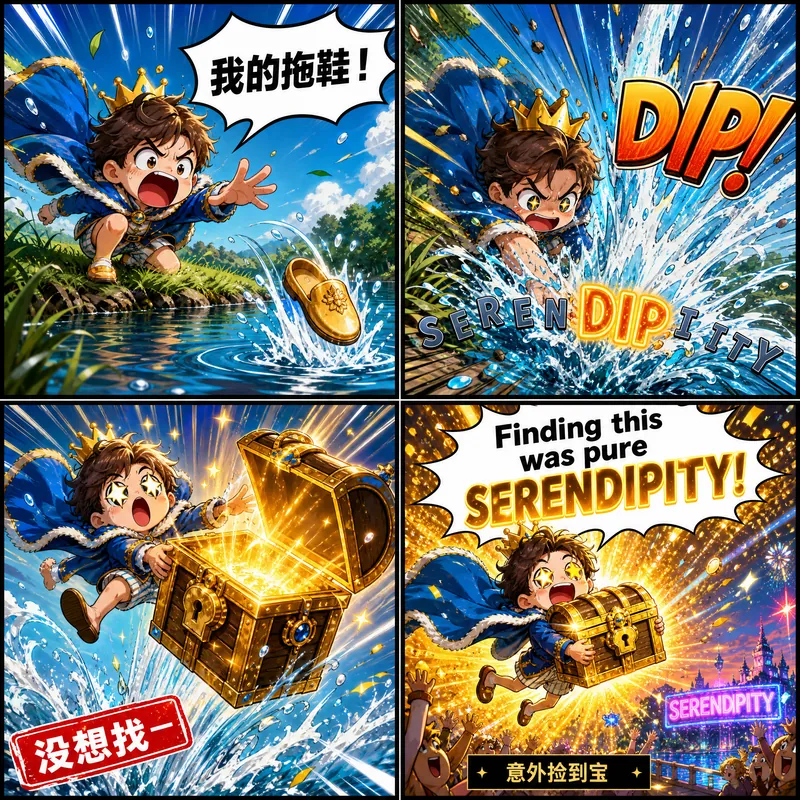
搞怪背單字
輸入一個英文單字,產出一張連環漫畫式記憶卡:諧音、詞義、例句全部畫進同一齣連續小戲的畫面裡(對話泡泡/招牌/擬聲字),圖外只保留一行標題資訊和一行回想提示。衝擊力優先於精緻,內容適合兒童。
競品分析
指令
Core Mission
Create an in-depth competitive intelligence analysis document for material A (the user's product/company).
Competitors to analyze: material B, material C, and material D.
Objective: Through comparative analysis, develop differentiated pricing, market positioning, and marketing strategies for material A.
Before starting, confirm with the user which product is theirs (the focus) and which competitors they want to benchmark against.
Phase 1: Deep Intelligence Gathering (Research)
Goal: Collect the latest intelligence on material A and the selected competitors across the web.
Focus areas:
- Core features: major updates from the past 3 months.
- Pricing strategy: free and paid tiers, plus enterprise pricing where available.
- User sentiment: extract key themes from Google, Reddit, X (Twitter), YouTube reviews, and other relevant review or community sources; distinguish positive and negative signals.
- Market positioning: how each company positions itself, including messaging and target audience.
- Distribution channels: where and how each product reaches customers.
Research actions:
- Use web search to find recent product updates, reviews, and pricing information.
- Read competitor websites, pricing pages, feature documentation, and relevant public materials.
- Extract and compare user sentiment from community discussions and review platforms.
- Ground every factual claim in the collected sources and clearly distinguish facts from analysis.
Phase 2: Structured Data Extraction and Analysis
Based on the collected intelligence, organize the following key data points in a structured competitive analysis document:
Feature differentiation:
- Features competitors have that material A lacks.
- Features material A has that competitors lack.
- Overlapping features, including meaningful differences in quality, usability, implementation, or maturity.
Value propositions:
- Each competitor's core selling point and unique value proposition.
- Material A's unique value proposition and strongest differentiation.
SWOT analysis for material A:
- Strengths: what material A does better than competitors.
- Weaknesses: where competitors have the advantage.
- Opportunities: market gaps or competitor vulnerabilities to exploit.
- Threats: competitive moves or market trends that pose risks.
4P marketing mix comparison:
- Product: feature set, quality, and innovation.
- Price: pricing tiers, value perception, and positioning.
- Place: distribution channels and market reach.
- Promotion: marketing tactics, messaging, and brand presence.
Create a well-structured competitive analysis document containing the extracted data, comparisons, source notes, and analytical conclusions. The final deliverable is a document only; do not create slides or any presentationeck.
Phase 3: Strategy Generation
Based on the research and analysis, include specific, actionable recommendations for material A in the same final competitive analysis document.
Pricing recommendations:
- Explain how material A can leverage price anchoring to compete effectively.
- Propose suitable pricing architecture and tier positioning, such as a high-value mid-tier that can undercut premium competitors while maintaining a strong quality perception.
- Identify pricing gaps and opportunities in the market.
Promotion strategy:
- Develop marketing messages that target meaningful competitor weaknesses without making unsupported claims.
- Recommend the strongest channels and campaigns for reaching customers competitors are missing.
Content moat strategy:
- Core narrative: distill material A's unique brand story or design philosophy beyond feature lists.
- Clarify the belief or vision driving the product and the problem it solves that others ignore.
- User education: design a How-to or Best Practices content series showcasing scenarios material A can solve especially well, including tutorials and use-case libraries.
- Trust assets: plan case studies or user testimonials that prove irreplaceable value, including measurable customer outcomes and relevant industry validation or expert endorsements.
End with a prioritized action plan, key assumptions, risks, and suggested next steps. The final output must remain a comprehensive competitive analysis document only. Do not ask whethered, create slored doate slor.
描述
推薦自
nene@YouMind
為什麼我們推薦這個技能
編輯精選:將分散的市場情報轉化為有來源依據的競爭策略,涵蓋功能、定價、聲量、定位與通路分析,並提出可執行的成長建議。
根據最新市場情報,系統比較競品的功能、定價、定位與使用者回饋,並為你的產品制定可執行的競爭與成長策略。 / Systematically compare competitors’ features, pricing, positioning, and user feedback using the latest market intelligence, then develop actionable competitive and growth strategies for your product.
相關技能
查看全部研究火種|熱門影片開頭拆解器
準備製作影片時,我們經常會遇到一種情況:你明明看出某部參考影片「很會講」,但真正輪到自己製作時,只能憑感覺模仿。 「火種|熱門影片開頭拆解器」就是為這一步準備的。 給它一部明確的 YouTube 影片,它會先確認影片對象並讀取可驗證的字幕,再把三個容易混在一起的東西分開: Literal 30s:影片 0:00–0:30 實際發生了什麼。 Intro:進入主體前的完整開場。 Hook / Re-hook:真正承擔留住觀眾作用的一個或多個結構拍點。 因此,它不會因為「大家都說前 30 秒最重要」,就強行把所有影片的前 30 秒解釋成 Hook。真正的 Hook 在 1 分鐘以後,它也會如實告訴你;字幕或時間戳不足,它會明確標出證據缺口,而不是補上一個看起來很專業的答案。 完成開頭拆解後,它會繼續用提綱還原整部影片的內容結構:影片靠時間線、實驗、步驟、對比、故事、問題鏈,還是其他組織裝置往前推進?最後再把這些結構抽象成 [槽位] 模板。 模板保留的是結構順序和功能,不是原作者的經歷、措辭、品牌、數字、觀點或權威身分。 最終你得到的不是一份影片摘要,而是一張可以繼續交給下一步創作使用的 Hook Outline + 全片結構模板。 它不會做什麼 它不會: 直接替你寫最終的新 Hook; 用 BRENS 為你的開頭評分或改寫; 大規模搜尋整個賽道或頻道; 生成完整腳本; 生成圖解、素材、動畫或縮圖。 大規模尋找參考樣本屬於上游「火種|YouTube 內容研究員」;你自己的 Hook 打磨則屬於後續對應的 Skill。
研究火種|YouTube 內容研究員
準備做一支影片,卻不知道這個題目別人已經怎麼做了? 「火種|YouTube 內容研究員」會真正進入 YouTube 進行研究:尋找相關影片、讀取字幕、拆解標題與前 30 秒、還原內容結構,並從多個樣本中找出反覆出現的表達方式、明顯差異,以及還沒有人做好的空白。 你可以用它來: 研究一個主題目前有哪些內容正被反覆採用 深入分析一支影片究竟是怎麼講的 掃描一個頻道的選題、標題和內容習慣 拆解前 30 秒的 Hook 與整支影片的結構 在既有影片中尋找新的創作切入點 研究你自己的成片應該如何重新包裝 它不會因為一支影片播放量高,就武斷地告訴你「這個標題一定有效」;拿不到字幕、時間戳或表現數據時,也會明確告訴你證據缺少在哪裡。 最後提供給你的不是一堆影片摘要,而是一份可以直接交給下一步選題、Hook 或腳本工作的 YouTube 研究簡報。 適合:YouTube 創作者、影片企劃、自媒體營運,以及每次動手拍攝前,都想先看看「這個題目別人已經做到哪一步」的人。
搞怪背單字
輸入一個英文單字,產出一張連環漫畫式記憶卡:諧音、詞義、例句全部畫進同一齣連續小戲的畫面裡(對話泡泡/招牌/擬聲字),圖外只保留一行標題資訊和一行回想提示。衝擊力優先於精緻,內容適合兒童。
發現下一個適合你的技能
繼續探索更多精選 AI 技能,用於研究、創作和日常工作。