
เขียน-ประเมิน-ปรับข้อเสนอ PRO V2.0
เฉพาะทุนชาติ/ศธ./จว. 12ขั้น×9มิติ×คู่×ตรวจเอกสาร
คำอธิบาย
🎯 ภาพรวมฟังก์ชันหลัก นี่คือระบบประเมินและปรับปรุงอัจฉริยะที่สร้างขึ้นเฉพาะสำหรับการสมัครทุนวิจัยระดับชาติ (สังคมศาสตร์) กระทรวงศึกษาธิการ และระดับจังหวัด โดยจำลองรูปแบบความคิดของผู้เชี่ยวชาญการประเมินที่มีประสบการณ์ 15 ปี ผ่านกลไกหลัก 3 ประการเพื่อรับประกันความเข้มงวดทางวิชาการและความสามารถในการแข่งขันของข้อเสนอ 🔧 กลไกหลัก 3 ประการ 1️⃣ วิธีการเชิงโครงสร้าง 12 ขั้นตอน ครอบคลุมวงจรชีวิตทั้งหมดของการประเมินข้อเสนอโครงการวิจัย: Phase 1-3: การวินิจฉัยพื้นฐาน - วิเคราะห์ประกาศอย่างลึกซึ้ง (แนวทางการสนับสนุน เกณฑ์การประเมิน ข้อกำหนดการสมัคร) - การ判断ประเภทสหวิทยาการ (ระบุ 8 ประเภทอย่างแม่นยำ) - การ识别ช่องว่างการวิจัย 5 มิติ (ทฤษฎี/วิธีการ/เชิงประจักษ์/นโยบาย/เทคโนโลยี) Phase 4-7: การประเมินองค์ประกอบหลัก - การวิเคราะห์โมเดล TMAQ ของคำถามวิจัย (4 มิติ: ทฤษฎี วิธีการ แนวคิด ปัญหา) - การทดสอบหลักการ SMART ของเป้าหมายวิจัย - การประเมินความสมบูรณ์ของกรอบเนื้อหาวิจัย - การจับคู่ประเภทแนวคิดวิจัย (6 ประเภท) Phase 8-10: การยกระดับคุณภาพเชิงลึก - การสกัดจุดยากและจุดสำคัญอย่างแม่นยำ (เกณฑ์การแยกแยะ + เส้นทางการ突破) - การขุดค้นจุดนวัตกรรม 7 มิติ - การ论证ความเป็นไปได้ 7 มิติ Phase 11-12: การปรับปรุงโดยรวม - การตรวจสอบคุณภาพ 9 มิติ (ความเข้มงวดทางวิชาการ ความเป็นนวัตกรรม ความเป็นไปได้ ฯลฯ) - คำแนะนำการปรับปรุงโดยรวมและรายงานสุดท้าย 2️⃣ กลไกการต่อสู้แบบคู่ขนาน (Builder vs Supervisor) หลักการทำงาน: - Builder (ผู้เขียนวิชาการ): สร้างแผนการปรับปรุงจากวัสดุของผู้ใช้ - Supervisor (ผู้ตรวจสอบวารสารชั้นนำ): ท้าทายแผนของ Builder ด้วยมาตรฐานที่เข้มงวดที่สุด - การทำซ้ำแบบต่อสู้: ผ่านการต่อสู้ 3 รอบเพื่อให้แน่ใจว่าแผนผ่านการพิจารณา สถานการณ์การประยุกต์ใช้: - เมื่อขุดค้นจุดนวัตกรรม: Builder เสนอจุดนวัตกรรม → Supervisor ตั้งคำถามถึงความใหม่ → ปรับปรุงซ้ำ - เมื่อ论证ความเป็นไปได้: Builder ออกแบบแผน → Supervisor ท้าทายความเป็นไปได้ → เพิ่มการ论证 - เมื่ออ้างอิงเอกสาร: Builder อ้างอิงเอกสาร → Supervisor ตรวจสอบความถูกต้อง → 确保มาตรฐานวิชาการ 3️⃣ กลไกการตรวจสอบความถูกต้องของเอกสาร สองโหมดการทำงาน: โหมด A: โหมดตัวยึดตำแหน่ง (ค่าเริ่มต้น) - ใช้เครื่องหมายเช่น [文献占位符-001] แทนเอกสารเฉพาะ - ส่งออก《รายการความต้องการเอกสาร》ระบุข้อกำหนดการ检索ของตัวยึดแต่ละตัว - ผู้ใช้检索เองแล้วกรอกเอกสารจริง โหมด B: โหมดตรวจสอบแบบ实时 - เรียกใช้ Google Scholar เพื่อตรวจสอบความถูกต้องของเอกสารแบบ实时 - สร้าง《รายงานการตรวจสอบเอกสาร》(คะแนนความถูกต้อง/ความเกี่ยวข้อง/ความน่าเชื่อถือ) - 确保การอ้างอิงแต่ละรายการสามารถ追溯ได้ ป้องกันภาพหลอนของ AI: - ห้ามสร้างผู้เขียน วารสาร DOI โดยพลการ - เอกสารทั้งหมดต้องผ่านการตรวจสอบหรือทำเครื่องหมายเป็นตัวยึด - รักษา底线ความซื่อสัตย์ทางวิชาการ 💡 คุณค่าหลักและสถานการณ์ที่เหมาะสม ✅ จุดเจ็บปวดหลักที่แก้ไข 1. ความไม่เข้มงวดทางวิชาการ: เนื้อหาที่สร้างโดย AI มักมีเอกสารเท็จ ช่องโหว่ทางตรรกะ 2. ความเป็นนวัตกรรมไม่เพียงพอ: ยากที่จะขุดค้นจุดนวัตกรรมทางวิชาการที่แท้จริง 3. ความเป็นไปได้อ่อนแอ: แผนวิจัยขาดการ论证อย่างเป็นระบบ 4. ความยากของสหวิทยาการ: การเลือกหัวข้อข้ามสาขาวิชามัก "ไม่เข้าทั้งสองทาง" 🎓 ผู้ใช้ที่เหมาะสม - อาจารย์มหาวิทยาลัย (สังคมศาสตร์ การศึกษา มนุษยศาสตร์) - นักวิจัย (สมัครทุนระดับชาติ ระดับกระทรวงและจังหวัด) - ทีมวิชาการ (ต้องการกระบวนการประเมินที่เป็นระบบ) 📋 กระบวนการใช้งานทั่วไป 1. ป้อน: อัปโหลดประกาศทุน + ร่างข้อเสนอ 2. ประเมิน: ระบบดำเนินการวิเคราะห์เชิงโครงสร้าง 12 ขั้น 3. ต่อสู้: กลไกคู่ขนานปรับปรุงส่วนสำคัญซ้ำ 4. ตรวจสอบ: ตรวจสอบความถูกต้องของเอกสาร 5. ส่งออก: รายงานการประเมินสมบูรณ์ + คำแนะนำการปรับปรุง + รายการเอกสาร 🔍 ความแตกต่างจากการประเมินแบบดั้งเดิม | มิติ | การประเมินโดยมนุษย์แบบดั้งเดิม | ระบบประเมินผู้เชี่ยวชาญ | |------|------------|---------| | ความลึกของการประเมิน | ขึ้นอยู่กับประสบการณ์ส่วนบุคคล | โครงสร้าง 12 ขั้น + ตรวจสอบ 9 มิติ | | ความเข้มงวดทางวิชาการ | ตรวจสอบ全面ได้ยาก | ตรวจสอบเอกสาร + การต่อสู้คู่ขนาน | | การขุดค้นนวัตกรรม | การตัดสินส่วนตัว | วิเคราะห์ระบบ 7 มิติ | | การ论证ความเป็นไปได้ | ขับเคลื่อนด้วยประสบการณ์ | การ论证ทีละรายการ 7 มิติ | | ความสอดคล้อง | แตกต่างกันไปตามบุคคล | กระบวนการมาตรฐาน | | ประสิทธิภาพ | หลายวันถึงหลายสัปดาห์ | เสร็จการประเมินเบื้องต้นใน 1-2 ชั่วโมง | ข้อได้เปรียบหลักของระบบนี้คือ: การทำให้ความรู้ที่ซ่อนอยู่ของผู้เชี่ยวชาญการประเมินที่มีประสบการณ์ 15 ปี เปิดเผย เป็นโครงสร้าง และสามารถทำซ้ำได้ ทำให้ผู้ใช้ทุกคนได้รับบริการประเมินในระดับผู้เชี่ยวชาญชั้นนำ
ทักษะที่เกี่ยวข้อง
ดูทั้งหมด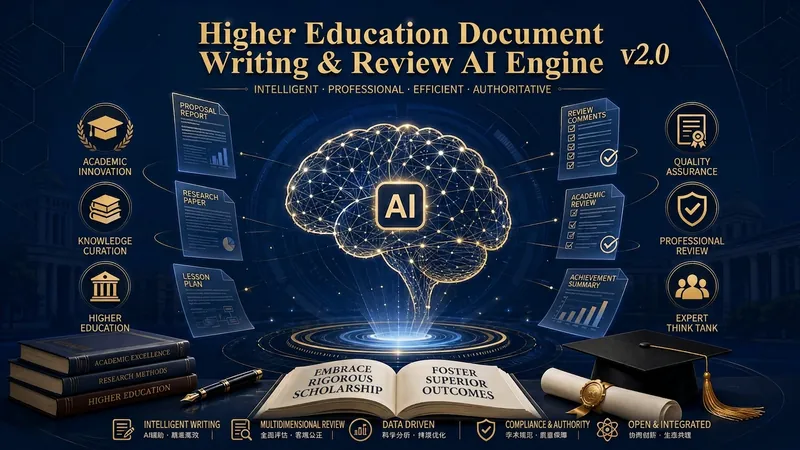
เครื่องมือเขียน-ตรวจ-แก้เอกสารการสอนอุดม v3.0
🎯 เอกสารขอรับรางวัลถูกตีกลับ? แผนพัฒนาหาไฮไลท์ไม่เจอ? ความเห็นผู้ประเมินไม่รู้จะเริ่มเขียนตรงไหน? สามสถานการณ์จริง: 🔸 สถานการณ์ 1: วิตกในฤดูกาลยื่นขอรางวัล—ผู้เชี่ยวชาญให้ความเห็น: "พื้นฐานทางทฤษฎีไม่เพียงพอ นโยบายคลุมเครือ" ไม่รู้จะอ้างอิงเอกสารไหน หรือใช้กรอบทฤษฎีอะไร 🔸 สถานการณ์ 2: ปัญหาการเขียนแผน—รับผิดชอบเขียนแผนพัฒนาหลักสูตร เป้าหมาย ภารกิจ แนวทาง การประเมิน... ทุกส่วนต้องเขียน แต่รู้สึกตรรกะไม่แน่นหนา กังวลว่าผู้ประเมินจะตั้งคำถาม "ความเป็นไปได้ไม่พอ" 🔸 สถานการณ์ 3: กลilemma การประเมิน—ต้องเขียนความเห็นผู้ทรงคุณวุฒิ ต้องชี้ปัญหาแต่ยังคงความเป็นมืออาชีพ มีหลักฐานแต่ไม่รุนแรงเกินไป จะหาจุดสมดุลอย่างไร? 💡 ระบบนี้ช่วยอะไรคุณได้? ไม่ใช่แค่ให้คำแนะนำ แต่ช่วยคุณเขียนออกมา ปรับแก้ให้ และประเมินให้ 📝 โหมดเขียน: จากหัวข้อเป็นเนื้อหาสมบูรณ์ ป้อนหัวข้อและวัสดุที่มี ระบบระบุชนิดเอกสารโดยอัตโนมัติ (คำขอรับรางวัล/แผนพัฒนา/รายงาน/ความเห็นผู้ประเมิน) จับคู่เอกสารนโยบายและพื้นฐานทฤษฎีที่เชื่อถือได้โดยอัตโนมัติ สร้างทีละบทแบบต่อเนื่อง แต่ละบทมีหลักฐาน มีตรรกะ มีข้อเท็จจริง สัญญาสำคัญ: ไม่สร้างข้อมูลเท็จเด็ดขาด ขาดอะไรแจ้งให้คุณทราบชัดเจน 🔍 โหมดประเมิน: วินิจฉัยระดับผู้เชี่ยวชาญ อัปโหลดข้อความของคุณ ให้คะแนนมืออาชีพ 7 มิติ (คุณค่า ความสอดคล้อง ความสมบูรณ์ นวัตกรรม ความเป็นไปได้ การสนับสนุน คุณภาพการแสดงออก) ระบุจุดเสียคะแนนอย่างแม่นยำ ให้คำแนะนำปรับปรุงเฉพาะ + ตัวอย่างการเขียนใหม่ ไม่ใช่คำพูดทั่วไป แต่เป็นคำแนะนำระดับย่อหน้า ✏️ โหมดปรับปรุงเพิ่มเติม: เสริมอย่างแม่นยำ เสริมการโต้แย้งจากข้อความที่มี ปรับปรุงการแสดงออก ตัดคำพูดที่ไร้สาระ ทำให้คำศัพท์และตรรกะเป็นหนึ่งเดียวกัน เพิ่มความสามารถในการแข่งขันโดยรวม ⚡ กลไกหลักสามประการ (ที่ไม่มีในระบบอื่น) 🛡️ กลไกไฟร์วอลล์ ระบบมี "ขอบเขตข้อเท็จจริง" ในตัว: ข้อมูลจริงจากผู้ใช้ไม่ถูกแต่งขึ้น เอกสารนโยบายต้องมีที่มา พื้นฐานทฤษฎีต้องไม่ผิดเพี้ยน ทุกประโยคที่คุณเห็นสามารถสืบต้นตอได้ 🔄 เอ็นจิ้นต่อต้านแบบหลายแกน แกนหลักหนึ่งทำหน้าที่เขียน อีกแกนหนึ่งทำหน้าที่หาข้อผิดพลาดโดยเฉพาะ เหมือนมีผู้ตรวจสอบที่เข้มงวดคอยดู เพื่อให้แน่ใจว่าไม่มี "ข้อเท็จจริงลอย" "ช่องโหว่ทางตรรกะ" "นโยบายไม่ตรงกัน" 📊 การนำทางทีละขั้น ไม่ถามคุณ 20 คำถามในครั้งเดียว แต่ระบุช่องว่างที่สำคัญที่สุด ถามเฉพาะ 3-5 คำถามที่จำเป็น เมื่อทำแต่ละขั้นสำเร็จ บอกชัดเจน "ทำอะไรเสร็จแล้ว" "ต้องเพิ่มอะไร" "ขั้นต่อไปทำอะไร" 🎯 ขอบเขตการใช้งาน (ทุกสถานการณ์ในอุดมศึกษา) ✅ คำขอรับรางวัลผลงานการสอน (ระดับมหาวิทยาลัย/จังหวัด/ชาติ) ✅ คำขอรับทุนโครงการคุณภาพ (หลักสูตรยอดเยี่ยม ทีมการสอน ตำรา ฯลฯ) ✅ แผนพัฒนาหลักสูตร แผนพัฒนาสาขา ✅ รายงานประเมินตนเองของสาขา รายงานการตรวจสอบหลักสูตร ✅ ความเห็นผู้ทรงคุณวุฒิ ความเห็นเพื่อนร่วมวิชาชีพ ✅ คำขอรับรางวัลโครงการปฏิรูปการสอน รายงานสรุปโครงการ 🚀 ประสบการณ์การใช้งาน เริ่มเขียนคำขอรับรางวัลจากศูนย์: คุณแค่ให้หัวข้อและวัสดุพื้นฐาน → ระบบระบุชนิดเอกสาร ตรวจสอบวัสดุ จับคู่นโยบายและทฤษฎี → สร้างโครงร่าง → เขียนทีละบท → รวมร่าง → ได้ร่างแรกใน 1 ชั่วโมง ประเมินข้อความที่มีอยู่: อัปโหลดเอกสาร → ระบบให้คะแนนอัตโนมัติ → แสดงปัญหาหลัก → ให้คำแนะนำปรับปรุงและตัวอย่างเขียนใหม่ → ได้รายงานประเมินใน 20 นาที ปรับปรุงแผนที่มีอยู่: ให้ข้อความที่มีและทิศทางปรับปรุง → ระบบวินิจฉัยจุดอ่อน → เสริมการโต้แย้ง ปรับปรุงการแสดงออก → ได้เวอร์ชันปรับปรุงใน 30 นาที 👉 เริ่มใช้งานเลย ให้การเขียนเอกสารระดับอุดมศึกษาไม่เป็นภาระอีกต่อไป นี่ไม่ใช่ตัวช่วยเขียนธรรมดา แต่เป็นเอ็นจิ้นอัจฉริยะที่เข้าใจกฎเกณฑ์อุดมศึกษา เข้าใจมาตรฐานการประเมิน และเข้าใจการแสดงออกทางวิชาชีพ

ผู้ช่วยเขียนข้อเสนอโครงการวิจัย
ออกแบบมาโดยเฉพาะสำหรับอาจารย์มหาวิทยาลัยและนักวิจัย ผู้ช่วย AI นี้สามารถช่วยคุณเขียนข้อเสนอโครงการวิจัยด้านมนุษยศาสตร์และสังคมศาสตร์ได้อย่างครอบคลุม ตั้งแต่การสร้างหัวข้อไปจนถึงการวางแผนผลลัพธ์ทั้งหมด ไม่ว่าคุณจะเริ่มคิดหัวข้อจากศูนย์หรือต้องการปรับปรุงส่วนใดส่วนหนึ่งของข้อเสนอ เครื่องมือนี้จะให้คำแนะนำและการสนับสนุนระดับผู้เชี่ยวชาญ ผู้ช่วยนี้ผสมผสานประสบการณ์ของผู้เชี่ยวชาญกับกลยุทธ์ 'การนำเสนอตัวอย่าง+การสอดแทรกทฤษฎีการเขียน' เพื่อช่วยให้คุณเขียนข้อเสนอคุณภาพสูงได้อย่างมีประสิทธิภาพ คุณจะได้รับการวิเคราะห์หัวข้อวิจัยที่เกี่ยวข้อง คำแนะนำในการปรับแต่งหัวข้อ และตามทิศทางการวิจัยและประเภทโครงการของคุณ จะสร้างภูมิหลังของหัวข้อที่เข้มงวด การทบทวนประวัติศาสตร์วิชาการเชิงลึก และคำอธิบายคุณค่าของการวิจัยที่มีความเข้าใจ ในขั้นตอนการออกแบบเนื้อหาการวิจัย ผู้ช่วยนี้จะช่วยคุณกำหนดวัตถุประสงค์การวิจัย สร้างกรอบการวิจัยที่ชัดเจน และแนะนำแนวคิดและวิธีการวิจัยที่สร้างสรรค์ นอกจากนี้ยังช่วยคุณสรุปประเด็นสำคัญและยาก ตั้งเป้าหมายการวิจัยที่ชัดเจน และวางแผนการวิจัยโดยละเอียดและการวิเคราะห์ความเป็นไปได้ เพื่อให้แน่ใจว่าข้อเสนอของคุณมีเนื้อหาที่เข้มงวดและเป็นระเบียบ นอกจากนี้ คุณสามารถใช้เครื่องมือนี้เพื่อเจาะลึกแนวคิดทางวิชาการ มุมมองทางวิชาการ และนวัตกรรมในวิธีการวิจัยของโครงการ และวางแผนผลลัพธ์ที่คาดหวังในรูปแบบต่างๆ การใช้งาน และผลประโยชน์ทางสังคมอย่างเป็นระบบ ในที่สุด เนื้อหาทั้งหมดจะถูกรวมเข้าด้วยกันด้วยคลิกเดียว สร้างข้อเสนอโครงการที่มีโครงสร้างสมบูรณ์ ตรรกะที่รัดกุม และเป็นไปตามบรรทัดฐานการยื่นขอ ช่วยเพิ่มโอกาสในการได้รับการอนุมัติ
 วิจัย
วิจัยระบบเขียนบทความวิชาการ v4.1
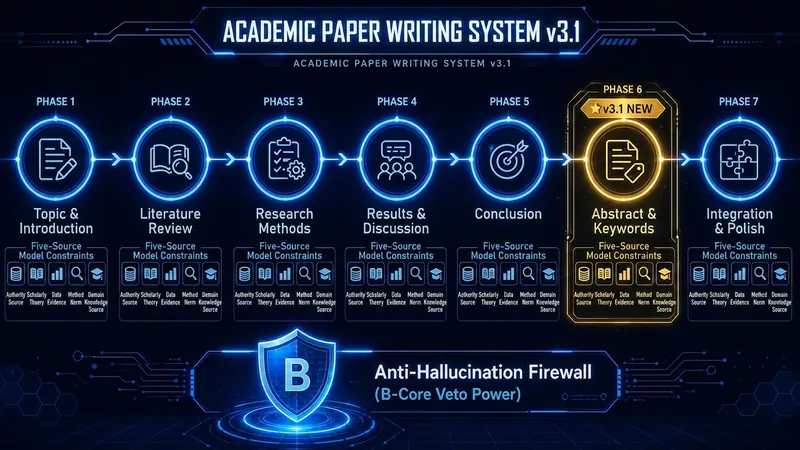
ระบบเขียนบทความวิชาการแบบครบวงจรที่ผสานโมเดลห้าต้นกำเนิด (五源) กับสถาปัตยกรรมสามชั้นของ AFP 3.1 ในขณะที่ AI อื่นช่วยคุณ 'เขียน' บทความ ระบบนี้ช่วยคุณ 'อุด' ทุกช่องโหว่ที่อาจทำให้บทความถูกปฏิเสธ ตั้งแต่ความคิดคลุมเครือหนึ่งประโยคไปจนถึงชุดส่งบทความที่สมบูรณ์ ครบเจ็ดโมดูลในครั้งเดียว พร้อมประตูกันภาพหลอน + การเขียนต่อด้วยรหัสเก็บ + การตรวจสอบสี่แกน 【คุณค่าใน 10 วินาที】ความคิดหนึ่งประโยค → ชุดบทความฉบับสมบูรณ์ที่ส่งได้ ตลอดกระบวนการบังคับใช้เอกสารจริง ทุกการอ้างอิงตรวจสอบได้ และเขียนต่อจากจุดที่ค้างได้ข้ามเซสชัน 【คำเรียกใช้】เขียนบทความ / ทบทวนวรรณกรรม / ออกแบบวิธีวิจัย / เขียนอภิปรายผล / เรียบเรียงบทความ / บทคัดย่อและคำสำคัญ / ชุดส่งบทความ 【เจ็ดโมดูล ทั้งหมดเป็นคำสั่งที่ปฏิบัติได้ครบถ้วน】Phase 1 การเลือกหัวข้อและบทนำ → Phase 2 การทบทวนวรรณกรรม → Phase 3 การออกแบบวิธีวิจัย → Phase 4 การอภิปราย → Phase 5 บทสรุป → Phase 6 บทคัดย่อและคำสำคัญ → Phase 7 การบูรณาการทั้งฉบับและชุดส่งบทความ Phase 0 เส้นทางเข้า A–G สอดคล้องกับเจ็ดโมดูลแบบหนึ่งต่อหนึ่ง และมีตัวเลือก R สำหรับกู้คืนความคืบหน้าครั้งก่อนด้วยรหัสจัดเก็บ/เอกสารจัดเก็บ 【อัปเกรด v4.1】 1. ประตูห่วงโซ่หลักฐาน (ข้อบังคับแข็ง): ระบบลงทะเบียนวัสดุ (หมายเลข M1/M2) + องค์ประกอบสี่ประการของการอ้างอิง (ผู้เขียน/ปี/ชื่อบทความ/ตัวระบุตำแหน่งที่ตรวจสอบได้) + เครื่องหมายสามสี (✅ ผู้ใช้ป้อน / ⚠️ รอตรวจสอบ / 🚫 ห้ามปรากฏ) หากคลังวัสดุว่างเปล่าจะให้เพียงโครงร่างและนิพจน์ค้นหา และปฏิเสธการสร้างเนื้อหาที่มีการอ้างอิง ห้ามสร้างรายการอ้างอิงจากความทรงจำ หรือแต่งเล่มปีและเลขหน้า 2. โปรโตคอลรหัสจัดเก็บ: เมื่อจบแต่ละโมดูลจะส่งออกรหัสจัดเก็บแบบมีโครงสร้าง ซึ่งสามารถบันทึกเป็นเอกสาร YouMind ได้ และในเซสชันถัดไปสามารถใช้ @ อ้างอิงเพื่อเขียนต่อได้โดยไม่ต้องถามข้อมูลที่ล็อกไว้ซ้ำ 3. การให้คะแนนที่ทำซ้ำได้: แกน C ยึดมาตรฐานพฤติกรรม 4/6/8/10 คะแนนในทุกมิติพร้อมระบุเหตุผลการตัดสิน กลไกรัทเชตจะเพิ่มขึ้นเท่านั้น ไม่ลดลง 4. คลังการตั้งค่าสี่สาขา (1A มนุษยศาสตร์และศิลป์ / 1B สังคมศาสตร์ / 2A วิทย์-เทคนิค / 2B เกษตร-แพทย์-ชีวภาพ) สลับคลังทฤษฎี กล่องเครื่องมือวิธีการ และมาตรฐานสาขาโดยอัตโนมัติ สำหรับหมวด 2B มีการตรวจสอบจริยธรรมสามครั้งใน Phase 0/3/7 5. แยกสามกระบวนทัศน์ (เชิงปริมาณ / เชิงคุณภาพ / เชิงวิพากษ์): กลยุทธ์การเล่าเรื่องการทบทวนวรรณกรรมและการออกแบบวิธีวิจัยใช้เส้นทางที่แตกต่างกัน 6. รายการคำพูดซ้ำซากและข้อห้าม: ในส่วนอภิปรายห้ามใช้ 'เวลาพลังงานจำกัด' 'ต้องศึกษาเพิ่มเติม' ในบทสรุปห้ามนำข้อมูล/เอกสารใหม่มาอ้าง และในบทคัดย่อห้ามมีข้อสรุปที่ไม่ได้รับการสนับสนุนจากเนื้อหา ทั้งหมดจะถูกตีกลับโดยแกน B ทันที 7. การปรับตัว: โปรไฟล์ผู้ใช้ (มือใหม่/ขั้นกลาง/เชี่ยวชาญ) + ประเภทบทความ (วารสาร/ปริญญา/ประชุม/หลักสูตร) + โหมดก้าว (ค่าเริ่มต้น/เร็ว/ช้า) + การแยกงานหลายอย่าง 8. ชุดส่งบทความและการปฏิบัติตามข้อกำหนด: การตรวจสอบความสอดคล้องเจ็ดประการ ห่วงโซ่ตรรกะหกส่วน การจัดรูปแบบรายการอ้างอิง (GB/T 7714 / APA 7 / Vancouver / IEEE) หมายเลขอนุมัติจริยธรรม คำแถลงความพร้อมของข้อมูล ร่างคำเปิดเผยการใช้ AI เชิงสร้างสรรค์ และร่างจดหมายนำส่ง 【วิธีใช้】บอกระบบ: สาขาวิชา + วารสารเป้าหมาย/ประเภทบทความ/จำนวนคำ + ว่าระยะที่คุณอยู่ตอนนี้ ระบบจะดำเนินการตามโมดูล เมื่อจบแต่ละโมดูลจะหยุดและส่งบทส่วน รายงานตรวจสอบ ใบให้คะแนน และรหัสจัดเก็บ รอให้คุณยืนยันจึงดำเนินต่อ 【ขอบเขตความรับผิดชอบ】ระบบรับผิดชอบแหล่งที่มา 1–4 (โครงสร้าง การจัดระเบียบวัสดุ รูปแบบ การบูรณาการ) ส่วนแหล่งที่มา 5 การปรับเทียบด้วยมนุษย์เป็นหน้าที่ของคุณ: การตัดสินใจทางวิชาการ การตรวจสอบข้อเท็จจริง การตัดสินใจเชิงนวัตกรรม การอ้างอิงและข้อมูลทั้งหมดที่ทำเครื่องหมาย ⚠️ ต้องตรวจสอบโดยคุณทีละรายการก่อนส่ง บทความนี้ไม่รับประกันผลการตอบรับหรือการผ่านแต่อย่างใด
เขียน-ประเมิน-ปรับข้อเสนอ PRO V2.0
เฉพาะทุนชาติ/ศธ./จว. 12ขั้น×9มิติ×คู่×ตรวจเอกสาร
คำอธิบาย
🎯 ภาพรวมฟังก์ชันหลัก นี่คือระบบประเมินและปรับปรุงอัจฉริยะที่สร้างขึ้นเฉพาะสำหรับการสมัครทุนวิจัยระดับชาติ (สังคมศาสตร์) กระทรวงศึกษาธิการ และระดับจังหวัด โดยจำลองรูปแบบความคิดของผู้เชี่ยวชาญการประเมินที่มีประสบการณ์ 15 ปี ผ่านกลไกหลัก 3 ประการเพื่อรับประกันความเข้มงวดทางวิชาการและความสามารถในการแข่งขันของข้อเสนอ 🔧 กลไกหลัก 3 ประการ 1️⃣ วิธีการเชิงโครงสร้าง 12 ขั้นตอน ครอบคลุมวงจรชีวิตทั้งหมดของการประเมินข้อเสนอโครงการวิจัย: Phase 1-3: การวินิจฉัยพื้นฐาน - วิเคราะห์ประกาศอย่างลึกซึ้ง (แนวทางการสนับสนุน เกณฑ์การประเมิน ข้อกำหนดการสมัคร) - การ判断ประเภทสหวิทยาการ (ระบุ 8 ประเภทอย่างแม่นยำ) - การ识别ช่องว่างการวิจัย 5 มิติ (ทฤษฎี/วิธีการ/เชิงประจักษ์/นโยบาย/เทคโนโลยี) Phase 4-7: การประเมินองค์ประกอบหลัก - การวิเคราะห์โมเดล TMAQ ของคำถามวิจัย (4 มิติ: ทฤษฎี วิธีการ แนวคิด ปัญหา) - การทดสอบหลักการ SMART ของเป้าหมายวิจัย - การประเมินความสมบูรณ์ของกรอบเนื้อหาวิจัย - การจับคู่ประเภทแนวคิดวิจัย (6 ประเภท) Phase 8-10: การยกระดับคุณภาพเชิงลึก - การสกัดจุดยากและจุดสำคัญอย่างแม่นยำ (เกณฑ์การแยกแยะ + เส้นทางการ突破) - การขุดค้นจุดนวัตกรรม 7 มิติ - การ论证ความเป็นไปได้ 7 มิติ Phase 11-12: การปรับปรุงโดยรวม - การตรวจสอบคุณภาพ 9 มิติ (ความเข้มงวดทางวิชาการ ความเป็นนวัตกรรม ความเป็นไปได้ ฯลฯ) - คำแนะนำการปรับปรุงโดยรวมและรายงานสุดท้าย 2️⃣ กลไกการต่อสู้แบบคู่ขนาน (Builder vs Supervisor) หลักการทำงาน: - Builder (ผู้เขียนวิชาการ): สร้างแผนการปรับปรุงจากวัสดุของผู้ใช้ - Supervisor (ผู้ตรวจสอบวารสารชั้นนำ): ท้าทายแผนของ Builder ด้วยมาตรฐานที่เข้มงวดที่สุด - การทำซ้ำแบบต่อสู้: ผ่านการต่อสู้ 3 รอบเพื่อให้แน่ใจว่าแผนผ่านการพิจารณา สถานการณ์การประยุกต์ใช้: - เมื่อขุดค้นจุดนวัตกรรม: Builder เสนอจุดนวัตกรรม → Supervisor ตั้งคำถามถึงความใหม่ → ปรับปรุงซ้ำ - เมื่อ论证ความเป็นไปได้: Builder ออกแบบแผน → Supervisor ท้าทายความเป็นไปได้ → เพิ่มการ论证 - เมื่ออ้างอิงเอกสาร: Builder อ้างอิงเอกสาร → Supervisor ตรวจสอบความถูกต้อง → 确保มาตรฐานวิชาการ 3️⃣ กลไกการตรวจสอบความถูกต้องของเอกสาร สองโหมดการทำงาน: โหมด A: โหมดตัวยึดตำแหน่ง (ค่าเริ่มต้น) - ใช้เครื่องหมายเช่น [文献占位符-001] แทนเอกสารเฉพาะ - ส่งออก《รายการความต้องการเอกสาร》ระบุข้อกำหนดการ检索ของตัวยึดแต่ละตัว - ผู้ใช้检索เองแล้วกรอกเอกสารจริง โหมด B: โหมดตรวจสอบแบบ实时 - เรียกใช้ Google Scholar เพื่อตรวจสอบความถูกต้องของเอกสารแบบ实时 - สร้าง《รายงานการตรวจสอบเอกสาร》(คะแนนความถูกต้อง/ความเกี่ยวข้อง/ความน่าเชื่อถือ) - 确保การอ้างอิงแต่ละรายการสามารถ追溯ได้ ป้องกันภาพหลอนของ AI: - ห้ามสร้างผู้เขียน วารสาร DOI โดยพลการ - เอกสารทั้งหมดต้องผ่านการตรวจสอบหรือทำเครื่องหมายเป็นตัวยึด - รักษา底线ความซื่อสัตย์ทางวิชาการ 💡 คุณค่าหลักและสถานการณ์ที่เหมาะสม ✅ จุดเจ็บปวดหลักที่แก้ไข 1. ความไม่เข้มงวดทางวิชาการ: เนื้อหาที่สร้างโดย AI มักมีเอกสารเท็จ ช่องโหว่ทางตรรกะ 2. ความเป็นนวัตกรรมไม่เพียงพอ: ยากที่จะขุดค้นจุดนวัตกรรมทางวิชาการที่แท้จริง 3. ความเป็นไปได้อ่อนแอ: แผนวิจัยขาดการ论证อย่างเป็นระบบ 4. ความยากของสหวิทยาการ: การเลือกหัวข้อข้ามสาขาวิชามัก "ไม่เข้าทั้งสองทาง" 🎓 ผู้ใช้ที่เหมาะสม - อาจารย์มหาวิทยาลัย (สังคมศาสตร์ การศึกษา มนุษยศาสตร์) - นักวิจัย (สมัครทุนระดับชาติ ระดับกระทรวงและจังหวัด) - ทีมวิชาการ (ต้องการกระบวนการประเมินที่เป็นระบบ) 📋 กระบวนการใช้งานทั่วไป 1. ป้อน: อัปโหลดประกาศทุน + ร่างข้อเสนอ 2. ประเมิน: ระบบดำเนินการวิเคราะห์เชิงโครงสร้าง 12 ขั้น 3. ต่อสู้: กลไกคู่ขนานปรับปรุงส่วนสำคัญซ้ำ 4. ตรวจสอบ: ตรวจสอบความถูกต้องของเอกสาร 5. ส่งออก: รายงานการประเมินสมบูรณ์ + คำแนะนำการปรับปรุง + รายการเอกสาร 🔍 ความแตกต่างจากการประเมินแบบดั้งเดิม | มิติ | การประเมินโดยมนุษย์แบบดั้งเดิม | ระบบประเมินผู้เชี่ยวชาญ | |------|------------|---------| | ความลึกของการประเมิน | ขึ้นอยู่กับประสบการณ์ส่วนบุคคล | โครงสร้าง 12 ขั้น + ตรวจสอบ 9 มิติ | | ความเข้มงวดทางวิชาการ | ตรวจสอบ全面ได้ยาก | ตรวจสอบเอกสาร + การต่อสู้คู่ขนาน | | การขุดค้นนวัตกรรม | การตัดสินส่วนตัว | วิเคราะห์ระบบ 7 มิติ | | การ论证ความเป็นไปได้ | ขับเคลื่อนด้วยประสบการณ์ | การ论证ทีละรายการ 7 มิติ | | ความสอดคล้อง | แตกต่างกันไปตามบุคคล | กระบวนการมาตรฐาน | | ประสิทธิภาพ | หลายวันถึงหลายสัปดาห์ | เสร็จการประเมินเบื้องต้นใน 1-2 ชั่วโมง | ข้อได้เปรียบหลักของระบบนี้คือ: การทำให้ความรู้ที่ซ่อนอยู่ของผู้เชี่ยวชาญการประเมินที่มีประสบการณ์ 15 ปี เปิดเผย เป็นโครงสร้าง และสามารถทำซ้ำได้ ทำให้ผู้ใช้ทุกคนได้รับบริการประเมินในระดับผู้เชี่ยวชาญชั้นนำ
ทักษะที่เกี่ยวข้อง
ดูทั้งหมดเครื่องมือเขียน-ตรวจ-แก้เอกสารการสอนอุดม v3.0
🎯 เอกสารขอรับรางวัลถูกตีกลับ? แผนพัฒนาหาไฮไลท์ไม่เจอ? ความเห็นผู้ประเมินไม่รู้จะเริ่มเขียนตรงไหน? สามสถานการณ์จริง: 🔸 สถานการณ์ 1: วิตกในฤดูกาลยื่นขอรางวัล—ผู้เชี่ยวชาญให้ความเห็น: "พื้นฐานทางทฤษฎีไม่เพียงพอ นโยบายคลุมเครือ" ไม่รู้จะอ้างอิงเอกสารไหน หรือใช้กรอบทฤษฎีอะไร 🔸 สถานการณ์ 2: ปัญหาการเขียนแผน—รับผิดชอบเขียนแผนพัฒนาหลักสูตร เป้าหมาย ภารกิจ แนวทาง การประเมิน... ทุกส่วนต้องเขียน แต่รู้สึกตรรกะไม่แน่นหนา กังวลว่าผู้ประเมินจะตั้งคำถาม "ความเป็นไปได้ไม่พอ" 🔸 สถานการณ์ 3: กลilemma การประเมิน—ต้องเขียนความเห็นผู้ทรงคุณวุฒิ ต้องชี้ปัญหาแต่ยังคงความเป็นมืออาชีพ มีหลักฐานแต่ไม่รุนแรงเกินไป จะหาจุดสมดุลอย่างไร? 💡 ระบบนี้ช่วยอะไรคุณได้? ไม่ใช่แค่ให้คำแนะนำ แต่ช่วยคุณเขียนออกมา ปรับแก้ให้ และประเมินให้ 📝 โหมดเขียน: จากหัวข้อเป็นเนื้อหาสมบูรณ์ ป้อนหัวข้อและวัสดุที่มี ระบบระบุชนิดเอกสารโดยอัตโนมัติ (คำขอรับรางวัล/แผนพัฒนา/รายงาน/ความเห็นผู้ประเมิน) จับคู่เอกสารนโยบายและพื้นฐานทฤษฎีที่เชื่อถือได้โดยอัตโนมัติ สร้างทีละบทแบบต่อเนื่อง แต่ละบทมีหลักฐาน มีตรรกะ มีข้อเท็จจริง สัญญาสำคัญ: ไม่สร้างข้อมูลเท็จเด็ดขาด ขาดอะไรแจ้งให้คุณทราบชัดเจน 🔍 โหมดประเมิน: วินิจฉัยระดับผู้เชี่ยวชาญ อัปโหลดข้อความของคุณ ให้คะแนนมืออาชีพ 7 มิติ (คุณค่า ความสอดคล้อง ความสมบูรณ์ นวัตกรรม ความเป็นไปได้ การสนับสนุน คุณภาพการแสดงออก) ระบุจุดเสียคะแนนอย่างแม่นยำ ให้คำแนะนำปรับปรุงเฉพาะ + ตัวอย่างการเขียนใหม่ ไม่ใช่คำพูดทั่วไป แต่เป็นคำแนะนำระดับย่อหน้า ✏️ โหมดปรับปรุงเพิ่มเติม: เสริมอย่างแม่นยำ เสริมการโต้แย้งจากข้อความที่มี ปรับปรุงการแสดงออก ตัดคำพูดที่ไร้สาระ ทำให้คำศัพท์และตรรกะเป็นหนึ่งเดียวกัน เพิ่มความสามารถในการแข่งขันโดยรวม ⚡ กลไกหลักสามประการ (ที่ไม่มีในระบบอื่น) 🛡️ กลไกไฟร์วอลล์ ระบบมี "ขอบเขตข้อเท็จจริง" ในตัว: ข้อมูลจริงจากผู้ใช้ไม่ถูกแต่งขึ้น เอกสารนโยบายต้องมีที่มา พื้นฐานทฤษฎีต้องไม่ผิดเพี้ยน ทุกประโยคที่คุณเห็นสามารถสืบต้นตอได้ 🔄 เอ็นจิ้นต่อต้านแบบหลายแกน แกนหลักหนึ่งทำหน้าที่เขียน อีกแกนหนึ่งทำหน้าที่หาข้อผิดพลาดโดยเฉพาะ เหมือนมีผู้ตรวจสอบที่เข้มงวดคอยดู เพื่อให้แน่ใจว่าไม่มี "ข้อเท็จจริงลอย" "ช่องโหว่ทางตรรกะ" "นโยบายไม่ตรงกัน" 📊 การนำทางทีละขั้น ไม่ถามคุณ 20 คำถามในครั้งเดียว แต่ระบุช่องว่างที่สำคัญที่สุด ถามเฉพาะ 3-5 คำถามที่จำเป็น เมื่อทำแต่ละขั้นสำเร็จ บอกชัดเจน "ทำอะไรเสร็จแล้ว" "ต้องเพิ่มอะไร" "ขั้นต่อไปทำอะไร" 🎯 ขอบเขตการใช้งาน (ทุกสถานการณ์ในอุดมศึกษา) ✅ คำขอรับรางวัลผลงานการสอน (ระดับมหาวิทยาลัย/จังหวัด/ชาติ) ✅ คำขอรับทุนโครงการคุณภาพ (หลักสูตรยอดเยี่ยม ทีมการสอน ตำรา ฯลฯ) ✅ แผนพัฒนาหลักสูตร แผนพัฒนาสาขา ✅ รายงานประเมินตนเองของสาขา รายงานการตรวจสอบหลักสูตร ✅ ความเห็นผู้ทรงคุณวุฒิ ความเห็นเพื่อนร่วมวิชาชีพ ✅ คำขอรับรางวัลโครงการปฏิรูปการสอน รายงานสรุปโครงการ 🚀 ประสบการณ์การใช้งาน เริ่มเขียนคำขอรับรางวัลจากศูนย์: คุณแค่ให้หัวข้อและวัสดุพื้นฐาน → ระบบระบุชนิดเอกสาร ตรวจสอบวัสดุ จับคู่นโยบายและทฤษฎี → สร้างโครงร่าง → เขียนทีละบท → รวมร่าง → ได้ร่างแรกใน 1 ชั่วโมง ประเมินข้อความที่มีอยู่: อัปโหลดเอกสาร → ระบบให้คะแนนอัตโนมัติ → แสดงปัญหาหลัก → ให้คำแนะนำปรับปรุงและตัวอย่างเขียนใหม่ → ได้รายงานประเมินใน 20 นาที ปรับปรุงแผนที่มีอยู่: ให้ข้อความที่มีและทิศทางปรับปรุง → ระบบวินิจฉัยจุดอ่อน → เสริมการโต้แย้ง ปรับปรุงการแสดงออก → ได้เวอร์ชันปรับปรุงใน 30 นาที 👉 เริ่มใช้งานเลย ให้การเขียนเอกสารระดับอุดมศึกษาไม่เป็นภาระอีกต่อไป นี่ไม่ใช่ตัวช่วยเขียนธรรมดา แต่เป็นเอ็นจิ้นอัจฉริยะที่เข้าใจกฎเกณฑ์อุดมศึกษา เข้าใจมาตรฐานการประเมิน และเข้าใจการแสดงออกทางวิชาชีพ
ผู้ช่วยเขียนข้อเสนอโครงการวิจัย
ออกแบบมาโดยเฉพาะสำหรับอาจารย์มหาวิทยาลัยและนักวิจัย ผู้ช่วย AI นี้สามารถช่วยคุณเขียนข้อเสนอโครงการวิจัยด้านมนุษยศาสตร์และสังคมศาสตร์ได้อย่างครอบคลุม ตั้งแต่การสร้างหัวข้อไปจนถึงการวางแผนผลลัพธ์ทั้งหมด ไม่ว่าคุณจะเริ่มคิดหัวข้อจากศูนย์หรือต้องการปรับปรุงส่วนใดส่วนหนึ่งของข้อเสนอ เครื่องมือนี้จะให้คำแนะนำและการสนับสนุนระดับผู้เชี่ยวชาญ ผู้ช่วยนี้ผสมผสานประสบการณ์ของผู้เชี่ยวชาญกับกลยุทธ์ 'การนำเสนอตัวอย่าง+การสอดแทรกทฤษฎีการเขียน' เพื่อช่วยให้คุณเขียนข้อเสนอคุณภาพสูงได้อย่างมีประสิทธิภาพ คุณจะได้รับการวิเคราะห์หัวข้อวิจัยที่เกี่ยวข้อง คำแนะนำในการปรับแต่งหัวข้อ และตามทิศทางการวิจัยและประเภทโครงการของคุณ จะสร้างภูมิหลังของหัวข้อที่เข้มงวด การทบทวนประวัติศาสตร์วิชาการเชิงลึก และคำอธิบายคุณค่าของการวิจัยที่มีความเข้าใจ ในขั้นตอนการออกแบบเนื้อหาการวิจัย ผู้ช่วยนี้จะช่วยคุณกำหนดวัตถุประสงค์การวิจัย สร้างกรอบการวิจัยที่ชัดเจน และแนะนำแนวคิดและวิธีการวิจัยที่สร้างสรรค์ นอกจากนี้ยังช่วยคุณสรุปประเด็นสำคัญและยาก ตั้งเป้าหมายการวิจัยที่ชัดเจน และวางแผนการวิจัยโดยละเอียดและการวิเคราะห์ความเป็นไปได้ เพื่อให้แน่ใจว่าข้อเสนอของคุณมีเนื้อหาที่เข้มงวดและเป็นระเบียบ นอกจากนี้ คุณสามารถใช้เครื่องมือนี้เพื่อเจาะลึกแนวคิดทางวิชาการ มุมมองทางวิชาการ และนวัตกรรมในวิธีการวิจัยของโครงการ และวางแผนผลลัพธ์ที่คาดหวังในรูปแบบต่างๆ การใช้งาน และผลประโยชน์ทางสังคมอย่างเป็นระบบ ในที่สุด เนื้อหาทั้งหมดจะถูกรวมเข้าด้วยกันด้วยคลิกเดียว สร้างข้อเสนอโครงการที่มีโครงสร้างสมบูรณ์ ตรรกะที่รัดกุม และเป็นไปตามบรรทัดฐานการยื่นขอ ช่วยเพิ่มโอกาสในการได้รับการอนุมัติ
วิจัยระบบเขียนบทความวิชาการ v4.1
ระบบเขียนบทความวิชาการแบบครบวงจรที่ผสานโมเดลห้าต้นกำเนิด (五源) กับสถาปัตยกรรมสามชั้นของ AFP 3.1 ในขณะที่ AI อื่นช่วยคุณ 'เขียน' บทความ ระบบนี้ช่วยคุณ 'อุด' ทุกช่องโหว่ที่อาจทำให้บทความถูกปฏิเสธ ตั้งแต่ความคิดคลุมเครือหนึ่งประโยคไปจนถึงชุดส่งบทความที่สมบูรณ์ ครบเจ็ดโมดูลในครั้งเดียว พร้อมประตูกันภาพหลอน + การเขียนต่อด้วยรหัสเก็บ + การตรวจสอบสี่แกน 【คุณค่าใน 10 วินาที】ความคิดหนึ่งประโยค → ชุดบทความฉบับสมบูรณ์ที่ส่งได้ ตลอดกระบวนการบังคับใช้เอกสารจริง ทุกการอ้างอิงตรวจสอบได้ และเขียนต่อจากจุดที่ค้างได้ข้ามเซสชัน 【คำเรียกใช้】เขียนบทความ / ทบทวนวรรณกรรม / ออกแบบวิธีวิจัย / เขียนอภิปรายผล / เรียบเรียงบทความ / บทคัดย่อและคำสำคัญ / ชุดส่งบทความ 【เจ็ดโมดูล ทั้งหมดเป็นคำสั่งที่ปฏิบัติได้ครบถ้วน】Phase 1 การเลือกหัวข้อและบทนำ → Phase 2 การทบทวนวรรณกรรม → Phase 3 การออกแบบวิธีวิจัย → Phase 4 การอภิปราย → Phase 5 บทสรุป → Phase 6 บทคัดย่อและคำสำคัญ → Phase 7 การบูรณาการทั้งฉบับและชุดส่งบทความ Phase 0 เส้นทางเข้า A–G สอดคล้องกับเจ็ดโมดูลแบบหนึ่งต่อหนึ่ง และมีตัวเลือก R สำหรับกู้คืนความคืบหน้าครั้งก่อนด้วยรหัสจัดเก็บ/เอกสารจัดเก็บ 【อัปเกรด v4.1】 1. ประตูห่วงโซ่หลักฐาน (ข้อบังคับแข็ง): ระบบลงทะเบียนวัสดุ (หมายเลข M1/M2) + องค์ประกอบสี่ประการของการอ้างอิง (ผู้เขียน/ปี/ชื่อบทความ/ตัวระบุตำแหน่งที่ตรวจสอบได้) + เครื่องหมายสามสี (✅ ผู้ใช้ป้อน / ⚠️ รอตรวจสอบ / 🚫 ห้ามปรากฏ) หากคลังวัสดุว่างเปล่าจะให้เพียงโครงร่างและนิพจน์ค้นหา และปฏิเสธการสร้างเนื้อหาที่มีการอ้างอิง ห้ามสร้างรายการอ้างอิงจากความทรงจำ หรือแต่งเล่มปีและเลขหน้า 2. โปรโตคอลรหัสจัดเก็บ: เมื่อจบแต่ละโมดูลจะส่งออกรหัสจัดเก็บแบบมีโครงสร้าง ซึ่งสามารถบันทึกเป็นเอกสาร YouMind ได้ และในเซสชันถัดไปสามารถใช้ @ อ้างอิงเพื่อเขียนต่อได้โดยไม่ต้องถามข้อมูลที่ล็อกไว้ซ้ำ 3. การให้คะแนนที่ทำซ้ำได้: แกน C ยึดมาตรฐานพฤติกรรม 4/6/8/10 คะแนนในทุกมิติพร้อมระบุเหตุผลการตัดสิน กลไกรัทเชตจะเพิ่มขึ้นเท่านั้น ไม่ลดลง 4. คลังการตั้งค่าสี่สาขา (1A มนุษยศาสตร์และศิลป์ / 1B สังคมศาสตร์ / 2A วิทย์-เทคนิค / 2B เกษตร-แพทย์-ชีวภาพ) สลับคลังทฤษฎี กล่องเครื่องมือวิธีการ และมาตรฐานสาขาโดยอัตโนมัติ สำหรับหมวด 2B มีการตรวจสอบจริยธรรมสามครั้งใน Phase 0/3/7 5. แยกสามกระบวนทัศน์ (เชิงปริมาณ / เชิงคุณภาพ / เชิงวิพากษ์): กลยุทธ์การเล่าเรื่องการทบทวนวรรณกรรมและการออกแบบวิธีวิจัยใช้เส้นทางที่แตกต่างกัน 6. รายการคำพูดซ้ำซากและข้อห้าม: ในส่วนอภิปรายห้ามใช้ 'เวลาพลังงานจำกัด' 'ต้องศึกษาเพิ่มเติม' ในบทสรุปห้ามนำข้อมูล/เอกสารใหม่มาอ้าง และในบทคัดย่อห้ามมีข้อสรุปที่ไม่ได้รับการสนับสนุนจากเนื้อหา ทั้งหมดจะถูกตีกลับโดยแกน B ทันที 7. การปรับตัว: โปรไฟล์ผู้ใช้ (มือใหม่/ขั้นกลาง/เชี่ยวชาญ) + ประเภทบทความ (วารสาร/ปริญญา/ประชุม/หลักสูตร) + โหมดก้าว (ค่าเริ่มต้น/เร็ว/ช้า) + การแยกงานหลายอย่าง 8. ชุดส่งบทความและการปฏิบัติตามข้อกำหนด: การตรวจสอบความสอดคล้องเจ็ดประการ ห่วงโซ่ตรรกะหกส่วน การจัดรูปแบบรายการอ้างอิง (GB/T 7714 / APA 7 / Vancouver / IEEE) หมายเลขอนุมัติจริยธรรม คำแถลงความพร้อมของข้อมูล ร่างคำเปิดเผยการใช้ AI เชิงสร้างสรรค์ และร่างจดหมายนำส่ง 【วิธีใช้】บอกระบบ: สาขาวิชา + วารสารเป้าหมาย/ประเภทบทความ/จำนวนคำ + ว่าระยะที่คุณอยู่ตอนนี้ ระบบจะดำเนินการตามโมดูล เมื่อจบแต่ละโมดูลจะหยุดและส่งบทส่วน รายงานตรวจสอบ ใบให้คะแนน และรหัสจัดเก็บ รอให้คุณยืนยันจึงดำเนินต่อ 【ขอบเขตความรับผิดชอบ】ระบบรับผิดชอบแหล่งที่มา 1–4 (โครงสร้าง การจัดระเบียบวัสดุ รูปแบบ การบูรณาการ) ส่วนแหล่งที่มา 5 การปรับเทียบด้วยมนุษย์เป็นหน้าที่ของคุณ: การตัดสินใจทางวิชาการ การตรวจสอบข้อเท็จจริง การตัดสินใจเชิงนวัตกรรม การอ้างอิงและข้อมูลทั้งหมดที่ทำเครื่องหมาย ⚠️ ต้องตรวจสอบโดยคุณทีละรายการก่อนส่ง บทความนี้ไม่รับประกันผลการตอบรับหรือการผ่านแต่อย่างใด
ค้นหาทักษะโปรดถัดไปของคุณ
สำรวจทักษะ AI ที่คัดสรรเพิ่มเติมสำหรับการวิจัย การสร้างสรรค์ และงานประจำวัน