Claude Memory Migration Test: Move Your ChatGPT Memory in 60 Seconds

TL; DR Key Takeaways
- Anthropic has launched the Claude Memory Import feature, supporting one-click migration of AI memories from ChatGPT, Gemini, and Copilot in under 60 seconds.
- The migration principle is "copy prompt → paste into old platform → import output to Claude," and it is available to free users.
- The essence of this feature is to reduce the cost of switching AI platforms, breaking the "memory lock-in" effect where the longer you use a service, the harder it is to leave.
- AI memory portability is becoming an industry trend; a user's "digital persona profile" should not be held hostage by a single platform.
- Rather than relying on any single company's memory system, building your own multi-model knowledge management system is the long-term solution.
Introduction
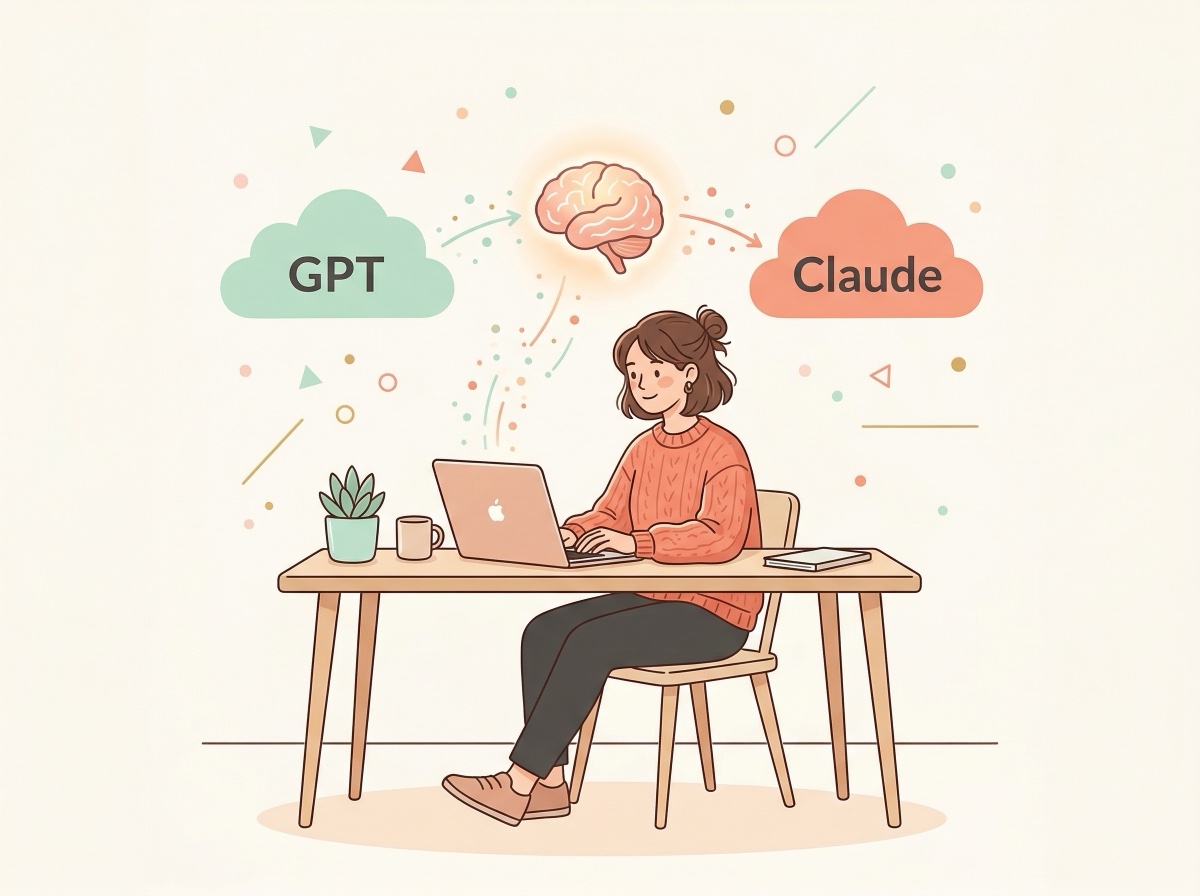
You've spent a year "training" ChatGPT to remember your writing style, project backgrounds, and communication preferences. Now you want to try Claude, only to find you have to start from scratch. Just explaining "who I am, what I do, and what formats I like" could take a dozen conversations. This migration cost has kept countless users from switching, even when they know better options exist.
In March 2026, Anthropic tore down this wall. Claude launched the Memory Import feature, allowing you to move all the memories accumulated in ChatGPT into Claude within 60 seconds. This article will test this migration process, analyze the industry trends behind it, and share a multi-model knowledge management solution that doesn't depend on any single platform.
This article is for users considering switching AI assistants, content creators using multiple AI tools simultaneously, and developers following AI industry trends.
What is Claude Memory Import and How to Use It
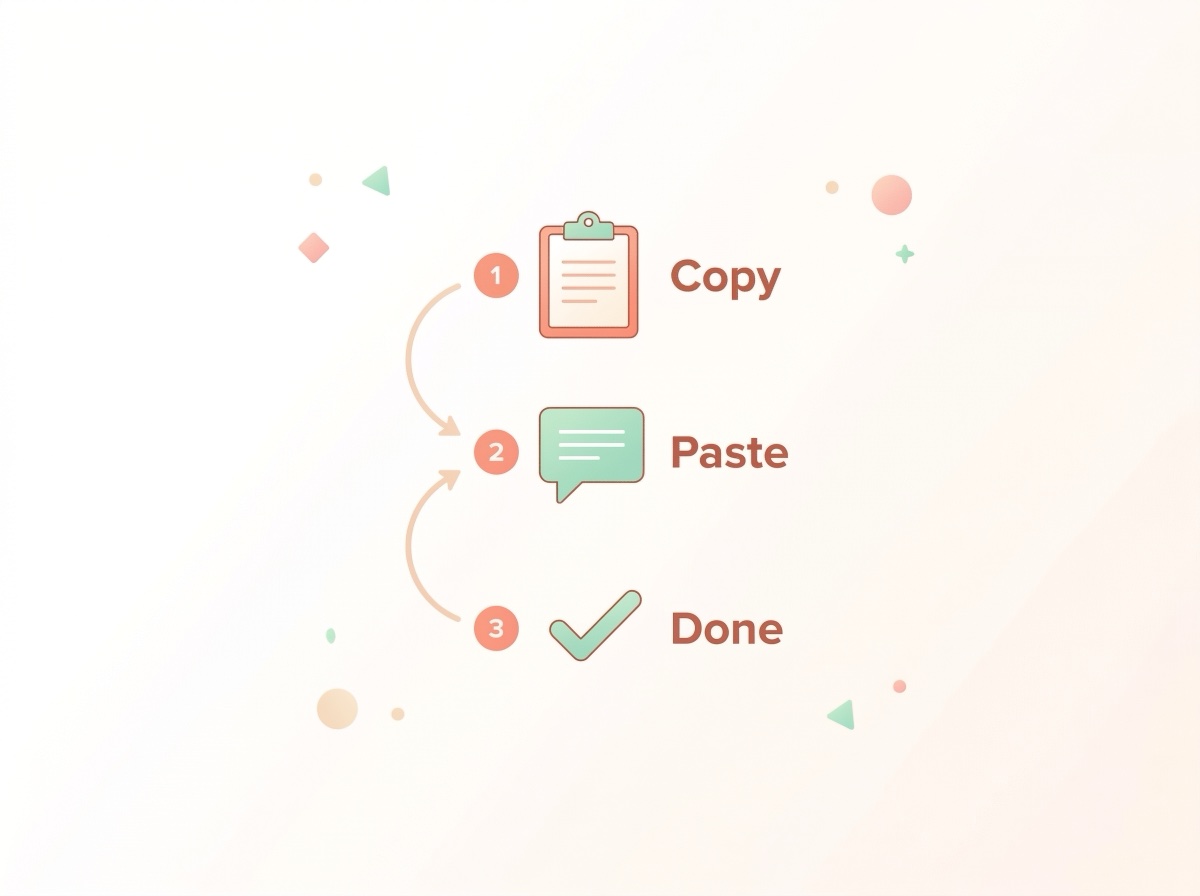
The core logic of Claude Memory Import is very simple: Anthropic has pre-written a prompt that you paste into ChatGPT (or Gemini, Copilot). The old platform packages all the memories it has stored about you into a block of text, which you then paste back into Claude's memory settings page and click "Add to Memory" to complete the import 1.
The process involves three specific steps:
- Copy the Prompt: Open claude.com/import-memory and click the Copy button to copy the import prompt prepared by Anthropic.
- Execute on the Old Platform: Log in to ChatGPT, paste the prompt into the chat box, and send it. ChatGPT will output a structured memory summary containing your identity information, work preferences, project backgrounds, communication style, etc.
- Import to Claude: Copy ChatGPT's output back into Claude's import window and click confirm. The import is almost instantaneous.
For ChatGPT users, there is an alternative path: go directly to ChatGPT's Settings → Personalization → Manage Memories, manually copy the memory entries, and paste them into Claude 2.
Note that Anthropic officially labels this feature as "experimental and under active development." The imported memory is not a 1:1 perfect copy, but rather Claude's re-interpretation and integration of your information. After importing, it is recommended to spend a few minutes checking the memory content and deleting outdated or sensitive entries 3.
Why Anthropic Launched Memory Import Now
The timing of this release is no coincidence. In late February 2026, OpenAI signed a $200 million contract with the U.S. Department of Defense. Almost simultaneously, Anthropic rejected a similar request from the Pentagon, explicitly stating it does not want Claude used for large-scale surveillance or autonomous weapons systems 4.
This contrast sparked the #QuitGPT movement. Statistics show that over 2.5 million users pledged to cancel their ChatGPT subscriptions, and ChatGPT's single-day uninstalls surged by 295% 5. On March 1, 2026, Claude topped the U.S. App Store free apps chart, marking the first time ChatGPT was overtaken by an AI competitor 6. An Anthropic spokesperson revealed that "every day for the past week has set a new record for Claude sign-ups," with free users growing by over 60% since January and paid subscribers more than doubling in 2026 7.
By launching memory migration during this window, Anthropic's intent is clear: when users decide to leave ChatGPT, the biggest friction is the time cost of "re-training." Memory Import directly removes this barrier. As Anthropic wrote on the import page: "Switch to Claude without starting over."
From a broader perspective, this reveals an industry trend: AI memory is becoming a user's "digital asset." The writing preferences, project backgrounds, and workflows you spent months teaching ChatGPT are essentially personal contexts built with your time and effort. When these contexts are locked into a single platform, users fall into a new type of "vendor lock-in." Anthropic's move effectively declares: your AI memory should belong to you.
Real Experience After Migration: What Moves and What Doesn't
According to PCMag's testing and extensive feedback from the Reddit community, memory migration handles the following well 3:
What can be migrated:
- Your professional identity and work background
- Writing style and formatting preferences (e.g., "prefers concise answers," "use Markdown format")
- Frequently used programming languages and tech stacks
- Project names and basic backgrounds
- Communication tone preferences
What cannot be migrated:
- Full conversation history (only memory summaries are moved, not chat logs)
- GPTs and custom workflows you created in ChatGPT
- Generated images, deep research reports, and other media content
- Fine-grained contextual details (e.g., the third iteration plan of a specific project)
Reddit user u/fullstackfreedom shared his experience migrating 3 years of ChatGPT memory: "It's not a perfect 1:1 transfer, but the results are much better than expected." He suggests cleaning up ChatGPT memory entries before importing to remove outdated or redundant content, as "raw exports are often full of third-person AI narratives (e.g., 'User prefers...'), which can confuse Claude" 8.
Another noteworthy detail: Claude's memory system has a different architecture than ChatGPT's. While ChatGPT stores discrete memory entries, Claude uses a continuous learning model within conversations, where memory updates occur in daily synthesis cycles. Imported memories may take up to 24 hours to become fully effective 2.
More Important Than Memory Migration: Building Your Own Multi-Model Knowledge System
Memory migration solves the "moving from A to B" problem. But what if you are using ChatGPT, Claude, and Gemini simultaneously? What if a better model appears in six months? Having to re-migrate memories every time highlights a problem: storing all context within an AI platform's memory system is not the optimal solution.
A more sustainable approach is to store your knowledge, preferences, and project backgrounds in a place you control, and then feed them to any AI model as needed.
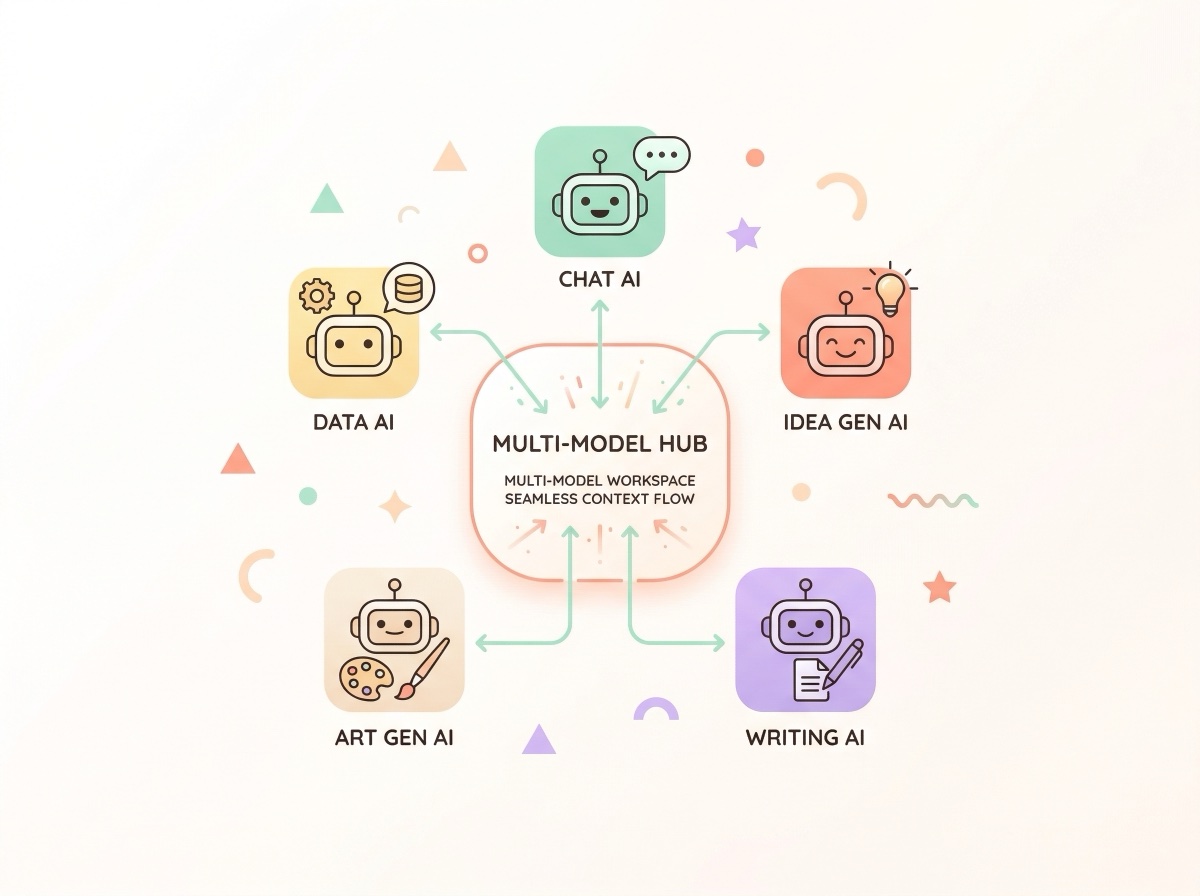
This is exactly what the Board feature in YouMind does. You can save research materials, project documents, and personal preference descriptions to a Board. Whether you then chat with GPT, Claude, Gemini, or Kimi, these contexts are always available. YouMind supports multiple models like GPT, Claude, Gemini, Kimi, and Minimax, so you don't need to "move house" just to switch models, because your knowledge base remains in your hands.
Consider a specific scenario: You are a content creator who uses Claude for long-form writing, GPT for brainstorming, and Gemini for data analysis. In YouMind, you can store your writing style guide, brand tone documents, and past articles in a Board. You can then switch between different models in the same workspace, and each model can read the same context. This is far more efficient than maintaining three separate sets of memories across three platforms.
Of course, YouMind is not positioned to replace the native memory functions of Claude or ChatGPT, but rather to exist as an "upper-level knowledge management layer." For light users, Claude's Memory Import is sufficient. But if you are a heavy multi-model user or your workflow involves massive research materials and project documents, a knowledge management system independent of any AI platform is a more robust choice.
Claude vs ChatGPT: How to Choose in 2026
The emergence of the memory migration feature makes the question of "whether to switch from ChatGPT to Claude" much more practical. Here is a comparison of the core differences as of March 2026:
Dimension | ChatGPT | Claude |
|---|---|---|
Weekly Active Users | 900 Million+ | 11 Million Daily Actives (Growing fast) |
Memory Function | Native memory, auto-learning | Native memory + Memory Import |
Free Version Capability | Limited GPT-4o quota, includes ads | Claude Sonnet free, no ads |
Coding Ability | Strong, especially multi-language support | Extremely strong, higher ratings from devs |
Long-form Writing | Moderate, prone to "laziness" | Strong, 200K context window |
Image Generation | Built-in ChatGPT Image | No native image generation |
Privacy Stance | Uses user data for training by default | Encrypted memory, not used for training |
Ecosystem | Mature GPTs, Plugins, API ecosystem | Projects, Artifacts, API catching up fast |
A practical suggestion: you don't have to make an "either-or" choice. ChatGPT still has advantages in multi-modality (images, voice) and ecosystem richness, while Claude performs better in long-form writing, coding assistance, and privacy protection. The most efficient way is to choose the most suitable model based on the task type, rather than betting all your work on one platform.
If you want to use multiple models simultaneously without repeatedly switching platforms, YouMind provides a unified entry point. Calling different models in the same interface, combined with context materials stored in Boards, can significantly reduce the time cost of repetitive communication.
FAQ
Q: Is Claude memory migration free?
A: Yes. Anthropic extended the memory feature to free users in March 2026. You do not need a paid subscription to use the Memory Import feature. Previously, memory was limited to paid users (since October 2025), but its availability in the free version has greatly lowered the barrier to migration.
Q: Will I lose my conversation history when migrating from ChatGPT to Claude?
A: Yes. Memory Import migrates the "memory summary" stored by ChatGPT (your preferences, identity, project background, etc.), not the full conversation logs. If you need to keep your chat history, you can export it separately via ChatGPT's Settings → Data Controls → Export Data, but Claude currently has no feature to import full conversations.
Q: Which platforms does Claude's memory migration support?
A: It currently supports importing from ChatGPT, Google Gemini, and Microsoft Copilot. In theory, any AI platform that can understand Anthropic's preset prompt and output a structured memory summary can serve as a source. Google is also testing a similar "Import AI Chats" feature, but it currently only moves chat logs, not memories.
Q: How long does it take for Claude to "remember" imported content after migration?
A: Most memories take effect immediately, but Anthropic states that full memory integration may take up to 24 hours. This is because Claude's memory system uses daily synthesis cycles to process updates rather than real-time writing. After importing, you can directly ask Claude "What do you remember about me?" to verify the migration.
Q: If I use multiple AI tools, how do I manage memories across different platforms?
A: Currently, the memory systems of various platforms are not interconnected, requiring manual migration for every switch. A more efficient solution is to use an independent knowledge management tool (like YouMind) to centrally store your preferences and context, providing them to any AI model as needed to avoid redundant maintenance across platforms.
Summary
The launch of Claude Memory Import marks a significant turning point in the AI industry: a user's personalized context is no longer a bargaining chip for platform lock-in, but a freely flowing digital asset. For users considering switching AI assistants, the 60-second migration process removes almost the biggest psychological barrier.
Three core points are worth remembering. First, while memory migration isn't perfect, it is practical enough, especially for long-time ChatGPT users who want to quickly experience Claude. Second, AI memory portability is becoming an industry standard, and we will see more platforms supporting similar features in the future. Third, rather than relying on any single platform's memory system, building your own controllable knowledge management system is the long-term strategy for dealing with the rapid iteration of AI tools.
Want to start building your own multi-model knowledge workflow? You can try YouMind for free to centrally manage your research materials and project contexts, switching freely between GPT, Claude, and Gemini without ever worrying about "moving house" again.
References
[1] How to switch to Claude AI: Importing memories and preferences is easy
[2] Claude now supports importing memories from any AI provider
[3] Leaving ChatGPT for Claude? Here’s the trick to taking your AI memory with you
[4] Anthropic’s Claude overtakes ChatGPT in the App Store
[5] #QuitGPT: How to switch to Claude and get free credits
[6] Charts show Claude beating ChatGPT in the app download race
[7] Anthropic’s Claude overtakes ChatGPT as number one in the App Store
[8] How I moved 3 years of ChatGPT memory/context over to Claude (Step-by-step tutorial)
この記事について質問がありますか?
AIに無料で質問する関連記事
GPT Image 2 リーク実機テスト:ブラインドテストで Nano Banana Pro を超えた?
TL; DR 要点まとめ 2026 年 4 月 4 日、独立開発者の Pieter Levels 氏( @levelsio)が X 上でいち早く情報を公開しました。Arena ブラインドテストプラットフォームに、maskingtape-alpha、gaffertape-alpha、packingtape-alpha というコードネームの 3 つの謎めいた画像生成モデルが登場したのです。 これら 3 つの名前はホームセンターのテープ売り場のようですが、生成された画像の品質は AI コミュニティ全体を騒然とさせました。 この記事は、AI 画像生成分野の最新動向に注目しているクリエイター、デザイナー、技術愛好家の方に向いています。もしあなたが Nano Banana Pro や GPT Image 1.5 を使ったことがあるなら、この記事は次世代モデルの真の実力を素早く把握するのに役立つでしょう。 Reddit の r/singularity サブレディットでの議論スレッドは、24 時間以内に 366 票と 200 件以上のコメントを集めました。ユーザーの ThunderBeanage 氏は、「私のテストによれば、このモデルは間違いなく驚異的で、Nano Banana を遥かに凌駕している」と投稿しました。 さらに重要な手がかりとして、ユーザーがモデルの正体を直接尋ねたところ、OpenAI 出身であると自称したことが挙げられます。 画像出典: @levelsio 氏が最初にリークした GPT Image 2 の Arena ブラインドテストのスクリーンショット AI
ジェンスン・フアンが「AGI は実現した」と宣言:その真相、論争、そして深層解説
TL; DR コアポイント 2026 年 3 月 23 日、ソーシャルメディアにあるニュースが駆け巡りました。NVIDIA の CEO であるジェンスン・フアン氏が Lex Fridman のポッドキャストで、「I think we‘ve achieved AGI.(AGI はすでに達成されたと思う)」と発言したのです。Polymarket が投稿したこのツイートは 1.6 万以上のいいねと 470 万回以上のインプレッションを獲得し、The Verge、Forbes、Mashable などの主要テックメディアが数時間以内に一斉に報じました。 この記事は、技術者、投資家、あるいは人工知能に好奇心を持つ一般の方など、AI の発展トレンドに注目しているすべての読者に適しています。この声明のコンテキストを完全に復元し、AGI 定義の「言葉遊び」を解体し、それが AI 業界全体にとって何を意味するのかを分析します。 しかし、もしタイトルだけを見て結論を出してしまうなら、この物語の中で最も重要な部分を見逃すことになるでしょう。 フアン氏のこの言葉の重みを理解するには、まずその前提条件を見極める必要があります。 ポッドキャストのホストである Lex Fridman は、非常に具体的な AGI の定義を提示しました。それは、AI システムが「あなたの仕事をする」、つまり 10 億ドル以上の価値があるテック企業を創設・発展・運営できるかというものです。彼はフアン氏に、そのような AGI の実現まであとどれくらいか、5 年、10 年、それとも 20 年かと尋ねました。フアン氏の回答は「I think it‘s now.(今だと思う)」でした。 Mashable の詳細な分析は、ある重要なディテールを指摘しています。フアン氏は Fridman に対し、「You said a billion, and you didn‘t say forever.(君は 10 億と言ったが、永遠に維持するとは言わなかった)」と語りました。言い換えれば、フアン氏の解釈では、AI がバイラルなアプリを作り、短期間で 10 億ドルを稼いでから倒産したとしても、それは「AGI の達成」と見なされるのです。 彼が挙げた例は、オープンソースの AI Agent プラットフォームである OpenClaw です。フアン氏は、AI がシンプルなウェブサービスを作成し、数十億人がそれぞれ 50 セントを支払って利用し、その後そのサービスが静かに消えていくというシナリオを想定しました。彼はドットコムバブル時代のウェブサイトを例に挙げ、当時のサイトの複雑さは今日の AI Agent が生成できるものと大差ないと述べました。 そして、彼は多くの釣りタイトルで見落とされているあの一言を放ちました。「The odds of 100,000 of those agents building NVIDIA is zero percent.(10 万体のそのような Agent が NVIDIA を作り上げる確率はゼロだ)」 これは単なる小さな補足ではありません。Mashable が評したように、「That‘s not a small caveat. It’s the whole ballgame.(これは小さな但し書きではない。これこそが問題の核心だ)」なのです。 「AGI は達成された」と宣言したテックリーダーは、フアン氏が初めてではありません。この声明を理解するには、業界のより大きなナラティブの中に置く必要があります。 2023 年、フアン氏はニューヨーク・タイムズの DealBook サミットで、異なる AGI の定義を提示していました。それは「人間レベルの知能テストに妥当な競争力を持って合格できるソフトウェア」というものでした。当時、彼は AI が 5 年以内にこの基準に達すると予測していました。 2025 年 12 月、OpenAI の CEO である Sam Altman 氏は「we built AGIs(我々は AGI を作った)」と述べ、「AGI kinda went whooshing by(AGI はいつの間にか通り過ぎていったようだ)」と語りました。社会的影響は予想よりもはるかに小さかったとし、業界は「超知能(Superintelligence)」の定義に移行すべきだと提案しました。 2026 年 2 月、Altman 氏は再び Forbes に対し、「We basically have built AGI, or very close to it.(我々は基本的に AGI を作り上げたか、それに非常に近い状態だ)」と語りました。しかし彼はその後、これは「精神的なレベル」の表現であり、文字通りの意味ではないと付け加え、AGI にはまだ「多くの中規模なブレイクスルー」が必要であると指摘しました。 パターンが見えてきたでしょうか?「AGI は達成された」という声明が出るたびに、定義が密かにダウングレードされているのです。 OpenAI の設立憲章では、AGI を「経済的に価値のあるほとんどの仕事において人間を凌駕する、高度に自律的なシステム」と定義しています。この定義が重要なのは、OpenAI と Microsoft の契約に AGI 発動条項が含まれているためです。AGI の達成が認定されると、Microsoft による OpenAI 技術の使用権限に重大な変化が生じます。Reuters の報道によると、新契約では独立した専門家パネルが AGI の達成を検証する必要があり、Microsoft は 27% の株式を保持し、2032 年まで一部の技術使用権を享受すると規定されています。 数百億ドルの利益が曖昧な用語に紐付けられているとき、「誰が AGI を定義するか」はもはや学術的な問題ではなく、ビジネス上の駆け引きとなります。 テックメディアの報道が比較的抑制的である一方で、ソーシャルメディア上の反応は対照的なスペクトラムを見せています。 Reddit の r/singularity、r/technology、r/BetterOffline コミュニティでは、瞬く間に大量のディスカッションスレッドが立ち上がりました。ある r/singularity ユーザーのコメントは多くの賛同を得ました。「AGI is not just an ‘AI system that can do your job’。 It‘s literally in the name: Artificial GENERAL Intelligence.(AGI は単に『あなたの仕事ができる AI システム』ではない。その名の通り、汎用(GENERAL)知能なのだ)」 r/technology では、AI Agent を構築してデスクトップタスクを自動化しているという開発者がこう書き込みました。「We are nowhere near AGI. Current models are great at structured reasoning but still can‘t handle the kind of open-ended problem solving a junior dev does instinctively. Jensen is selling GPUs though, so the optimism makes sense.(我々は AGI には程遠い。現在のモデルは構造化された推論には優れているが、ジュニア開発者が直感的に解決するようなオープンエンドな問題解決はまだできない。もっとも、ジェンスンは GPU を売っているのだから、その楽観主義も納得だが)」 Twitter/X 上の中国語圏の議論も活発です。ユーザー @DefiQ7 は詳細な解説スレッドを投稿し、AGI と現在の「特化型 AI」(ChatGPT や 文心一言 など)を明確に区別し、広く拡散されました。投稿では「これはテック界の核爆弾級のニュースだ」としつつも、AGI は「領域横断、自律学習、推論、計画、未知のシナリオへの適応」を意味するものであり、現在の AI の能力範囲ではないと強調しました。 r/BetterOffline での議論はさらに辛辣です。あるユーザーは「Which is higher? The number of times Trump has achieved ‘total victory’ in Iran, or the number of times Jensen Huang has achieved ‘AGI’?(どちらの数が多いだろうか?トランプがイランで『完全勝利』を収めた回数か、ジェンスン・フアンが『AGI を達成』した回数か?)」とコメントしました。別のユーザーは、アカデミックな世界で長年存在している問題を指摘しました。「This has been a problem with Artificial Intelligence as an academic field since its very inception.(これは人工知能という学術分野が誕生した当初からの問題だ)」 テック大手が変化させ続ける AGI の定義に直面したとき、一般人は AI が一体どこまで発展したのかをどう判断すべきでしょうか?以下に実用的な思考フレームワークを提案します。 ステップ 1:「能力の誇示」と「汎用知能」を区別する。 現在の最先端 AI モデルは、確かに多くの特定のタスクにおいて驚異的なパフォーマンスを見せています。GPT-5.4 は流暢な文章を書き、AI Agent は複雑なワークフローを自動実行できます。しかし、「特定のタスクで優れている」ことと「汎用知能を備えている」ことの間には、巨大な溝があります。チェスで世界チャンピオンを破る AI が、「テーブルの上のコップを渡して」という単純なことさえできない場合があるのです。 ステップ 2:タイトルではなく、限定詞に注目する。 フアン氏が言ったのは「I think(思う)」であり、「We have proven(証明した)」ではありません。Altman 氏が言ったのは「spiritual(精神的な)」であり、「literal(文字通りの)」ではありません。これらの限定詞は謙遜ではなく、正確な法的・広報的戦略です。数百億ドルの契約条項が絡む場合、すべての言葉遣いは慎重に吟味されています。 ステップ 3:宣言ではなく、行動を見る。 NVIDIA は GTC 2026 で 7 つの新しいチップを発表し、DLSS 5、OpenClaw プラットフォーム、NemoClaw エンタープライズ級 Agent スタックをリリースしました。これらはすべて確かな技術的進歩です。しかし、フアン氏は講演の中で「推論(inference)」に 40 回近く言及したのに対し、「学習(training)」には 10 回余りしか触れませんでした。これは業界の重心が「より賢い AI を作ること」から「AI に効率よくタスクを実行させること」へと移っていることを示しています。これはエンジニアリングの進歩であり、知能の突破ではありません。 ステップ 4:独自の情報追跡体系を構築する。 AI 業界の情報密度は極めて高く、毎週のように重大な発表や声明が出されます。釣りタイトルのニュース配信だけに頼っていると、簡単に流されてしまいます。一次情報源(企業の公式ブログ、学術論文、ポッドキャストの原文など)を定期的に読む習慣をつけ、ツールを使って体系的に保存・整理することをお勧めします。例えば、 の Board 機能を使って重要な情報源を保存し、いつでも AI に質問したりクロスリファレンスを行ったりすることで、単一のナラティブに惑わされるのを防ぐことができます。 Q: ジェンスン・フアン氏の言う AGI と OpenAI が定義する AGI は同じものですか? A: いいえ、違います。フアン氏は Lex Fridman が提示した狭義の定義(AI が 10 億ドル規模の企業を創設できるか)に基づいて回答していますが、OpenAI 憲章における AGI の定義は「経済的に価値のあるほとんどの仕事において人間を凌駕する、高度に自律的なシステム」です。両者の基準には大きな隔たりがあり、後者が要求する能力範囲は前者をはるかに上回ります。 Q: 現在の AI は本当に独立して会社を運営できるのですか? A: 現時点では不可能です。フアン氏自身も、AI Agent が短期間で爆発的にヒットするアプリを作る可能性はあっても、「NVIDIA を作り上げる確率はゼロだ」と認めています。現在の AI は構造化されたタスクの実行には長けていますが、長期的な戦略判断、領域を跨いだ調整、未知の状況への対応が必要なシーンでは、依然として人間の指導に強く依存しています。 Q: AGI の実現は一般人の仕事にどのような影響を与えますか? A: 最も楽観的な定義に従ったとしても、現在の AI の影響は主に特定のタスクの効率向上に現れており、人間の仕事を全面的に代替するものではありません。Sam Altman 氏も 2025 年末に、AGI の「社会への影響は予想よりもはるかに小さい」と認めています。短期的には、AI は仕事を直接奪うのではなく、強力な補助ツールとして働き方を変える可能性が高いでしょう。 Q: なぜテック企業の CEO たちは AGI の達成を急いで宣言したがるのですか? A: 理由は多岐にわたります。NVIDIA の中核事業は AI 演算用チップの販売であり、AGI のナラティブは AI インフラへの投資熱を維持するのに役立ちます。OpenAI と Microsoft の契約には AGI 発動条項が含まれており、AGI の定義は数百億ドルの利益配分に直結します。また、資本市場において「AGI の到来」というナラティブは、AI 企業の高い時価総額を支える重要な柱となっています。 Q: 中国の AI 開発は AGI まであとどれくらいですか? A: 中国は AI 分野で顕著な進展を遂げています。2025 年 6 月時点で、中国の生成 AI ユーザー規模は 5.15 億人に達し、DeepSeek や 通義千問 などの大規模モデルは多くの評価テストで優れた成績を収めています。しかし、AGI は世界共通の技術的課題であり、現時点で世界的に学術界から広く認められた AGI システムは存在しません。中国の AI 産業は 2025 年から 2035 年にかけて年平均成長率 30.6% 〜 47.1% と予測されており、強力な発展の勢いを見せています。 フアン氏の「AGI は達成された」という声明は、本質的には極めて狭義の定義に基づいた楽観的な意思表示であり、検証された技術的マイルストーンではありません。彼自身も、現在の AI Agent が真に複雑な企業を構築するにはまだ天と地ほどの差があることを認めています。 AGI の定義が繰り返される「ムービング・ゴールポスト」現象は、テック業界における技術的ナラティブとビジネス的利益の間の微妙な駆け引きを浮き彫りにしています。OpenAI から NVIDIA に至るまで、「我々は AGI を達成した」という声明が出るたびに、定義の基準は密かに引き下げられています。情報の消費者として必要なのは、タイトルを追いかけることではなく、自分自身の判断枠組みを構築することです。 AI 技術が急速に進歩していることは疑いようのない事実です。GTC 2026 で発表された新しいチップ、Agent プラットフォーム、推論最適化技術は、すべて確かなエンジニアリングの突破口です。しかし、これらの進歩を「AGI の達成」としてパッケージ化することは、科学的な結論というよりも、市場向けのナラティブ戦略と言えるでしょう。好奇心を持ち続け、批判的視点を失わず、一次情報源を追い続けることこそが、この AI 加速時代に情報の奔流に飲み込まれないための最善の戦略です。 AI 業界の動向を体系的に追跡したいですか? を試してみてください。重要な情報源を個人のナレッジベースに保存し、AI を使って整理、質問、クロスリファレンスを行うことができます。 [1] [2] [3] [4] [5] [6]
AI 仮想インフルエンサーの台頭:クリエイターが知っておくべきトレンドとチャンス
TL; DR コアポイント 2026 年 3 月 21 日、Elon Musk は X(旧 Twitter)にわずか 8 単語のツイートを投稿しました。「AI bots will be more human than human(AI ボットは人間よりも人間らしくなるだろう)」。このツイートは 72 時間以内に 6,200 万回以上のインプレッションと 58 万件のいいねを獲得しました。彼は、AI が生成した「完璧なインフルエンサーの顔」の画像に反応してこの言葉を綴ったのです。 これは SF の予言ではありません。もしあなたがコンテンツクリエイター、ブロガー、あるいはソーシャルメディア運用者なら、タイムラインですでに「完璧すぎる」顔を見かけ、それが実在の人物なのか AI なのか判別がつかなかった経験があるはずです。この記事では、AI 仮想インフルエンサーの真の現状、トップ層の収入データ、そして人間のクリエイターとしてこの変革にどう立ち向かうべきかを解説します。 この記事は、コンテンツクリエイター、ソーシャルメディア運用者、ブランドマーケター、そして AI トレンドに関心のあるすべての読者に適しています。 まずは、思わず身を乗り出してしまうような数字を見てみましょう。 世界の仮想インフルエンサー市場規模は 2024 年に 60.6 億ドルに達し、2025 年には 83 億ドルに成長すると予測されており、年成長率は 37% を超えています。Straits Research の予測によれば、2033 年までにこの数字は 1,117.8 億ドルまで跳ね上がるとされています。 同時に、インフルエンサーマーケティング業界全体も 2025 年には 325.5 億ドルに達し、2026 年には 400 億ドルの大台を突破する見込みです。 個別の事例に目を向けると、代表的な 2 つのケースが非常に示唆に富んでいます。 Lil Miquela は、誰もが認める「初代 AI インフルエンサー」です。2016 年に誕生したこの仮想キャラクターは、Instagram で 240 万人以上のフォロワーを抱え、Prada、Calvin Klein、Samsung などのブランドと提携しています。彼女のチーム(Dapper Labs 傘下)はブランド投稿 1 件につき数万ドルを請求しており、Fanvue プラットフォームのサブスクリプション収入だけで月 4 万ドル、ブランド提携を含めると月収は 10 万ドルを超えます。推定では、2016 年以来の平均年収は約 200 万ドルに上ります。 Aitana López は、「個人起業家でも AI インフルエンサーになれる」可能性を示しています。スペインのクリエイティブエージェンシー The Clueless が制作したこのピンクの髪の仮想モデルは、Instagram で 37 万人以上のフォロワーを持ち、月収は 3,000 から 10,000 ユーロの間です。彼女が誕生した理由は非常に現実的です。創設者の Rubén Cruz は、人間のモデルの不可抗力(遅刻、キャンセル、スケジュールの競合)に嫌気がさし、「絶対にドタキャンしないインフルエンサーを作ろう」と決めたのです。 PR 大手の Ogilvy による 2024 年の予測は、業界に衝撃を与えました。2026 年までに、AI 仮想インフルエンサーがインフルエンサーマーケティング予算の 30% を占めるようになると予測したのです。 英米のシニアマーケター 1,000 人を対象とした調査では、回答者の 79% が AI 生成コンテンツクリエイターへの投資を増やしていると回答しています。 ブランド側のロジックを理解することで、この変革の根底にある動機が見えてきます。 リスクゼロ、完全なコントロール。 人間のインフルエンサーにおける最大のリスクは「不祥事(炎上)」です。不適切な発言やプライベートのスキャンダル一つで、ブランドが投じた数百万ドルの投資が水の泡になる可能性があります。仮想インフルエンサーにその心配はありません。彼女たちは疲れることも、老いることもなく、午前 3 時に広報チームをパニックに陥れるようなツイートをすることもありません。The Clueless の創設者 Rubén Cruz が語るように、「多くのプロジェクトがインフルエンサー本人の問題で保留や中止になります。これはデザインのミスではなく、人間の不可制御性によるものです」。 24 時間体制のコンテンツ制作。 仮想インフルエンサーは毎日投稿し、リアルタイムでトレンドを追い、あらゆるシーンに「登場」させることができます。しかも、そのコストは実写撮影よりもはるかに低く抑えられます。BeyondGames の試算によると、Lil Miquela が Instagram で毎日 1 件投稿した場合、2026 年の潜在的な収入は 470 万ポンドに達する可能性があります。 この生産効率は、いかなる人間のクリエイターも太刀打ちできません。 精密なブランドの一貫性。 Prada と Lil Miquela の提携は、通常のマーケティングキャンペーンよりも 30% 高いエンゲージメント率を記録しました。 仮想インフルエンサーの表情、服装、コピーの一つひとつを精密に設計できるため、ブランドのトーン&マナーとの完璧な一致を保証できます。 しかし、物事には常に裏表があります。Business Insider の 2026 年 3 月の報道によれば、AI アカウントに対する消費者の反感が高まっており、一部のブランドは AI インフルエンサー戦略から撤退し始めています。YouGov の調査では、回答者の 3 分の 1 以上が AI 技術に対して懸念を抱いていることが示されました。 これは、仮想インフルエンサーが万能薬ではなく、「真実味(オーセンティシティ)」が依然として消費者にとって重要な判断基準であることを意味しています。 AI 仮想インフルエンサーの台頭を前に、パニックになっても意味はありません。価値があるのは行動です。以下に、実証済みの 4 つの対応戦略を挙げます。 戦略 1:リアルな体験を深掘りし、AI にできないことをする。 AI は完璧な顔を生成できますが、一杯のコーヒーを実際に味わったり、ハイキングの疲れと達成感を肌で感じたりすることはできません。Reddit の r/Futurology での議論では、あるユーザーの意見が多くの賛同を得ました。「AI インフルエンサーは物を売ることはできるが、人々は依然として本物のつながりを求めている」。 あなたのリアルな生活体験、独自の視点、そして「不完全な瞬間」をコンテンツの防壁にしましょう。 戦略 2:AI と戦うのではなく、AI ツールで自分を武装する。 賢いクリエイターはすでに AI を使って効率を高めています。Reddit では、ChatGPT で脚本を書き、ElevenLabs でナレーションを生成し、HeyGen で動画を作成するという一連のワークフローを共有しているクリエイターもいます。 あなた自身が AI インフルエンサーになる必要はありませんが、AI を創作の助手にする必要はあります。 戦略 3:業界トレンドを体系的に追跡し、情報の優位性を築く。 AI インフルエンサー分野の変化は非常に速く、毎週新しいツール、事例、データが登場します。Twitter や Reddit を断片的に眺めるだけでは不十分です。 を使えば、あちこちに散らばった業界情報を体系的に管理できます。重要な記事、ツイート、調査レポートを Board に保存し、AI で自動整理・検索できるようにしましょう。自分の素材ライブラリに「2026 年の仮想インフルエンサー分野における最大の資金調達 3 件は?」と質問するだけで答えが得られます。業界分析を書いたり動画を撮ったりする際、素材はすでに揃っており、ゼロから検索する必要はありません。 戦略 4:人間と AI の協働コンテンツモデルを模索する。 未来は「人間 vs AI」のゼロサムゲームではなく、「人間 + AI」の共生です。ビジュアル素材は AI で生成しつつ、人間の声と視点で魂を吹き込むことができます。 の分析によれば、AI インフルエンサーは実験的で境界を打ち破るコンセプトに適しており、人間のインフルエンサーは深い視聴者とのつながり構築やブランド価値の定着において、依然として代替不可能な存在です。 AI 仮想インフルエンサーのトレンドを追う上での最大の課題は、情報が少ないことではなく、多すぎて分散していることです。 典型的なシーンを想像してみてください。X でマスク氏のツイートを見かけ、Reddit で AI インフルエンサーの収益分析を読み、Business Insider でブランド撤退の深掘り記事を発見し、YouTube で制作チュートリアルが流れてくる。これらの情報は 4 つのプラットフォーム、5 つのブラウザタブに分散しています。3 日後に記事を書こうとしたときには、あの重要なデータがどこにあったか分からなくなっています。 これこそが が解決する問題です。 を使えば、あらゆるウェブページ、ツイート、YouTube 動画をワンクリックで専用の Board に保存できます。AI が自動的に重要情報を抽出し、インデックスを作成するため、いつでも自然言語で検索や質問が可能です。例えば「AI 仮想インフルエンサー研究」Board を作成し、関連素材を一括管理すれば、アウトプットが必要な時に Board に直接聞くだけです。「Aitana López のビジネスモデルは?」や「どのブランドが AI インフルエンサー戦略から撤退し始めた?」といった問いに対し、元のソースへのリンクと共に回答が提示されます。 なお、YouMind の強みは情報の統合とリサーチの補助にあり、AI インフルエンサーを生成するツールではありません。仮想キャラクターのビジュアルを制作したい場合は、引き続き Midjourney、Stable Diffusion、HeyGen などの専門ツールが必要です。しかし、「トレンドを研究し → 素材を蓄積し → コンテンツを制作する」というクリエイターの核心的なワークフローにおいて、 はインスピレーションから完成品までの距離を劇的に短縮します。 Q: AI 仮想インフルエンサーは人間のインフルエンサーを完全に置き換えますか? A: 短期的にはありません。仮想インフルエンサーはブランドの制御性や制作効率に優れていますが、消費者の「真実味」への欲求は依然として強力です。Business Insider の 2026 年の報道では、消費者の反感により一部のブランドが AI インフルエンサーへの投資を減らし始めていることが示されています。両者は代替関係ではなく、補完関係になる可能性が高いでしょう。 Q: 一般人でも自分の AI 仮想インフルエンサーを作れますか? A: はい、可能です。Reddit では多くのクリエイターがゼロからの経験を共有しています。よく使われるツールには、一貫したビジュアルを生成する Midjourney や Stable Diffusion、コピーを書く ChatGPT、音声を生成する ElevenLabs などがあります。初期投資は低く抑えられますが、目に見える成長を得るには 3 〜 6 ヶ月の継続的な運用が必要です。 Q: AI 仮想インフルエンサーの収入源は何ですか? A: 主に 3 つあります。ブランドのスポンサー投稿(トップ層は 1 投稿につき数千から数万ドル)、サブスクリプションプラットフォーム(Fanvue など)の収入、そして関連グッズや音楽の著作権です。Lil Miquela はサブスクリプション収入だけで月平均 4 万ドルに達し、ブランド提携収入はそれ以上です。 Q: 中国の AI 仮想アイドル市場の現状はどうですか? A: 中国は世界で最も仮想アイドル開発が活発な市場の一つです。業界予測では、中国の仮想インフルエンサー市場は 2030 年までに 2,700 億元に達するとされています。初音ミクや洛天依(ルォ・ティエンイー)から、超写実的な仮想アイドルまで、中国市場はすでに複数の発展段階を経ており、現在は AI 駆動のリアルタイム対話の方向へと進化しています。 Q: ブランドが仮想インフルエンサーとの提携を選ぶ際の注意点は? A: 重要なのは 3 点の評価です。ターゲット層の仮想キャラクターに対する受容性、プラットフォームの AI コンテンツ開示ポリシー(TikTok や Instagram は規制を強化しています)、そして仮想インフルエンサーとブランドイメージの適合性です。まずは少額の予算でテストし、データに基づいて投資を拡大するか判断することをお勧めします。 AI 仮想インフルエンサーの台頭は遠い未来の予言ではなく、今まさに起きている現実です。市場データは、仮想インフルエンサーの商業的価値がすでに証明されていることを明確に示しています。Lil Miquela の年収 200 万ドルから Aitana López の月収 1 万ユーロまで、これらの数字を無視することはできません。 しかし、人間のクリエイターにとって、これは「取って代わられる」物語ではなく、「再定義」のチャンスです。あなたのリアルな体験、独自の視点、そして視聴者との感情的なつながりは、AI には複製できない核心的な資産です。重要なのは、AI ツールで効率を高め、体系的な方法でトレンドを追い、真実味をもって代替不可能な競争の壁を築くことです。 AI インフルエンサーのトレンドを体系的に追跡し、創作素材を蓄積したいですか? であなた専用のリサーチスペースを構築し、無料で始めてみましょう。 [1] [2] [3] [4] [5] [6] [7] [8] [9] [10] [11]